
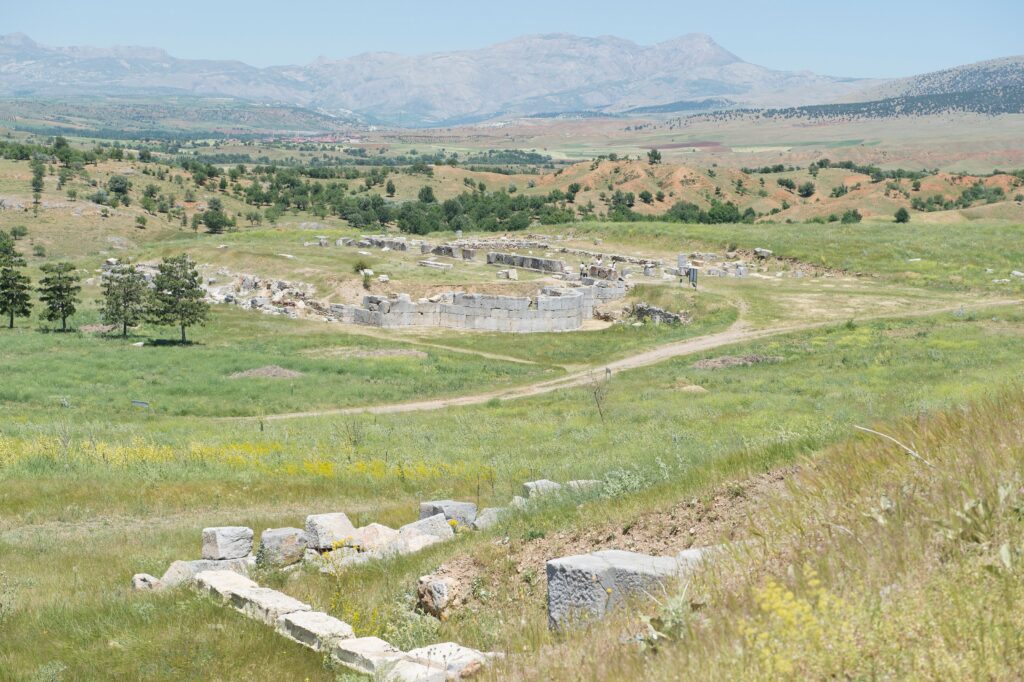
The Saint Paul Trail is a marked walking route of about 500 km through the Taurus Mountains of southern Turkey. It follows part of the way that Paul and Barnabas went from Perga up to Antioch in Pisidia on their first journey in Anatolia (Acts 13:13-14).
Add Tours Around Turkey as a preferred source on Google
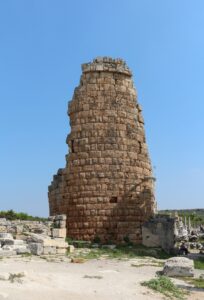
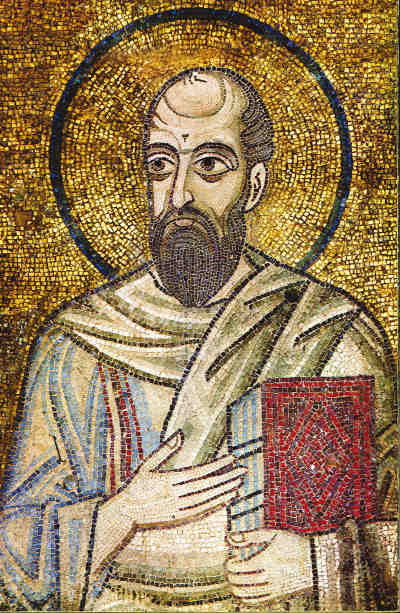
In our country, especially long-distance trekking routes and trails have attracted a lot of attention lately. The long journey of Saint Paul, one of the most important names in the Christian world, to spread Christianity in Anatolia, took place on this route.
The world-famous Lycian Way has stages that make it almost impossible to walk due to crowds in certain seasons. Although Apostle Paul’s Trail does not seem as popular as the Lycian Way, it is one of the walking routes known by professional or amateur nature athletes and travel lovers, and where local and foreign adventure lovers go around.
Where Does the Saint Paul Trail Run?
Saint Paul Trail, where St. Paul, one of the saints who spent his life on the road to spread Christianity, carried out a certain part of his journey on this route. Trails of Apostle Paul follows the wonderful paths stretching in the extraordinary attractiveness of the Taurus Mountain Range between Antalya and Isparta.
Apostle Paul’s Trail is a marked trekking route that spans 500 km and takes up to 27 days to walk! Passing through Roman roads, narrow footpaths, and forest roads. Saint Paul Road has another branch starting from Beşkonak at the entrance of Köprülü Canyon National Park, 80 km northeast of Antalya, and the first route joins with this secondary trail at the Ancient City of Adada. St. Paul’s Road has areas suitable not only for hiking but also for mountain biking. St. Paul’s Way, which starts from sea level and climbs up to 2200 meters, is a wilder route compared to the Lycian Way.
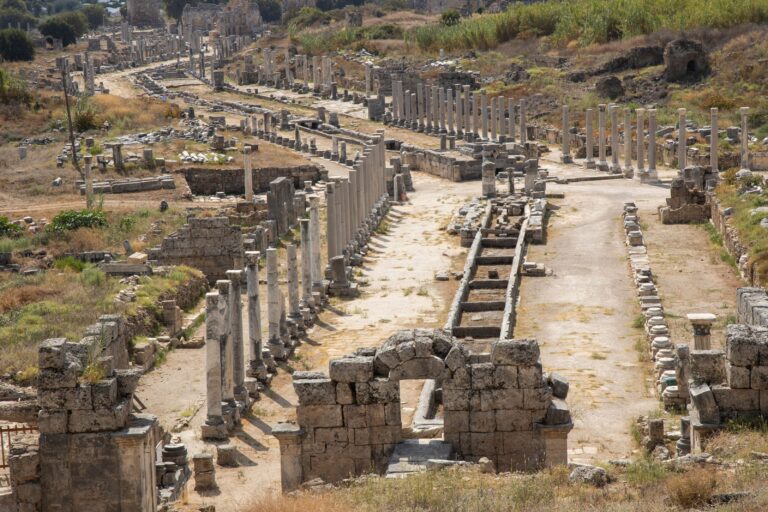
Walkers start among the ruins of Perge, with its round gate towers and colonnaded street, then leave coastal plain and climb into the pine forests of the Taurus. Köprülü Canyon National Park has the Roman bridge called Oluk and the ruins of Selge, a mountain city of Roman times.
Some of the old road still survives in the mountains. The Roman road called Via Sebaste was finished in 6 BC and linked Antioch in Pisidia with Perge over the Taurus. Remains and a few milestones can be seen there. Paul may have used it, nobody can say for sure.
In the middle you reach Adada, a hill city of Roman Pisidia near the village of Sağrak, with temples of the emperors and a stairway going up from the agora. After that the trail comes to Lake Eğirdir, a freshwater lake about 900 meters above sea level, and goes on toward Yalvaç.
The end is Yalvaç, beside the ruins of Antioch in Pisidia. It was a Roman colony of Augustus, and you can see its theater, parts of the aqueduct and the Great Basilica, also called the Church of Saint Paul. Between the old cities you mostly meet forest, mountain villages and long hours without another walker.
How to Plan a Walk on the Saint Paul Trail
You can complete this rigorous nature hike, in which you need to plan your program over at least 15 days in order to walk in full, or you can complete the shorter stages by spreading them over several weeks in the form of weekend walks.
The St.Paul road is a walking route decorated with extraordinary natural beauties, which stretches from the blue of the Mediterranean to Anatolia by following the Taurus Mountains and contains a history on the route. I would like to state that the best months to walk the Saint Paul Route are spring.
You can find route details and self-guided maps on websites like trekking in Turkey, WikiLoc, or Via Eurasia.
Frequently Asked Questions
Is the Saint Paul Trail a pilgrimage route?
It is a hiking trail first. Many Christian walkers choose it because Paul preached at the far end, in Antioch in Pisidia (Acts 13:14-16), but nobody knows the exact road he took.
Is the Saint Paul Trail the same as the Lycian Way?
No. The Lycian Way runs along the coast of ancient Lycia between Fethiye and Antalya, while the Saint Paul Trail goes inland across the Taurus Mountains. My post on cultural routes in Anatolia lists both.
How is the Saint Paul Trail marked?
With red and white stripes, the same system as the French GR long-distance paths. Look for them at forks, and still carry a map or GPS track with you.
Hire Tour Guide for Saint Paul Trail in Turkey
Apostle Paul’s journeys have always been interesting for me. It is inspiring to learn about this man who left all his comforts behind and took all these hardships to spread his faith. Contact me to learn more about the Saint Paul Trail and the story of Saint Paul in Turkey. See you soon, Hasan Gülday.

1 comment