Epictetus was a Stoic philosopher who was born a slave in Hierapolis, today’s Pamukkale, and became one of the best known teachers of the Roman world. He wrote nothing himself, and a student wrote down his lectures. His main idea was simple: we cannot control what happens, only how we judge it.
| Born | Hierapolis in Phrygia, today part of Pamukkale in Denizli Province |
|---|---|
| Taught in | Rome, then Nicopolis in Greece |
| Philosophy | Stoicism |
| Student | Arrian, who wrote down his lectures |
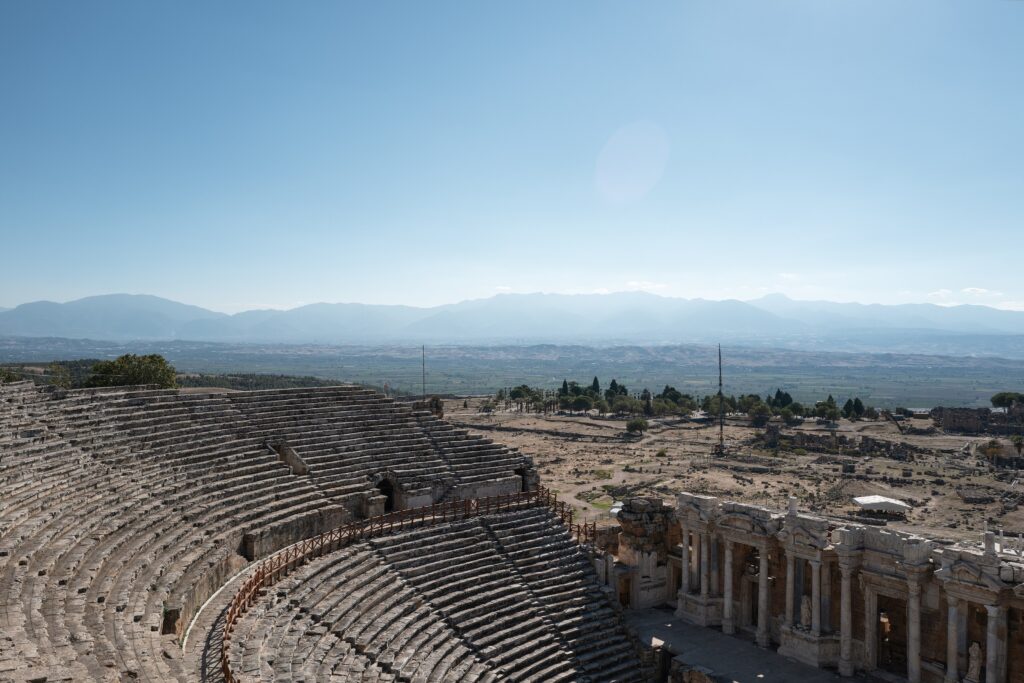
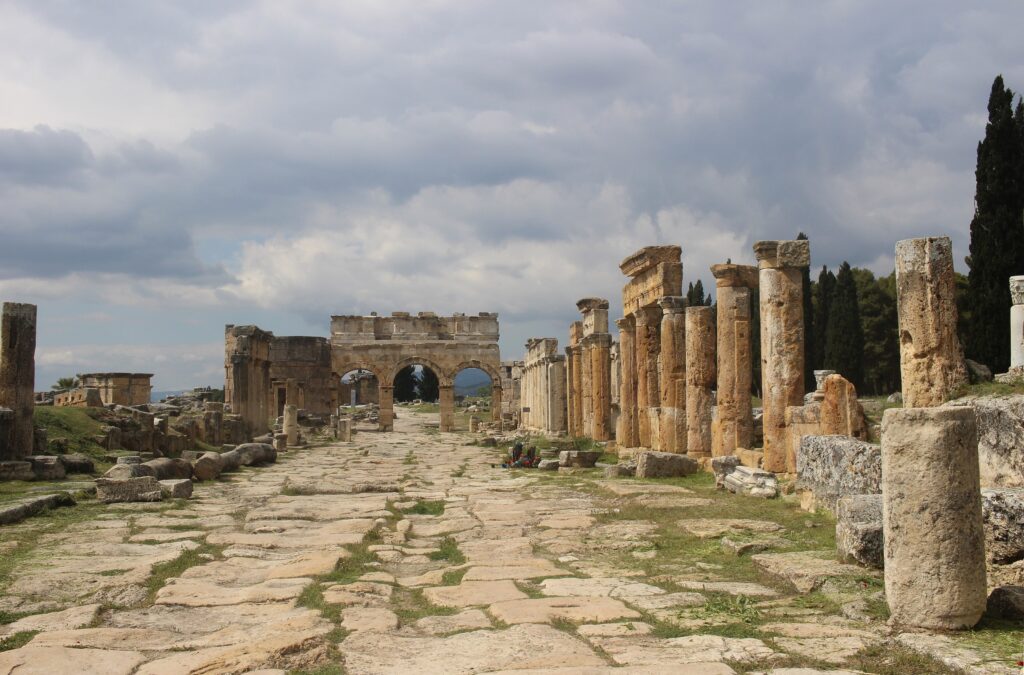
Hierapolis is an ancient city in Turkey’s world-famous UNESCO world heritage site Pamukkale. Today I want to share some wisdom from the most famous philosopher born in Hierapolis: Epictetus.
Life of Epictetus

Epictetus was born in 55 A.D. in Hierapolis as a slave in a wealthy household. Later, Epictetus obtained his freedom shortly after emperor Nero’s death and started teaching philosophy in Rome for nearly 25 years. This lasted until emperor Domitian famously banished all philosophers in Rome. Epictetus fled to Nicopolis in Greece where he founded a philosophy school and taught there until his death. Emperor Hadrian is believed to visit Epictetus’ school. His thoughts also influenced emperor Marcus Aurelius, who quoted Epictetus in his works.
His master in Rome was Epaphroditus, a freed slave who served as secretary to Emperor Nero. Epaphroditus allowed him to study with Stoic teacher Musonius Rufus, which was not usual for a slave. Even his name, Epictetus, only means “acquired” in Greek.
Epictetus was also lame. Ancient writers tell different stories about it. One says his master broke his leg, another says he was lame from childhood. We cannot be sure which one is true.
Teachings of Epictetus
Epictetus split life into two parts: what is up to us and what is not. Our opinions, choices and wishes are up to us. Our body, money, fame and other people are not. He taught that people are troubled not by events, but by their opinions about those events.
So he told his students to spend their energy on the first part and stay calm about the second. That is easy to say, but it carries more weight from a man who was born a slave. You can also see the same idea in his sayings below, too.
Here are my favorite Epictetus sayings:
- Nature has given men one tongue but two ears, so that we may hear from others twice as much as we speak.
- Small-minded people blame others. average people blame themselves. the wise see all blame as foolishness
- We must not believe the many, who say that only free people ought to be educated, but we should rather believe the philosophers who say that only the educated are free.
- No one is ever unhappy because of someone else.
Frequently Asked Questions
Is Epictetus in the Bible?
No. His birthplace is, though: Paul mentions the Christians of Hierapolis in Colossians 4:13. Tradition also places the death of the apostle Philip there, which I covered in my post on the Martyrium of Saint Philip.
Where should I start reading Epictetus?
Start with the Handbook, called the Enchiridion. It is a short collection of his main ideas, put together by his student Arrian. Then try the longer Discourses, of which four of the original eight books survive.
How did Epictetus die?
We do not know. He lived to an old age and died around AD 135, probably still in Nicopolis, where he had taught for many years.