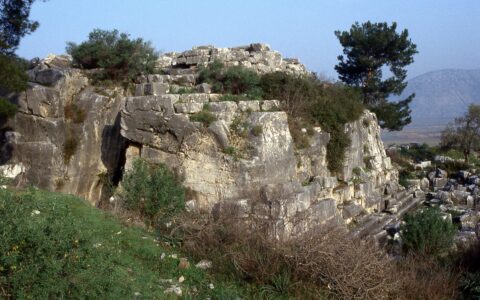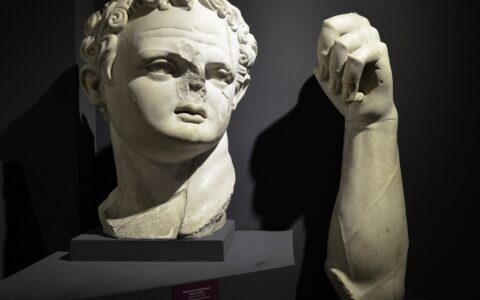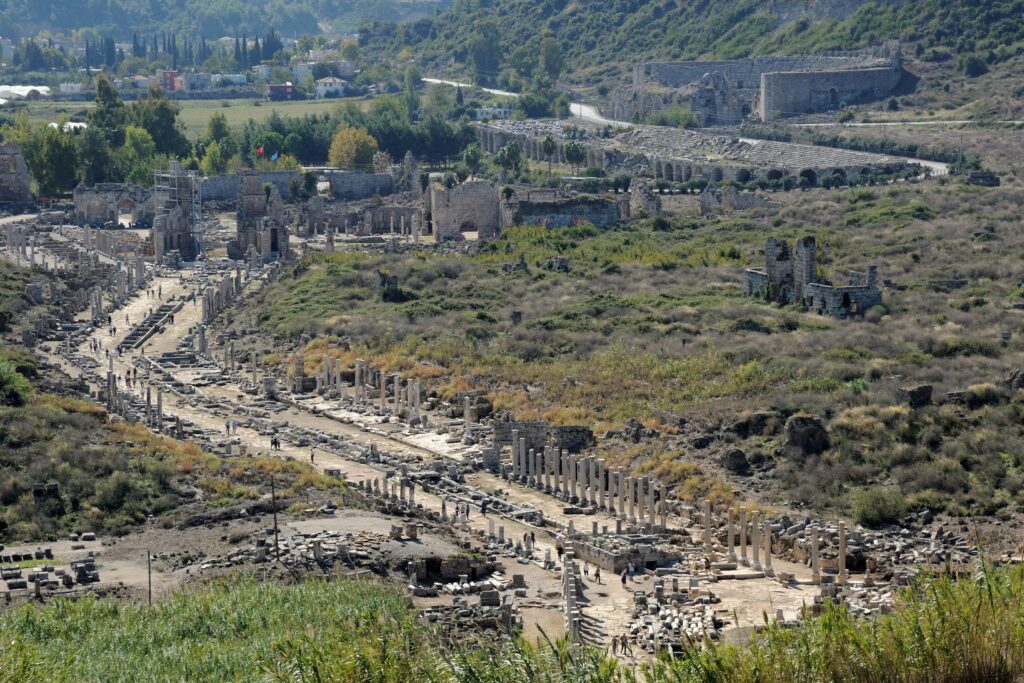
Lycia et Pamphylia was a Roman province on the southwest coast of today’s Turkey, in the Antalya region and westward toward Fethiye. Rome annexed Lycia in AD 43, under Emperor Claudius, and later governed it together with Pamphylia. The capital was Attalia, today’s Antalya, and you can still visit Perge, Aspendos, Side and Xanthos.
| Roman rule | Lycia annexed by Claudius in AD 43 |
|---|---|
| Capital | Attalia, today’s Antalya |
| Today | Antalya and Muğla provinces, southwest coast |
| Main cities | Perge, Aspendos, Side, Xanthos, Patara, Myra |
Lycia et Pamphylia Province of the Roman Empire was located on the southwestern coast of Asia Minor. There were two administrative units called Lycia and Pamphylia earlier. Pamphylia was a part of the already occupied Galatia province and Lycia was a kingdom which was annexed earlier by the emperor Claudius. Lycia and Pamphylia were combined into a single province called Lycia et Pamphylia Province.

Modern Turkish city of Antalya which was called Attalia during Roman era became the capital of Lycia et Pamphylia Province. Side, Ptolemais, Myra, Seleucia, Tlos, Nisa, Termessus, Sagalassus, Aspendus, Perge, Patara and Xanthus were the most important and most famous cities of Lycia et Pamphylia Province. Province was split following the reforms of Diocletian.
Where Is Lycia et Pamphylia Today?
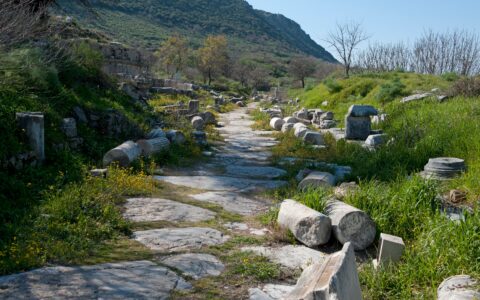
Pamphylia is the flat coastal plain around Antalya, and Lycia is the mountainous coast to the west of it, so the old province is today’s Turkish Riviera. Perge has a long colonnaded street, a stadium and a theater, and the Temple of Apollo at Side stands nearby the sea.
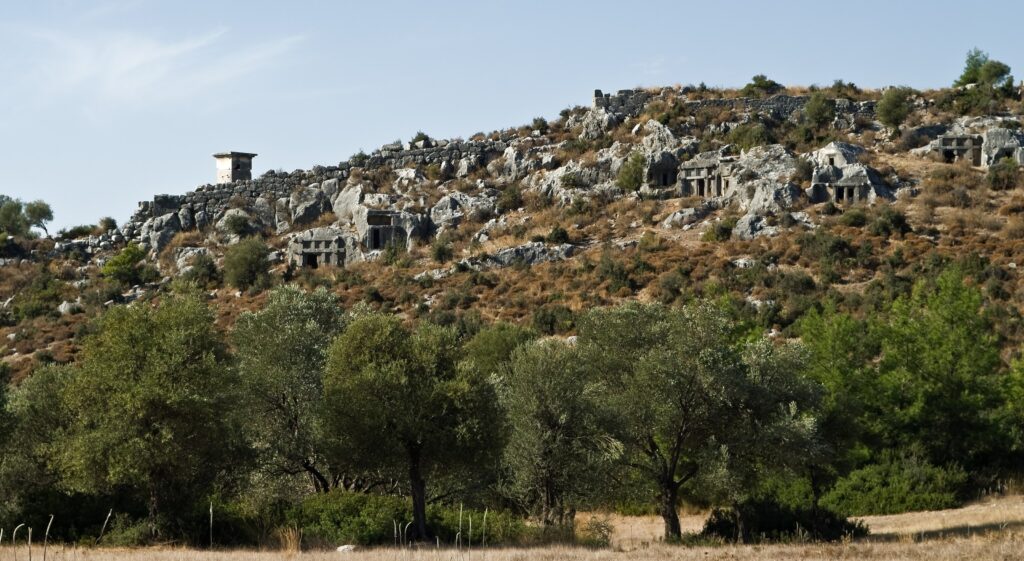
Lycia is known for tombs cut into the cliffs. Xanthos is in UNESCO World Heritage List, and at Patara you can see the council building of the Lycian League, which I show in my post on 8 unmissable archeological attractions.
Frequently Asked Questions
What is the difference between Lycia and Pamphylia?
Lycia is the mountainous western part, known for its rock-cut tombs. Pamphylia is the flat coastal plain around Antalya, with Perge, Aspendos and Side. The name Pamphylia comes from Greek words meaning roughly “of all tribes”.
Which Roman theater in Pamphylia is still used today?
Aspendos. The Greek architect Zenon built it in AD 155, and it is so well kept that the Aspendos Opera and Ballet Festival has been held there since 1994. See my post on the Aspendos Theater.
Why did John Mark leave Paul at Perga?
The Bible does not say. Acts 13:13 only records that John Mark left Paul and Barnabas at Perga and went home to Jerusalem. Today the Saint Paul Trail starts among the ruins of Perge.