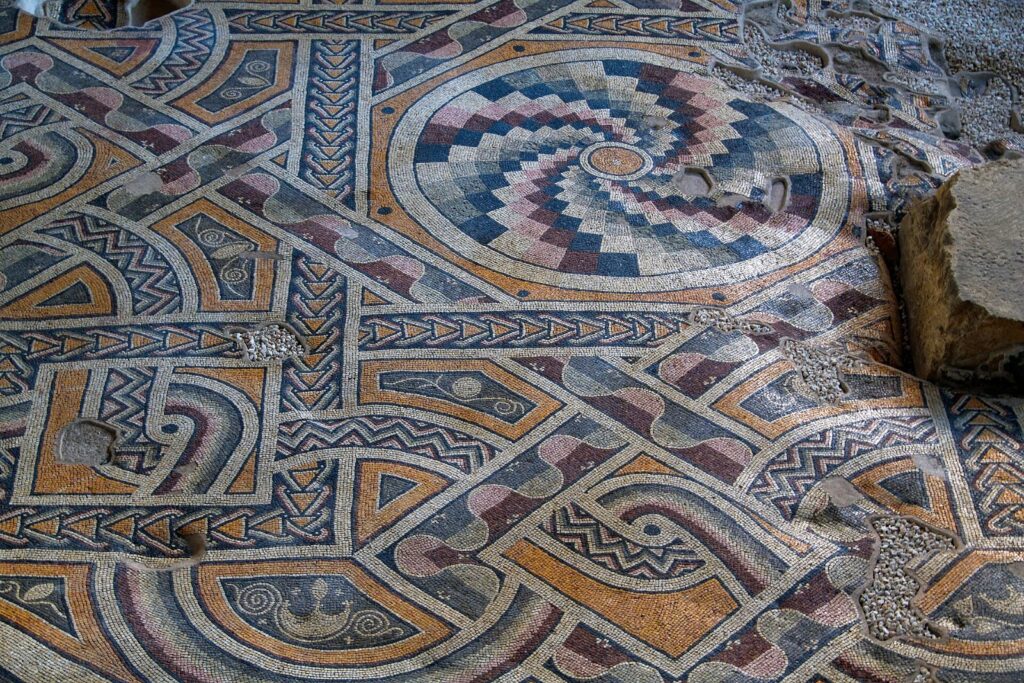
Pompey occupied and annexed areas of today’s Turkey, Syria and Lebanon. This resulted in the creation of the Roman province of Syria in the year 64 BC. Roman Syria is one of the early conquests of the Roman Republic era.
The Roman province of Syria was created in 64 BC, when Pompey ended the Seleucid kingdom. It stretched along the eastern Mediterranean coast and inland to the Euphrates, and its capital was Antioch, today’s Antakya in Hatay Province. In the early empire several legions guarded its border with Parthia.
| Created | 64 BC, after Pompey’s campaign |
|---|---|
| Capital | Antioch, today’s Antakya |
| In Turkey today | Hatay Province and the Euphrates country near Gaziantep |
| Cities to see | Antioch, Seleucia Pieria, Zeugma |

Syrian Antioch was the capital city of Roman Syria. Syrian Antioch was one of the most crowded cities of the Roman Empire, reaching half a million population under the rule of Emperor Augustus. Even tough a small part of the Roman Syria was in today’s Turkey, still the capital city is still alive and called Antakya today.
Following the split of the Roman Empire by the emperor Diocletian, Roman Syria shrank in size. Eventually the capital city became a part of Asia Minor during Byzantine era and the rest of the Roman Syria started to be occupied by Arabic tribes.
Roman Province of Syria in Today’s Turkey
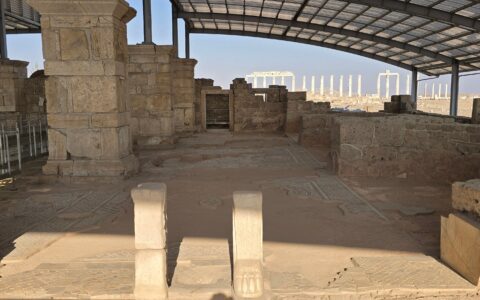
In Turkey today, Roman Antioch lies under modern Antakya, and its mosaics are the best reason to go there. I wrote about the biggest one in my post on the world’s largest ancient floor mosaic in Turkey, and about the city in my short post on Antioch. Antakya was badly damaged in the 2023 earthquakes, so check what is open before you go.
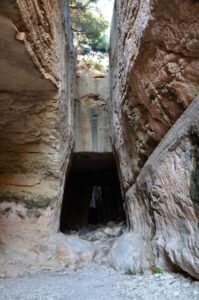
Antioch’s port was Seleucia Pieria, near today’s Samandağ. Emperor Vespasian ordered a tunnel cut through the rock there, to carry floodwater away from the harbor, and his son Titus carried on the work.
On the Euphrates stood Zeugma, nearby today’s Gaziantep. Rome used it as army base and a trade crossing until the Persians destroyed it in 253 AD. It also appears in my post on the top 10 archaeological attractions of Turkey.
Frequently Asked Questions
Where is the Titus Tunnel in Turkey?
It lies near the village of Çevlik, close to Samandağ in Hatay Province, at the old port of Seleucia Pieria. Paul and Barnabas sailed from this port on their first journey (Acts 13:4).
Was Roman Syria ever split in two?
Yes. Septimius Severus divided it into Syria Coele in the north, with Antioch as capital, and Syria Phoenice in the south, with Tyre as capital.
Where can I see the mosaics of Zeugma?
In the Zeugma Mosaic Museum in Gaziantep, one of the largest mosaic museums in the world. The mosaics were saved before a dam lake covered part of the ancient city.