This Mycenaean statue is a tiny clay figure of a woman, only 5 centimeters tall, found on Ayasuluk Hill in Selçuk, a few kilometers from the ruins of Ephesus. It is about 3,200 years old, so it comes from the Late Bronze Age, long before the Ionian Greeks arrived.
During the archaeological excavations near the ancient city of Ephesus, a 3,200-year-old Mycenaean statuette was found. This new discovery could change the perspective of the Hittite, Aegean, and Greek Islands’ relations during the Bronze Age. The statue in question is 5 centimeters high and wide, and it does not have a head or feet. The Mycenaean figurine is dated between 1200 and 1700 BC. The Mycenaean figure has shown that there was a strong Bronze Age settlement here. This evidence shows us that the history of the ancient city of Ephesus dates back much earlier than the Hellenic culture.

Mycenaean Statue on Ayasuluk Hill
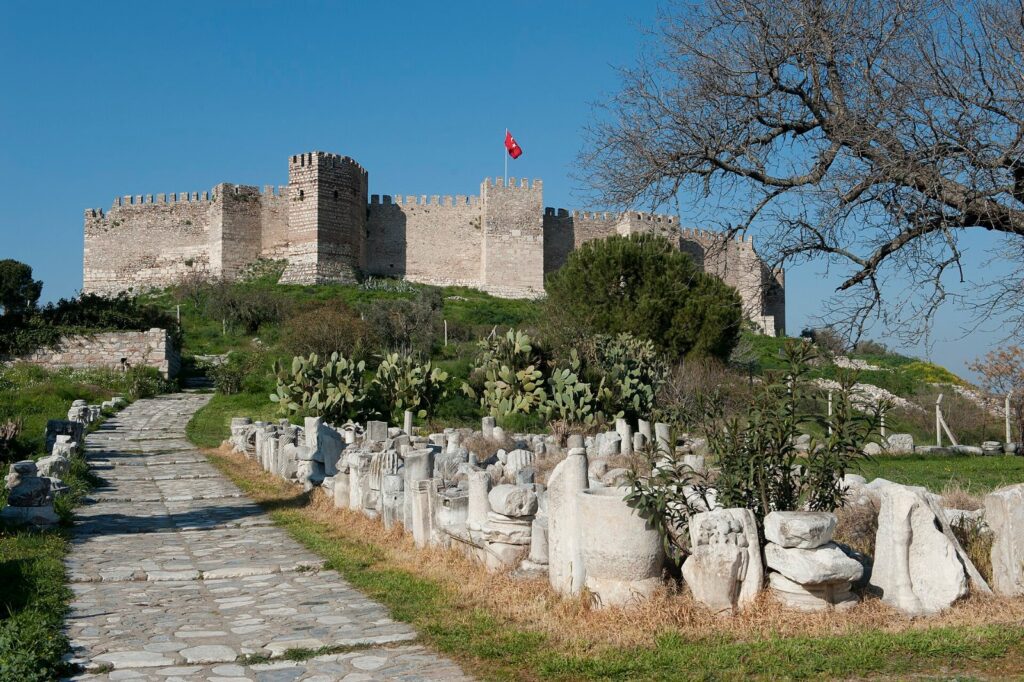
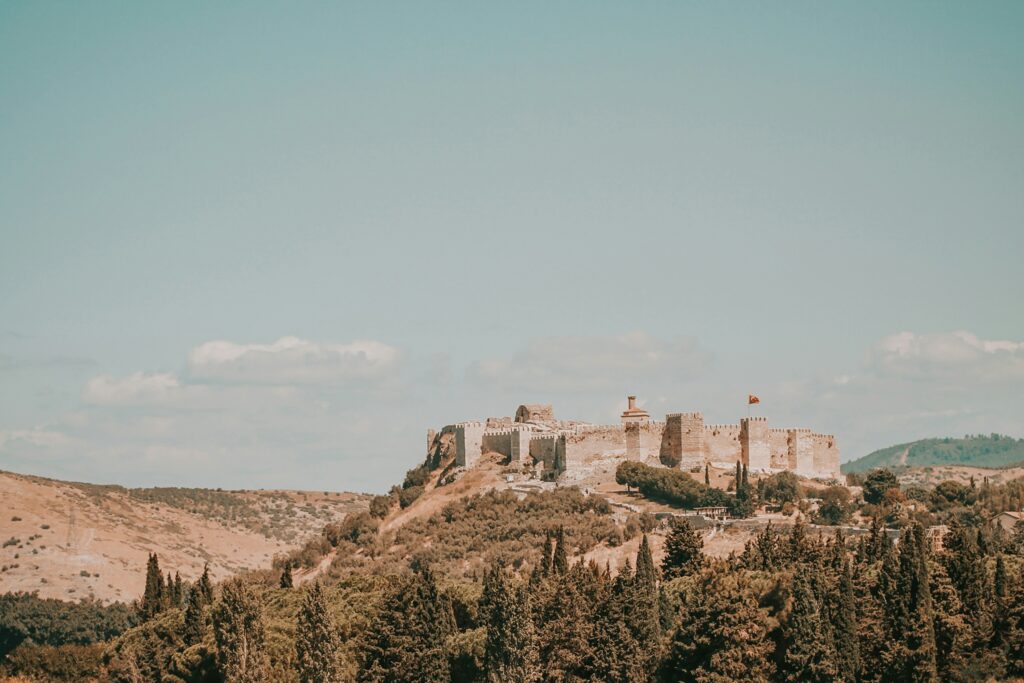
The Mycenaean statue was found on Ayasuluk Hill, the hill above Selçuk with the Basilica of Saint John on its slope and the Ayasuluk Fortress on top, which is open to visitors. Bronze Age pottery and shells came out of the ground there too. Archaeologists call this kind of figure a psi figurine, because its shape looks like the Greek letter psi. This one is painted with dark bands.
The Mycenaeans were the Greeks of the late Bronze Age, and they traded by sea along the Aegean coast. Mycenaean traces are known at Miletus and Iasos, south of Ephesus. Mycenaean pots were also laying inside a grave on this same hill, which I explain in my post on Ayasuluk Hill Nearby Ephesus.
Nobody knows if Mycenaeans lived on the hill or only traded with the people there. Some think the figure came from the Greek islands and others think it was made in the region. However, it shows that people on Ayasuluk Hill were already in touch with Aegean world 3,200 years ago.
Frequently Asked Questions
What is a Mycenaean psi figurine?
It is a small hand-made clay figure of a woman with raised arms, and its shape looks like the Greek letter psi. Mycenaeans left them in houses, shrines and graves, and some may have been toys.
Who were the Mycenaeans?
The Mycenaeans were Greek speakers of the late Bronze Age, named after the city of Mycenae in Greece. Their world lasted from about 1750 to 1050 BC, and their ships carried trade all over the Aegean.
Is this the oldest find near Ephesus?
No. People lived at Çukuriçi Mound, just southeast of the ancient city, from about 6700 BC, thousands of years before the Mycenaeans. You can read about it in my post on Çukuriçi Mound.