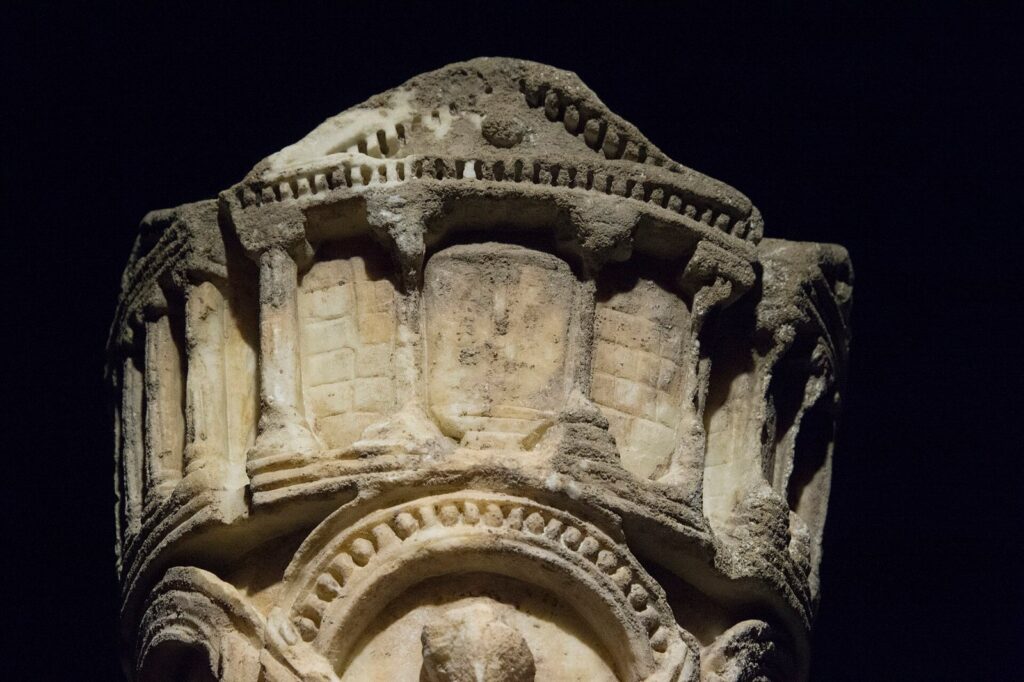
Happy birthday, Artemis! Many people keep May 6th as the birthday of this Greek goddess, and the Ephesians celebrated it with a festival for their city goddess and protector. Her great Temple of Artemis, one of the Seven Wonders of the Ancient World, stood just outside Ephesus.
Leto, the mother of Artemis and Apollo, went into labor which too for 9 days. On the eighth day, on May 6th, Artemis was born, and on the ninth day, his brother Apollo was born.
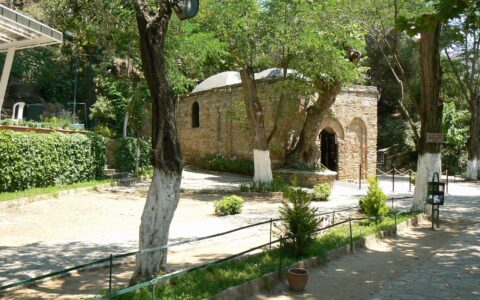
According to a local narrative in Ephesus, although Apollo was born on the island of Delos, Artemis was born in what was thought to be a grove in the ancient port area of Ephesus today.
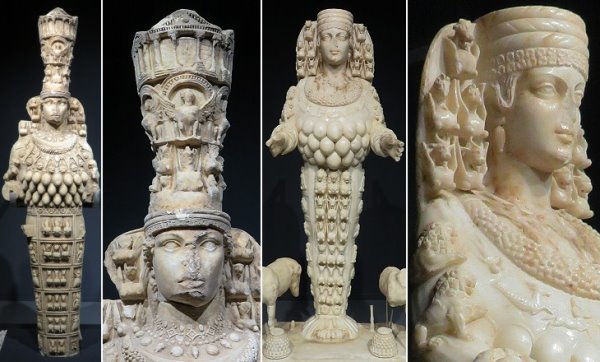
Even Zeus’ wife, covetous Hera, wanted to prevent Leto’s labor. But at the time of the birth of Artemis, the Curetes, who were the holy priestesses, distracted the attention by making a great noise on the skirts of Mount Nightingale and helped Artemis to be born safely. Starting from this moment, the Ephesians accepted Artemis as their greatest goddess and built her the largest temple in the world in the name of Artemis.
I have seen the walls and Hanging Gardens of ancient Babylon, the statue of Olympian Zeus, the Colossus of Rhodes, the mighty work of the high Pyramids and the tomb of Mausolus. But when I saw the temple at Ephesus rising to the clouds, all these other wonders were put in the shade.
Philo of Byzantium

Ephesians used to organize a festival that lasted for about a month on the sixth of May every year, dedicated to the birth of the Goddess Artemis in Ephesus. Preparations would have begun at night for the festival. Believers from all over the pagan world brought sacrifices and gifts for their goddess. Priests and nuns used to decorate the original carved wooden statue of Artemis in the temple with gold, silver, ruby , and many other precious stones and make her ready for the ceremony.
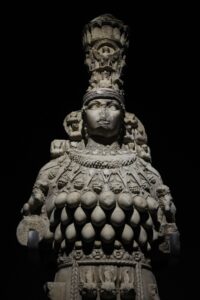
Pilgrims started to march on the holy road connecting Ephesus to the Temple of Artemis. At the end of the parade, hundreds of bulls were sacrificed to the goddess Artemis and the testicles of sacrificial bulls were hung around Artemis’ neck, showing her masculine power.
These parades maybe can be considered the beginning of tourism activity in Ephesus! Because believers from all over the world would provide a great income to Ephesus and exclusively came here to visit the temple just like modern tourists today. Especially the tradesmen who sold the silver and gold figurines of Artemis would earn a great income as it is mentioned in the Holy Bible.
Ortygia Grove and the Kouretes of Ephesus
The Ephesians called the grove where Artemis was born Ortygia, and every year at her birthday festival the city came there for banquets, while the college of the Kouretes held its own feasts and secret sacrifices in honor of her birth.
Ortygia was a grove of many kinds of trees, cypress most of all, with the little Kenchrios river running through it. In the story Leto washed herself in this river after birth. During the festival the young men of Ephesus competed with each other there, and each one tried to give a richer banquet than the others.
The Kouretes were not only a legend. Ephesus had a real college of Kouretes, which first served at the Temple of Artemis. Under Emperor Augustus it moved to the Prytaneion, the town hall with the sacred fire. The names of the Kouretes were carved on its stones every year, and many of these lists survive today.
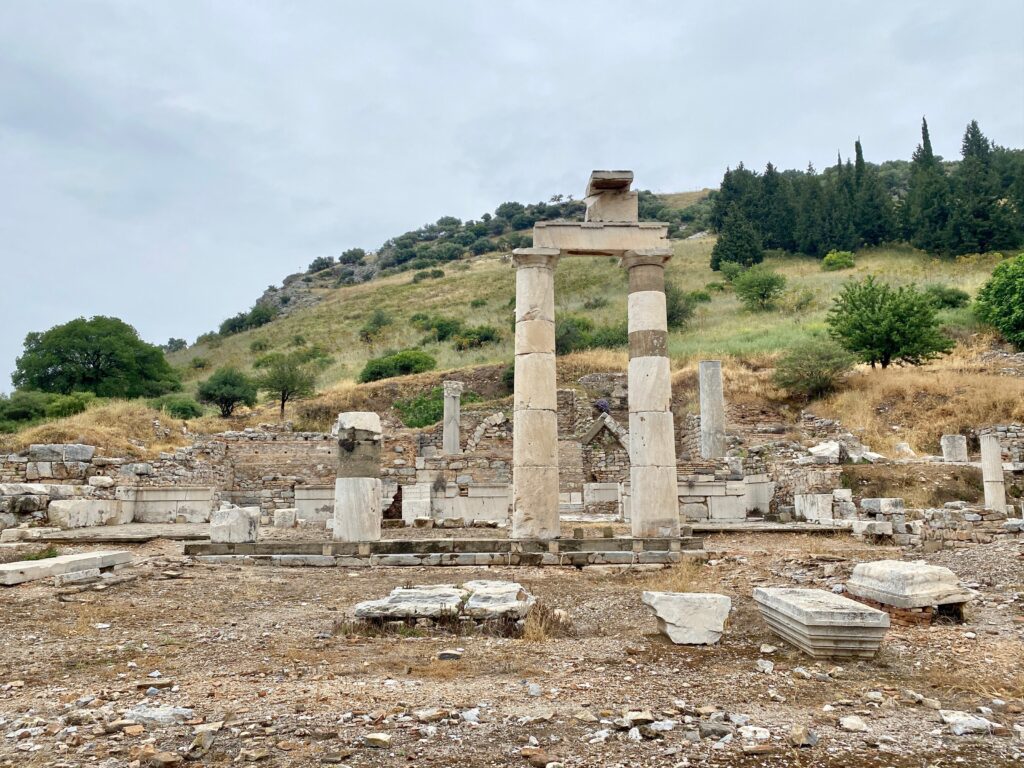
It is believed that the secret ceremonies in Ortygia played the birth story again, with the same great noise that kept Hera away from Leto. So the 6th of May, the birthday of Artemis, was a party with music, food and a lot of noise.
Artemis Opis and the Hymn of Timotheus
Opis was another name of Artemis in Ephesus. When the Ephesians dedicated their temple, they paid Timotheus of Miletus, the famous poet and lyre player, a thousand gold coins to write a hymn to “Opis, the shooter of swift arrows”. So Opis here is not a companion of the goddess, it is the Lady of Ephesus herself.
The name fits her birthday well. In Ephesus, Opis was the Artemis who helps women in childbirth. Old Greek stories also remember a maiden called Opis from Hyperborea, the land beyond the North Wind, who brought an offering to Eileithyia, the goddess of childbirth, for the birth of Apollo and Artemis.
Frequently Asked Questions
Where was Artemis born?
Most Greek stories say Delos, where Leto gave birth to the twins. The Ephesians claimed the birth for their own sacred grove, Ortygia, and even argued this case before the Roman Senate under Emperor Tiberius.
Were Artemis and Apollo twins?
Yes. In Greek myth Artemis and Apollo are the twin children of Zeus and Leto. In one account Artemis was born first and helped her mother deliver Apollo, and women prayed to her in childbirth too.
Who were the Kouretes of Ephesus?
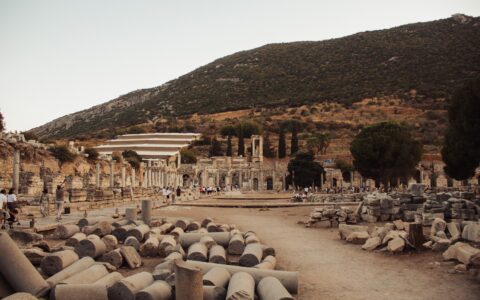
In Greek myth Kouretes were young armed dancers who clashed their shields to hide the cries of baby Zeus. Ephesus used the same story for Leto, and the marble Curetes Street is named after them.



1 comment