Roman province of Bithynia and Pontus was located on the Black Sea coast of Anatolia, today’s Turkey. The kingdom of Bithynia was made into a province in 74 BC and the kingdom of Pontus was annexed to Bithynia in 63 BC. Thus resulting into the forming of Bithynia and Pontus province.
Add Tours Around Turkey as a preferred source on Google
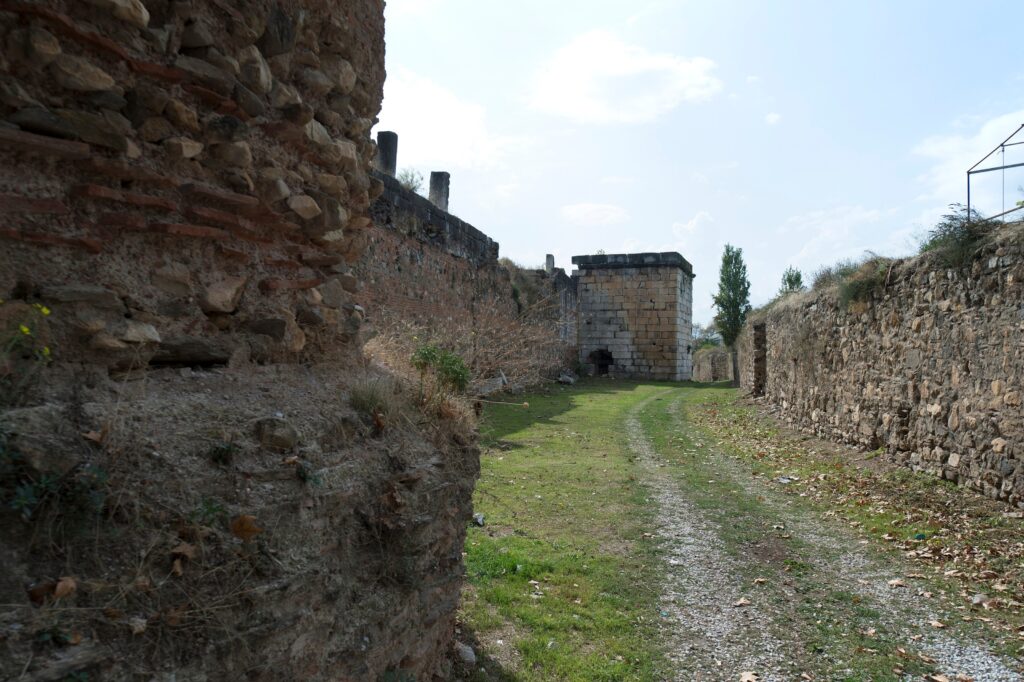
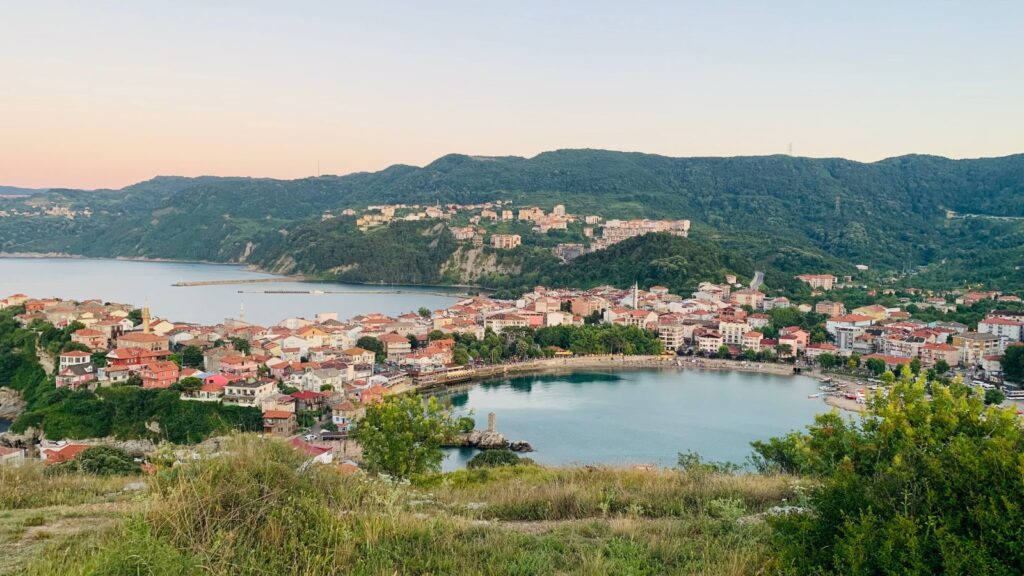
Bithynia and Pontus is best remembered for one of its governors, Pliny the Younger. His letters to Emperor Trajan include one of the earliest Roman records of Christians. You can still visit the old walls of Nicaea, now İznik, and the harbor towns of Amasra and Sinop.
| Region | Black Sea coast and northwest Anatolia |
|---|---|
| Governor | Pliny the Younger, about AD 110 to 113 |
| Letters | Pliny to Emperor Trajan |
| Cities today | İzmit, İznik, Amasra and Sinop |

Bithynia wished to join into the Roman Empire to gain support against Pontus Kingdom. This resulted with the Third Mithridatic War. Mithridates VI of Pontus rallied his allies into the war against Rome and nearly succeeded pushing the Romans out of Asia Minor. But in the end Pompey was sent to finish the rebellion. Mithridates VI of Pontus was assassinated and Pontus Kingdom ceased to exist.
Nicomedia, modern Izmit town of Turkey, became the capital of the Bithynia and Pontus province. Province went on to exist as it is till administrative reforms of emperor Diocletian on the fourth century.
Pliny the Younger in Bithynia and Pontus
Emperor Trajan sent Pliny to govern the province around AD 110. He wrote to the emperor about everything, even a half built theater in Nicaea that was already cracking, and Trajan often wrote back.
One letter became famous. Pliny did not know how to treat people brought to him as Christians, he asked the emperor. Trajan said not to hunt them down, but to punish those who were reported and would not deny it. More in my post on Pliny the Younger.
What Remains of Bithynia and Pontus Today
Nicaea is today İznik, nearby Lake İznik. Its old walls still stand in many places, and the First Council of Nicaea, one of the seven ecumenical councils, met here in 325. The ruins of the Roman theater, perhaps the one Pliny wrote about, are inside the town.
On the coast, Amasra was Amastris in Roman times, where Pliny asked to cover a filthy open drain. Sinop was Sinope, where Julius Caesar settled a Roman colony.
Frequently Asked Questions
Is Bithynia in the Bible?
Yes. In Acts 16:7 the Spirit did not allow Paul to enter Bithynia, and 1 Peter 1:1 greets Christians in Pontus and Bithynia. Aquila, Paul’s friend, came from Pontus (Acts 18:2).
Where is Bithynia and Pontus on a map of Turkey?
Bithynia lay in the northwest, around İzmit and İznik. Pontus ran east along the Black Sea coast past Sinop and Samsun, the old land of Mithridates VI.