Theodosius and Ephesus is the story of two emperors with the same name. Theodosius I, who ruled from 379 to 395, banned pagan worship, and that helped to end the old cult of Artemis here. His grandson Theodosius II, who ruled from 408 to 450, called the Council of Ephesus of 431.
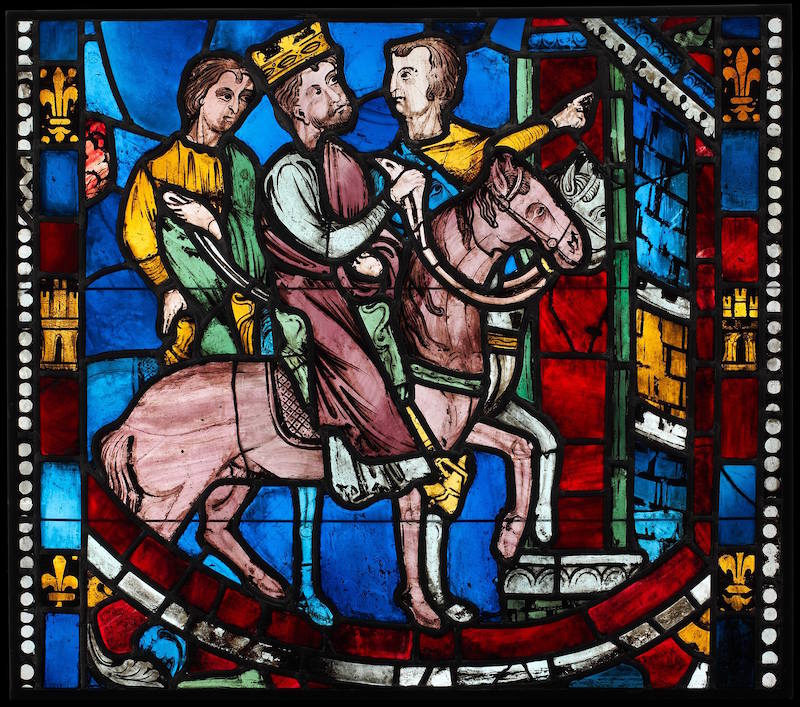
The Emperor Theodosius II was the Roman ruler who, in the year 431, summoned the great Council of Ephesus to our city — and in whose reign, by ancient legend, the famous Seven Sleepers of Ephesus are said to have awoken from their centuries-long sleep.
Who Was Theodosius II?
Theodosius II ruled the Eastern Roman Empire for over forty years from Constantinople, and Ephesus loomed large in his story. He called the council of 431 that defined the title of the Virgin Mary as Mother of God, and a few years later approved a second, stormier council in the same city. And it was during his reign, the legend says, that the seven young Christians who had slept in a cave above Ephesus awoke as a sign of the resurrection of the dead.
Theodosius II was only seven years old when his father Arcadius died in 408 and he became the sole emperor of the East. His older sister Pulcheria watched over him in his youth. He is remembered for the great land walls of Constantinople, which still stand in Istanbul, and for the law code he published in 438.
He should not be confused with his grandfather, Theodosius I “the Great,” who a generation earlier had made Christianity the official religion of the empire and outlawed the old pagan cults — a turning point that hastened the end of the worship of Artemis here at Ephesus. Between these two emperors, the Ephesus of the gods finally gave way to the Ephesus of the Church.
What Did Theodosius I Change in Ephesus?
For Theodosius and Ephesus, the first meeting was by law. Theodosius I changed the religious life of the city with his edicts. Many of them are known to us because his grandson collected them in the law code of 438. Let’s have a look at the main dates.
- 380: he tells the peoples under his rule to follow the faith of the bishops of Rome and Alexandria, the Nicene faith.
- 389: the old festival days that are not yet Christian become ordinary working days.
- 391: nobody may make sacrifices, enter the temples or raise his eyes to the statues.
- 392: all public pagan ceremonies are forbidden in the whole empire.
What did this mean for the Temple of Artemis? It had already been badly damaged when the Goths raided Ephesus in the 260s. Still, people seem to have honored Artemis at site until about 401, ten years after the edict of 391. After that the cult was over. In many old inscriptions of the city the name of the goddess seems to be scratched out. You can read what happened to her stones in my post on Pagan to Christian Asia Minor.
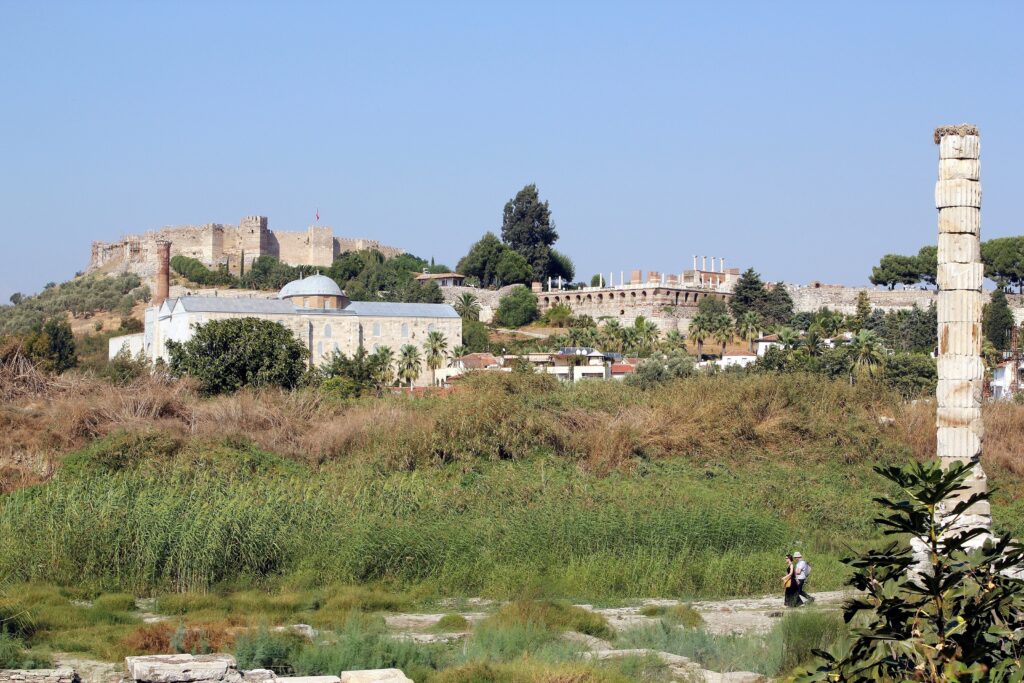
Theodosius and Ephesus meet in stone too. When the Temple of Hadrian was rebuilt in his time, new reliefs were added, and one of them is believed to show the emperor himself standing among the old gods. Copies are on the temple today, the originals are in the Ephesus Museum in Selçuk. I wrote about the temple in my guide to the Temple of Hadrian in Ephesus.
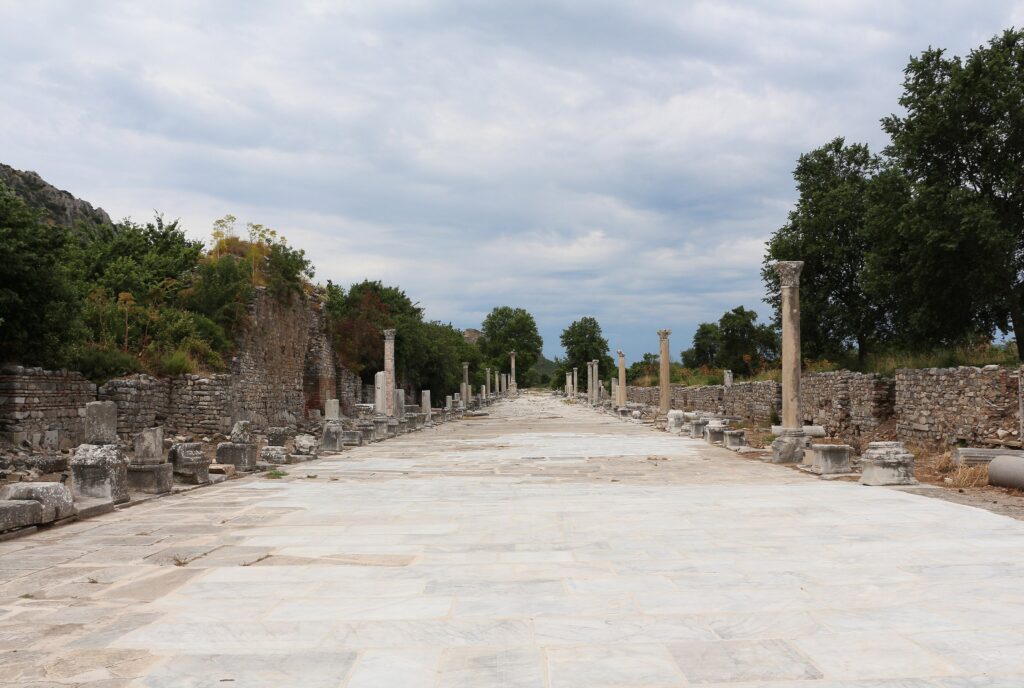
His son Arcadius, who ruled the East after him, left his name on the Harbor Street, which runs from the Great Theater down to the old harbor. It is called the Arcadian Way, and I tell its story in my post on the Arcadian Road of Ephesus.
Frequently Asked Questions
Which Theodosius called the Council of Ephesus?
Theodosius II called it. In November 430 he invited the bishops to meet in Ephesus for Pentecost in 431. His grandfather, Theodosius I, had died in 395. I tell the whole story in my post on the Council of Ephesus of 431.
Did Theodosius I destroy the Temple of Artemis?
His edicts banned sacrifice and public pagan ceremonies, and the worship of Artemis at the temple site seems to have ended around 401. The temple itself had been damaged by the Goths in the 260s, and later its stones were reused in other buildings.
Where can you see Theodosius in Ephesus today?
The best place is the Temple of Hadrian on Curetes Street, where a relief of his time is believed to show him among the gods. The originals are in the Ephesus Museum in Selçuk. His son’s name is on the Arcadian Way.
From the ruined Church of Mary to the hillside of the Seven Sleepers, the age of Theodosius is written all over Ephesus. To explore it with a licensed local guide, find me at toursaroundturkey.com.



3 comments