Amulets and Charms Found in Ephesus: Eyes, Bells, Phalli and the Bee
Ancient amulets of Ephesus: the phallus charm, bronze bells, the evil eye, the bee of Artemis and the Ephesian Letters, and what you can still see in the Ephesus Museum.
Ancient amulets of Ephesus: the phallus charm, bronze bells, the evil eye, the bee of Artemis and the Ephesian Letters, and what you can still see in the Ephesus Museum.
Ancient Smyrna sleeps under modern Izmir, and the region around it is packed with apostolic history. Here are my top 10 Christian sites in Izmir and nearby.
Two emperors named Theodosius shaped Ephesus: the grandfather ended the old temple worship by law, and his grandson called the Council of 431.
Discover how pagan Asia Minor transitioned to Christianity. Explore the history of Ephesus, the Temple of Artemis, and ancient Turkey with Hasan Gülday.
what happened in Ephesus in the Bible, Ephesus in the Bible, biblical Ephesus, Ephesus Bible history, Apostle Paul in Ephesus, Paul's ministry in Ephesus, Paul third missionary journey, riot of the silversmiths, Acts 19 Ephesus, Demetrius silversmith, Artemis of the Ephesians, Temple of Artemis, Book of Ephesians, Letter to the Ephesians, John the Apostle in Ephesus, Gospel of John Ephesus, Virgin Mary in Ephesus, House of Virgin Mary, Seven Churches of Revelation, Church of Ephesus Revelation, Revelation 2 Ephesus, early Christianity in Ephesus, biblical sites in Turkey, Christian pilgrimage Ephesus, footsteps of Saint Paul, Ephesus tour guide, Hasan Gülday biblical tour, licensed tour guide Turkey
Asiatic Vespers of Ephesus, Ephesus History, Mithridates VI, Temple of Artemis, Roman Province of Asia, Ephesus Tour Guide
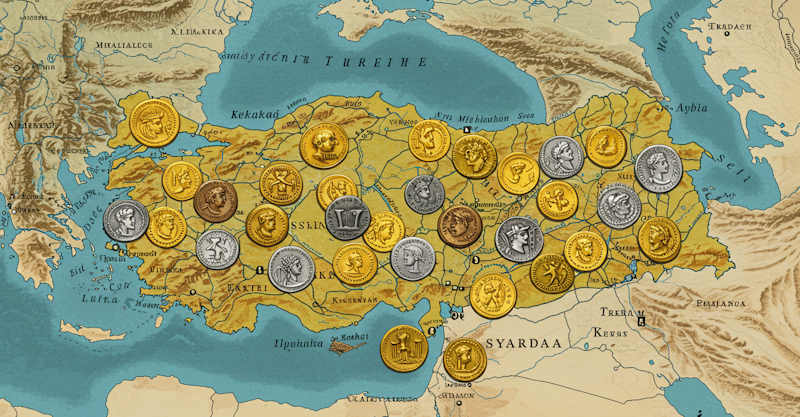
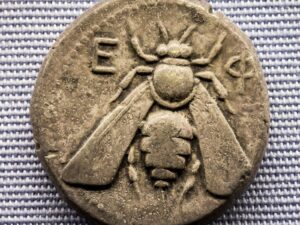
Ephesian coins in chronological order begin with electrum coins of the 7th century BC. After them come silver coins with a bee or a deer, Persian…
Selcuk town is a small town in İzmir Province that grew on and around Ayasuluk Hill, right beside Ephesus Ancient City. This is where you find…
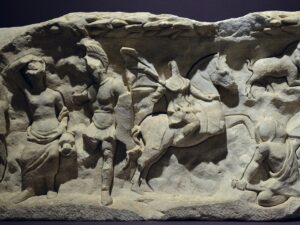
The founding legends of Ephesus: the Amazons, the oracle of the fish and the boar, the Carians and Leleges, and where to see the story of Androclos in stone.
6th of May is considered the birthday of the Ephesian goddess Artemis, and festivals were held in her name. The festival for Artemis during the month…
Twelve frequently asked questions about Ephesus with short answers, plus the route through the ruins and five key dates in the city's history.
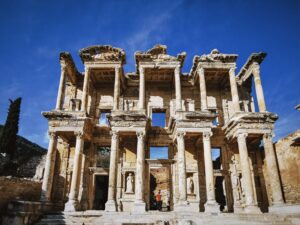
The best things to do in Ephesus Ancient City are to walk the marble streets, see the Library of Celsus and the Great Theater, and step…
Happy birthday, Artemis! Many people keep May 6th as the birthday of this Greek goddess, and the Ephesians celebrated it with a festival for their city…
Ephesus is called the crossroad of faiths because several religions lived side by side in one city. The religions of Ephesus included the worship of Artemis,…
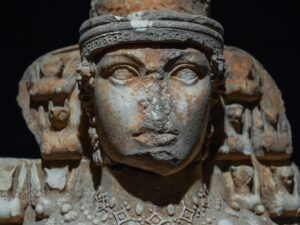
The Lady of Ephesus is the goddess Artemis as the Ephesians worshiped her, and two of her famous statues stand in the Ephesus Museum in Selçuk.
Ephesia Grammata, the Ephesian Letters, were magic words that the ancient Greeks used on amulets and charms for protection and luck.
Apelles of Ephesus is the painter of Alexander the Great. In the 4th century BC he became the court painter of Philip II and then of…
Magic in ancient Ephesus meant amulets, oracles and curse tablets. Acts 19:19 tells of magic books there worth fifty thousand pieces of silver.
Dinocrates the Architect of the second Artemis Temple was born on the island of Rhodes in the fourth century BC. He became an architect and later…
The most intriguing facts about Ephesus are the old stories around the Temple of Artemis. The temple was lost for many centuries and found again in…
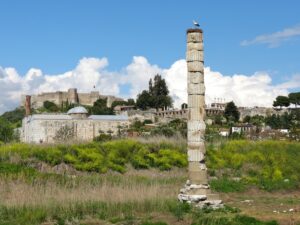
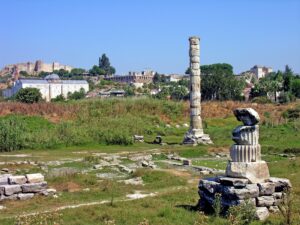
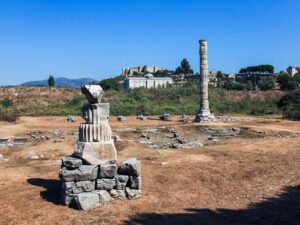
The Temple of Artemis is one of the Seven Wonders of the Ancient World. Another name of the Temple of Artemis in Ephesus is the Temple of Diana. The Temple of Artemis has been used as a religious place, where it has been visited by kings, artists, merchants, and tourists for centuries, offering their beliefs to the goddess.
The Great Theater of Ephesus seated about 24,000 people, and in Acts 19 the silversmiths’ crowd shouted for Artemis there for two hours. Its history, the inscriptions that match the story, what you see today and the concerts, from a licensed guide in Ephesus.