These are the commonly asked questions about Ephesus that deal with what you see: the aqueducts, the museum, the Temple of Hadrian, mosaics, the Terrace Houses, the Artemis statues, the stoa, beaches and restrooms. My short answers come first. After them I explain how the museum and the ruins fit together and add three new questions.
Add Tours Around Turkey as a preferred source on Google
What is the significance of the ancient Roman aqueducts in Ephesus, and where can they be found?
What is the history and significance of the Ancient City of Ephesus Museum?
Are there any souvenirs or local products that visitors should buy in Ephesus?
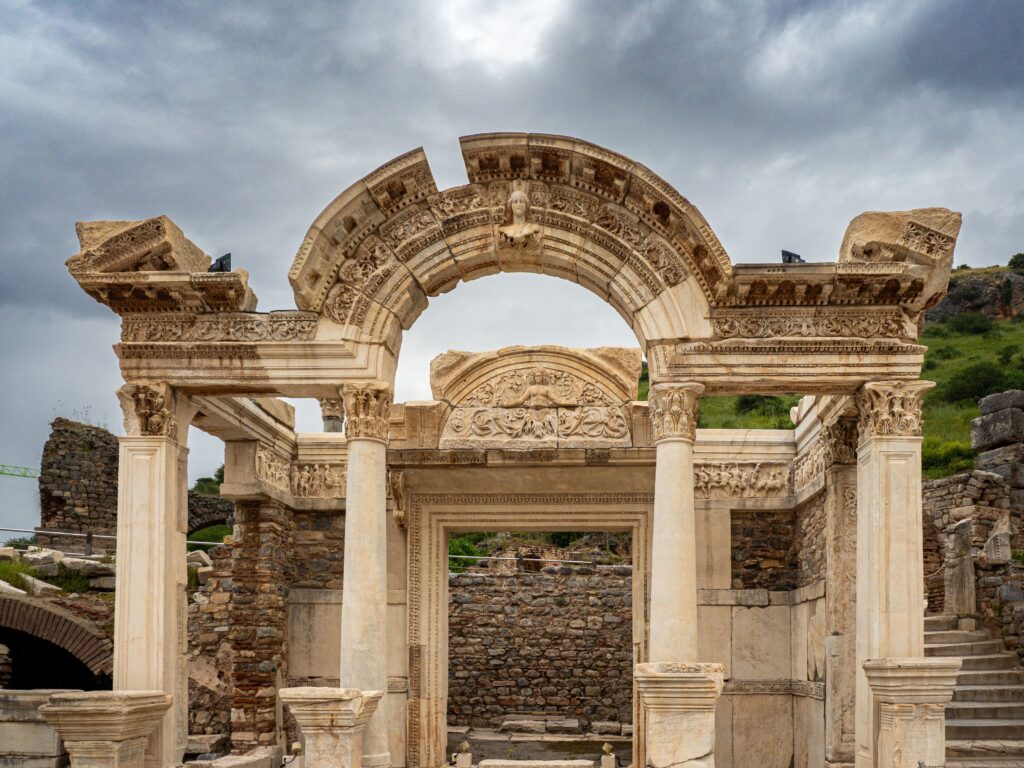
What is the history and significance of the Temple of Hadrian in Ephesus?
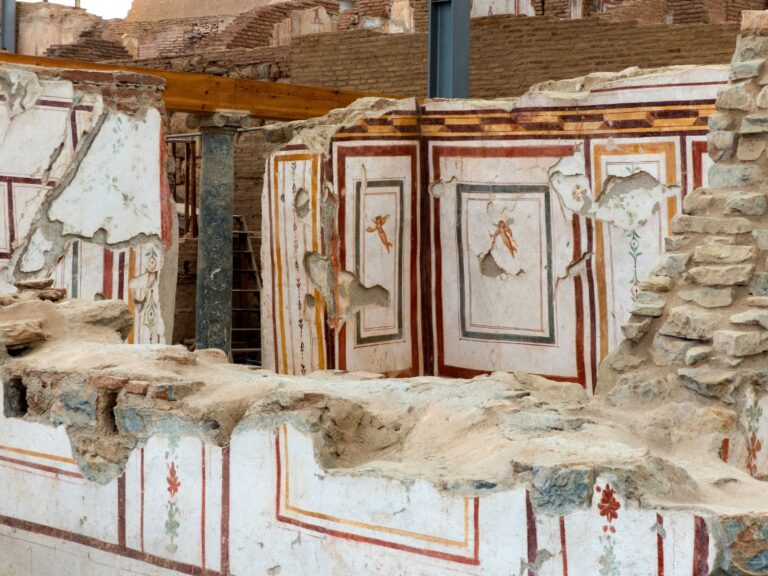
Can visitors see any ancient mosaics or frescoes in Ephesus, and where are they located?
Visitors can see mosaics and frescoes in and around Terrace Houses of Ephesus.
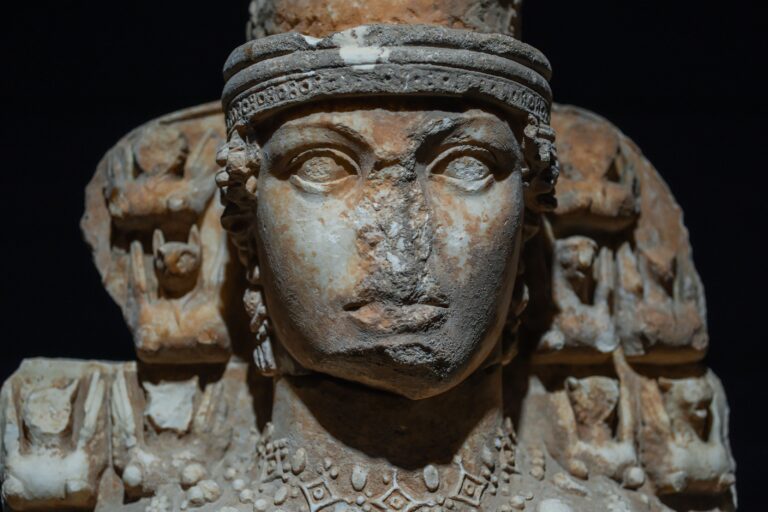
What is the story behind the famous statue of Artemis of Ephesus, and where can visitors see it?
What is the significance of the Ephesus Terrace Houses, and how are they different from the rest of the ancient city?
What is the best way to get around the ancient city of Ephesus, and are there any transportation options available within the site?
What is the significance of the Ephesus Stoa, and how was it used in ancient times?
There were several Stoas in Ephesus, but one of the most significant was the Basilica Stoa, which was located in the Upper Agora of the city. This stoa was the spot where Apostle Paul had the confrontation against the silversmiths and magicians of Ephesus. Also, the famous riot of silversmiths in Ephesus started in this stoa.
Are there any nearby beaches or coastal areas that visitors can access from Ephesus?
Are there restrooms available at Ephesus Ancient City?
There are restrooms available at the Ephesus Ancient City. The ones on the upper entrance are paid and the ones at the lower entrance are free.
Why should I book Hasan Gülday as a private tour guide?
Hiring me as a private tour guide will let you have a tailored experience in Ephesus. You will be taken away to the most exclusive attractions, restaurants, and facilities while being away from the crowds.
What Is in the Ephesus Museum in Selçuk?
The Ephesus Archaeological Museum in Selçuk opened in 1964, reopened in November 2014 after a renovation, and keeps finds from the ruins in halls such as the Terrace Houses, the Fountains, the Emperor Cults and Artemis of Ephesus.
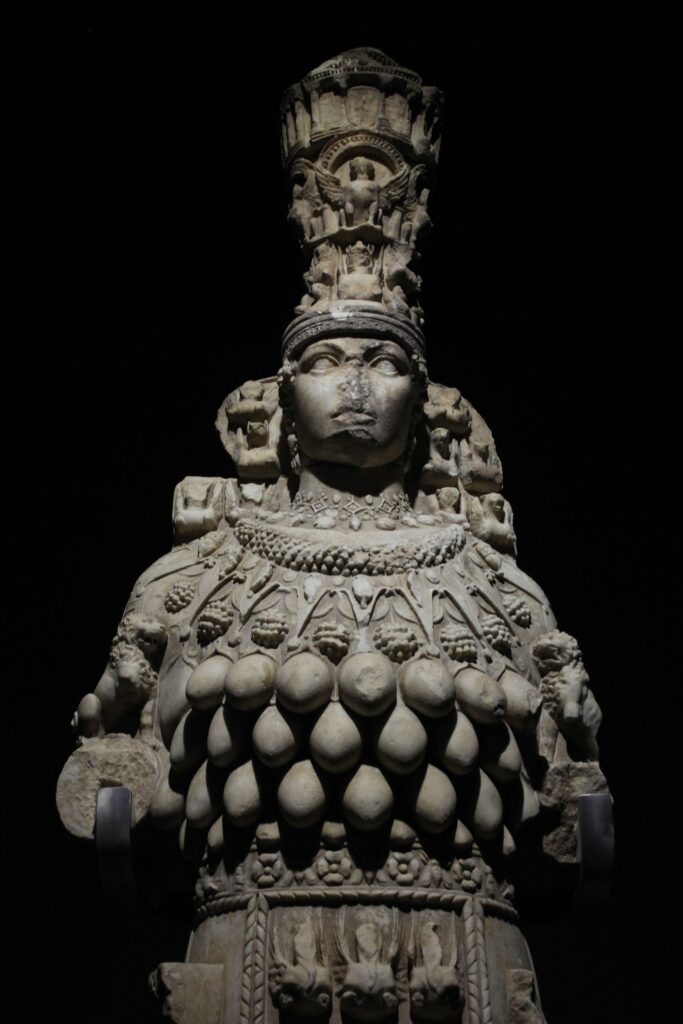
So the statues, mosaics and small finds you asked about are in two places. Some pieces stay in the ruins and others are safe in the museum. Plan museum as a separate stop in Selçuk, a short drive from the ruins.
If you are still planning your first visit, start with my post 12 Frequently Asked Questions About Ephesus. Hours and tickets are in my post Ephesus and Nearby Attractions Entry Times Update.
Terrace Houses and Temple of Hadrian on Curetes Street
The Terrace Houses stand on the lower slope of Bülbül Mountain along Curetes Street, close to the Temple of Hadrian, and a protective roof now covers them. Their oldest parts date from the 1st century BC, and some houses were lived in until the 7th century AD.
The roof is modern, but it protects the mosaics and wall paintings from rain and sun, they would not survive outside. Please keep in mind that the Terrace Houses are not wheelchair accessible. The small Temple of Hadrian, close to them, is a favorite photo stop on Curetes Street.
For the plan of the houses see my post Layout of Ephesus Terrace Houses.
More Questions About the Library and the Temple of Hadrian
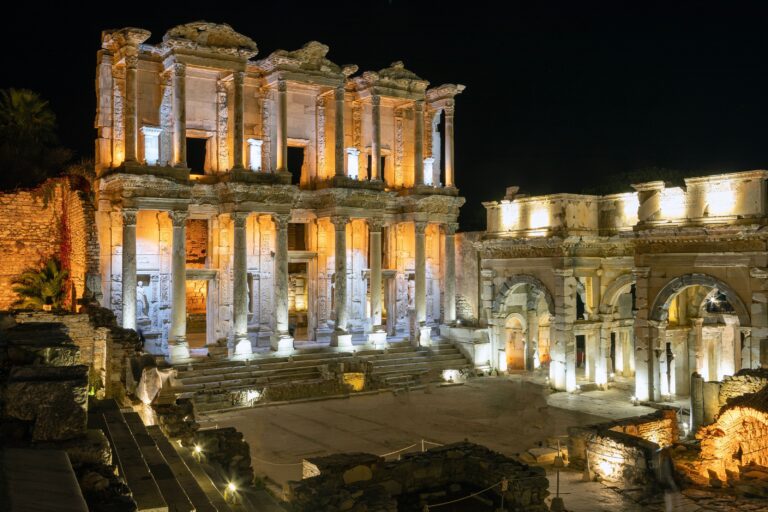
Who built the Library of Celsus?
Julius Aquila, a Roman consul, built the Library of Celsus in honor of his father, Tiberius Julius Celsus Polemaeanus, a former governor of Asia. Celsus is buried in a marble sarcophagus under the library, which was finished in the reign of Hadrian.
Who is the goddess on the arch of the Temple of Hadrian?
The bust on the keystone of the arch is Tyche, the goddess of fortune. The temple was built in the reign of Hadrian, together with the bath beside it. It was dug out in 1956 and rebuilt in 1957 and 1958 with its own stones.
Are the reliefs on the Temple of Hadrian original?
The upper reliefs on the temple are casts, copies made from the originals. The original panels are protected inside the Ephesus Archaeological Museum in Selçuk, so you can see both on one trip.