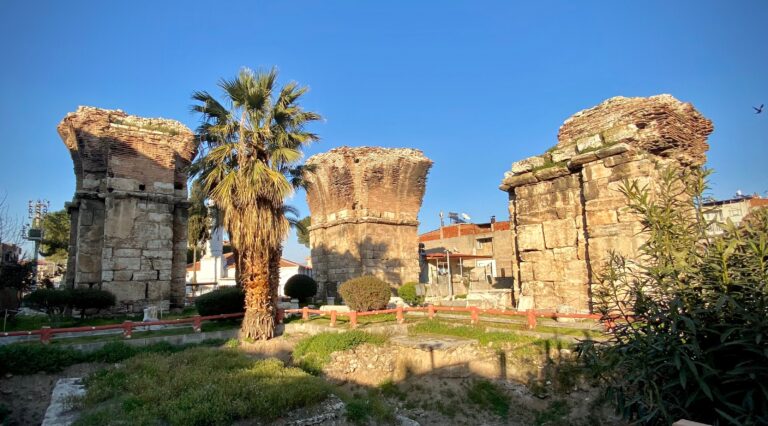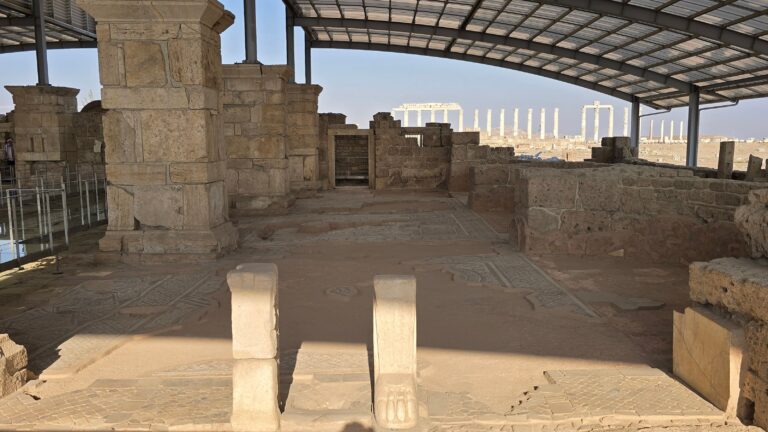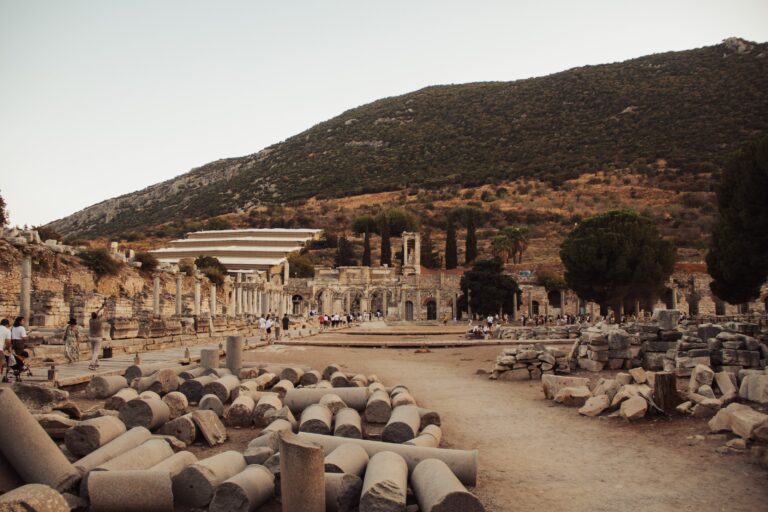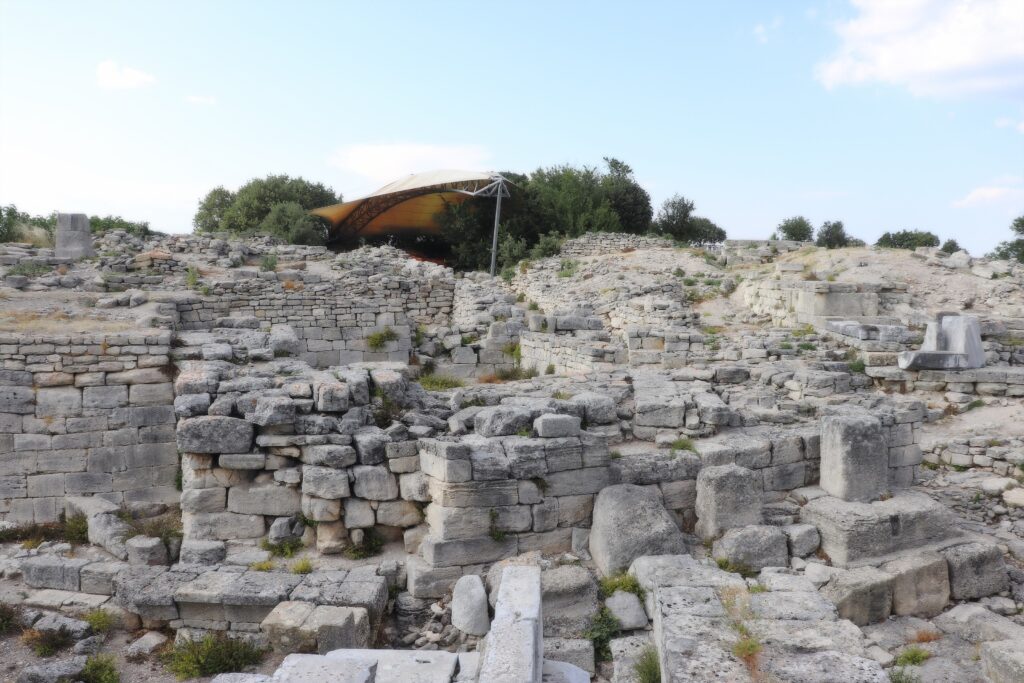
A three-centimeter clay mini pottery was found in the ancient city of Troy in Turkey.
Add Tours Around Turkey as a preferred source on Google
The mini heart found in Troy is a clay vessel only about three centimeters in size, made around 2,300 years ago in the Hellenistic period. It was probably a votive offering, a small gift left at a sacred place. At the time of the find, it was the smallest vessel ever dug up at Troy.
| Find | Clay vessel, about 3 centimeters |
|---|---|
| Age | About 2,300 years, Hellenistic period |
| Place | Ancient city of Troy, Çanakkale Province |
| Likely use | Votive offering |
Archaeologists are working to reach new findings in the ancient city, which is on the World Cultural Heritage List of the United Nations Educational, Scientific and Cultural Organization (UNESCO) and is known to have a historical past of 5,500 years.

Excavations in the area begun in the year 1871 by Heinrich Schliemann, then Wilhelm Dörpfeld, and Carl Blegen. Excavations have been going on for 160 years by local and foreign archaeologists. Troy remans to be one of the longest excavetd ancient ruins of the world!
Artifacts unearthed from Troy, where many archaeological discoveries have been made so far, are exhibited at the Troy Museum, which is right before the entrance of the ancient city.
Troy in the Hellenistic Period
The Hellenistic period is the time after Alexander the Great, before Roman rule took over. In the layers of Troy this is Troy VIII, the Greek city. By the 3rd century BC the place was turning into a sacred site, with a temple of Athena and altars where visitors left their gifts.
Hellenistic Troy was small but it carried the name of the Trojan War, and that name drew visitors. People came to pray at sanctuaries and left offerings for the gods and the old heroes.
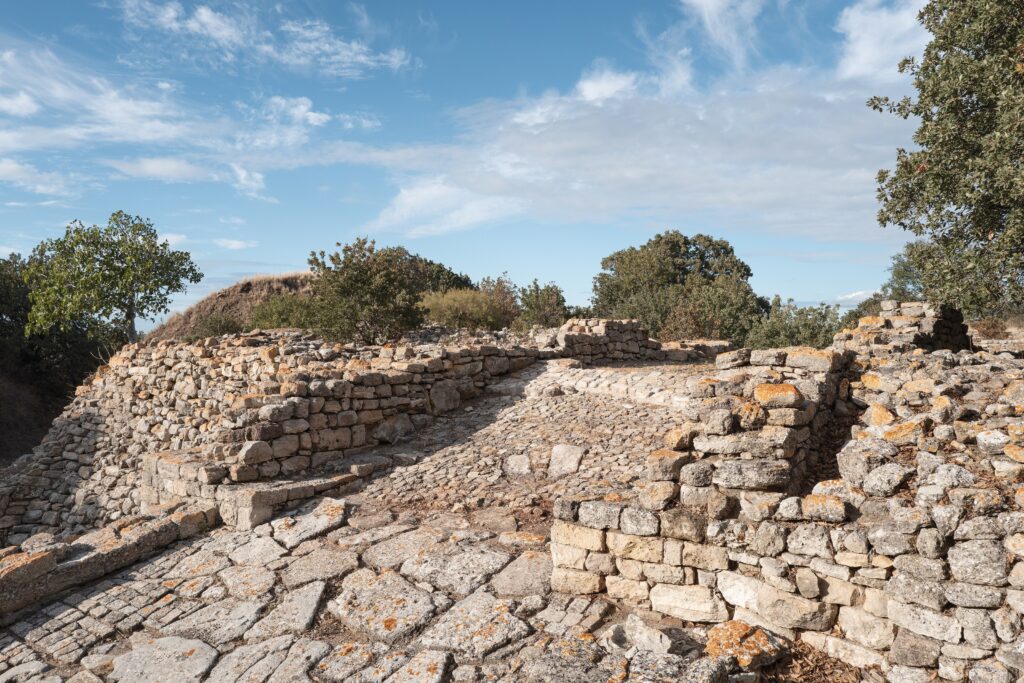
The big stone walls you see on a visit are much older, from the Bronze Age. The little pot comes from later city that grew on top of them. I wrote about the finds on show in my Troy Museum post.
Frequently Asked Questions
What is a votive offering?
A votive offering is a gift left at a sacred place to thank a god or ask for help. Rich people gave animals or costly gifts, while poorer visitors could leave a tiny clay pot like this one in their place.
Was Troy a Hellenistic city?
Yes. After Alexander the Great it was a small Greek city called Ilion. A Roman army destroyed it in 85 BC, and the city was rebuilt later under Roman rule.
Did Alexander the Great visit Troy?
Yes. Ancient writers say he stopped there in 334 BC, at the start of his campaign in Asia, to make offerings in the temple of Athena and at the tombs of the heroes of the Trojan War.
Hire Tour Guide in Troy, Turkey
You can learn and discover a lot more during your tour of Troy Ancient City in Turkey. Contact me to learn more about Troy and to book a private tour guide for Troy in Turkey.