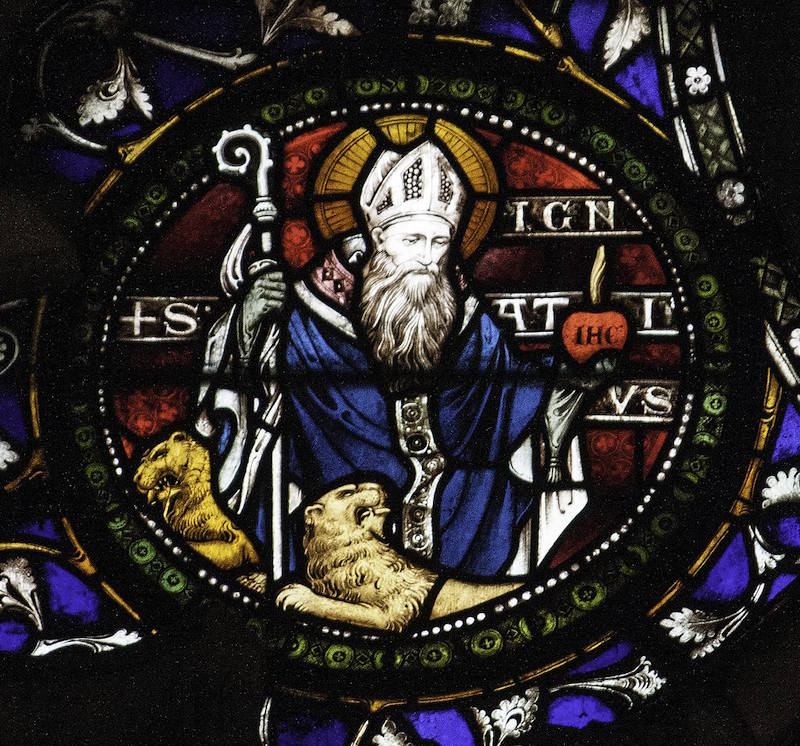
Ignatius of Antioch was a bishop of the early second century and one of the most moving figures of the apostolic age, a man who, on his way to be martyred in Rome, wrote a series of letters that are among the greatest treasures of early Christianity, including one addressed to the church of Ephesus.
He wrote seven letters in all. Four were written at Smyrna, today’s İzmir: to the Ephesians, the Magnesians, the Trallians and the Romans. Three were written at Troas on the Aegean coast: to the Philadelphians, the Smyrnaeans and to Bishop Polycarp. Six of the seven went to Christians in Asia Minor, the land where I live and guide.
Who Was Ignatius of Antioch
Antioch on the Orontes, the capital of Roman Syria, is Antakya in Hatay Province today, as I explain in my article on Antioch. Eusebius, church historian of the 4th century, calls Ignatius the second bishop of Antioch after Evodius, and in another place “second in succession to Peter”.
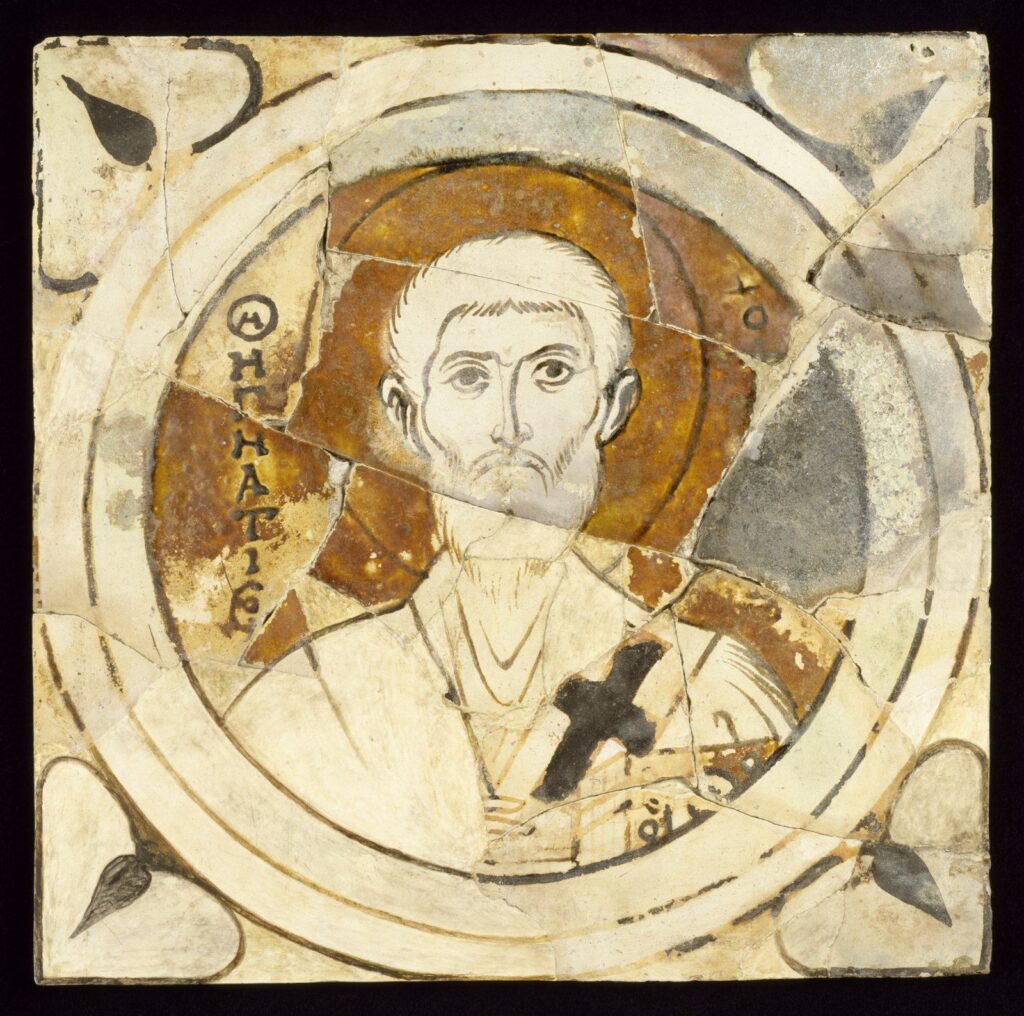
He also had a second name, Theophorus, “the God-bearer”, and he uses it in the first line of every letter. Tradition makes him and Polycarp disciples of Saint John, but his own letters do not mention about this. In fact, almost everything we know about him comes from the seven letters which he wrote on the road.
Journey of Ignatius to Rome
Arrested for his faith around 108 AD and sent under guard to die in the arena at Rome, Ignatius spent his final journey writing to the Christian communities he loved. He traveled through Asia Minor, stopping at Smyrna, where he was welcomed by Saint Polycarp, and from there he wrote his famous letters: to the Ephesians, the Magnesians, the Trallians, and others.
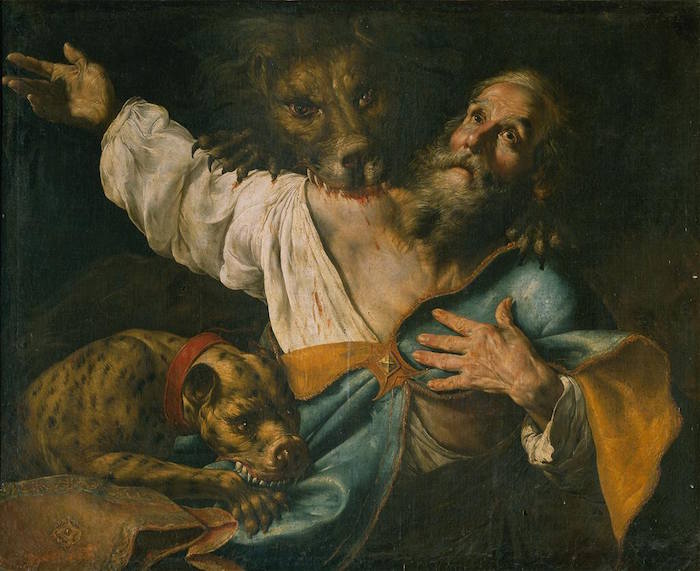
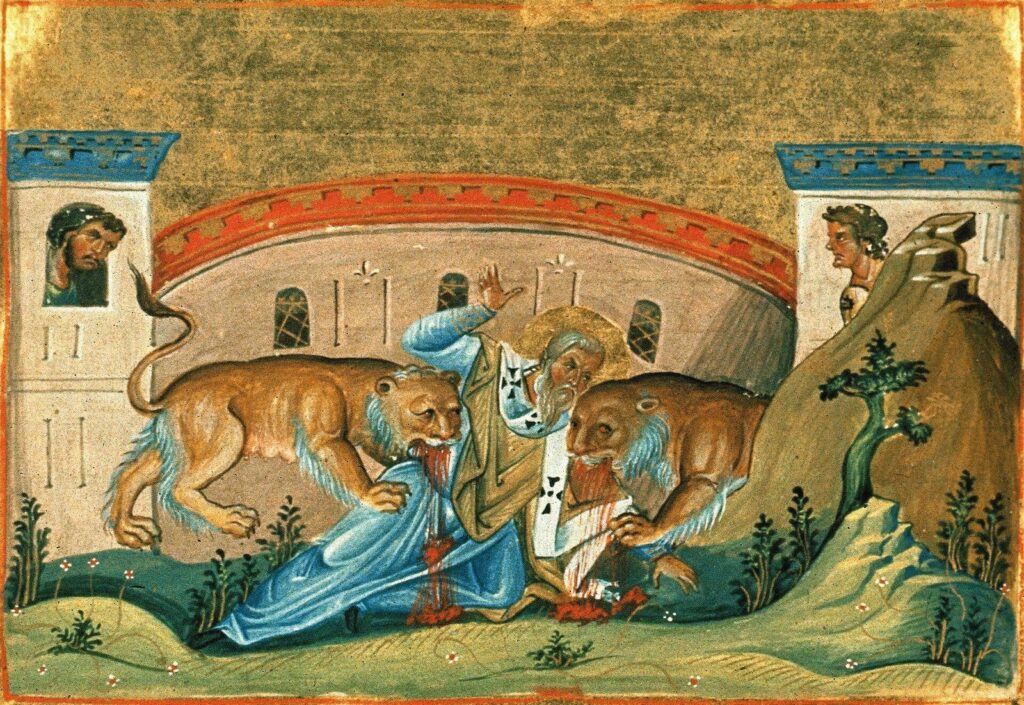
He did not travel alone. In his letter to the Romans he describes his guards with bitter humor: “From Syria even unto Rome I fight with beasts, both by land and sea, both by night and day, being bound to ten leopards, I mean a band of soldiers.”
Let’s have a look at the road. From his letters, scholars think he passed through Philadelphia, today’s Alaşehir, and then came to Smyrna. The road went around Magnesia, Tralles and Ephesus, so these churches sent their bishops and elders for meeting him in Smyrna. These were the roads which I describe in how the letters traveled between the Seven Churches.
From Smyrna soldiers took him north to Troas. There he had to “sail suddenly from Troas to Neapolis”, today’s Kavala in Greece, and then he passed through Philippi. It was the same sea road which Apostle Paul took on his first crossing to Europe (Acts 16:11).
Strange thing is how free he was. A chained prisoner received whole delegations, and he tells the Romans that the churches “have gone before me, city by city”. His letters are thank-you notes and warnings, written between two marches.
Seven Letters of Ignatius
Eusebius lists the seven letters of Ignatius of Antioch in this order. The first four were written at Smyrna and the last three at Troas:
- To the Ephesians (from Smyrna)
- To the Magnesians (from Smyrna)
- To the Trallians (from Smyrna)
- To the Romans (from Smyrna)
- To the Philadelphians (from Troas)
- To the Smyrnaeans (from Troas)
- To Polycarp, bishop of Smyrna (from Troas)
Three of the addresses are churches of the Book of Revelation: Ephesus, Smyrna and Philadelphia. Magnesia and Tralles were inland neighbors of Ephesus nearby the Maeander River. He wrote nothing to Pergamon, Thyatira, Sardis or Laodicea, at least nothing that survives.
For me, this is the exciting part. John’s letters show us these churches around 95 AD, by the usual dating, and Ignatius shows us some of them a little later, with bishops, elders and deacons. It is like a second photograph of the same family.
Letters Written in Smyrna
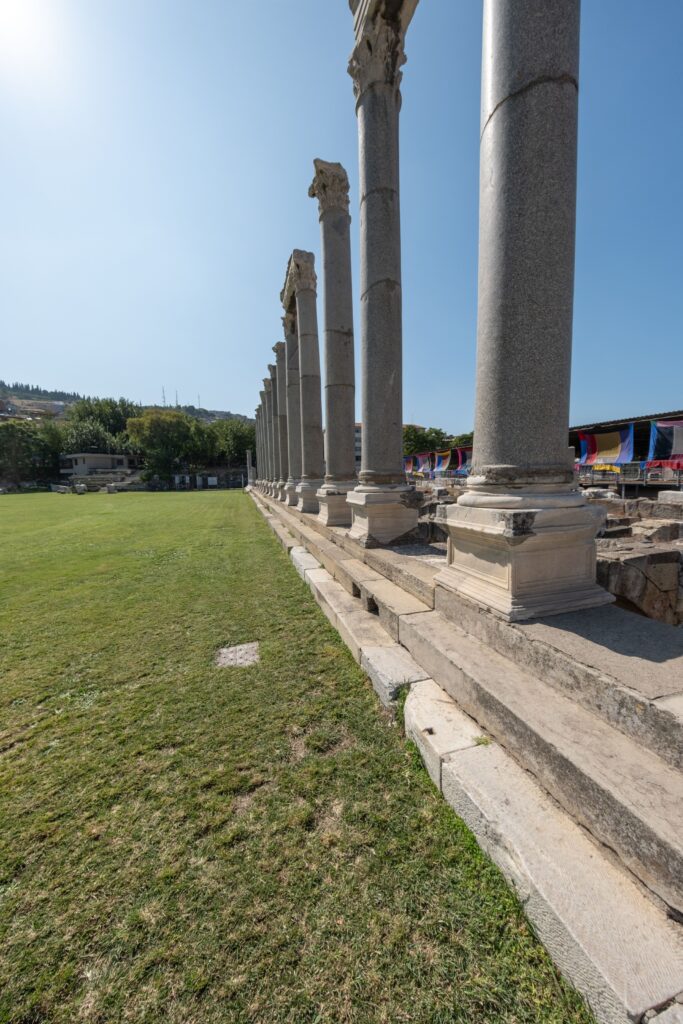
Smyrna was a rich harbor city, today it is İzmir, the third biggest city in Turkey. Here Ignatius stayed with Polycarp and received the visitors from the other churches. In the Agora of Smyrna you can still walk in the Roman market of the city.
Letter to the Ephesians
The letter to the Ephesians is longer than any of the others. Ephesus sent a whole group to Smyrna: Bishop Onesimus, the deacon Burrhus, and three more men called Crocus, Euplus and Fronto. Ignatius asked them to let Burrhus stay with him, and we will meet this deacon again in Troas.
Ignatius loved unity of this church. Their elders, he writes, are “attuned to the bishop, even as its strings to a lyre”, and in their harmony “Jesus Christ is sung”. He also calls the bread of the Eucharist “the medicine of immortality, and the antidote to prevent us from dying”.
“You are the persons through whom those pass that are cut off for the sake of God,” he writes to Ephesus, and right after that he names Apostle Paul. John had warned the Ephesians that they had “left thy first love” (Revelation 2:4). Ignatius praises them for holding firmly to their bishop and to the teaching of the apostles.
To me, it reads like a reply to Revelation. The community had received the rebuke and, in some measure, had answered it. The lampstand had not been removed. Read the older letter in my article on the letter to the church of Ephesus in Revelation.
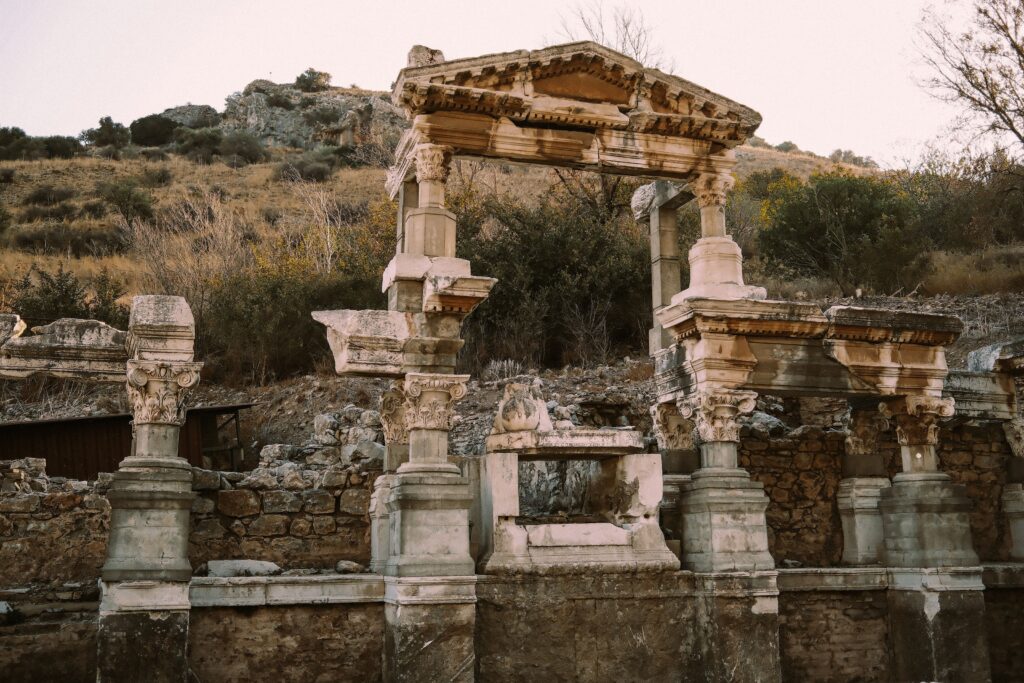
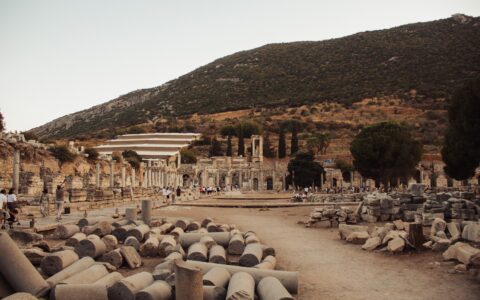
By the way, when we walk down Curetes Street in Ephesus Ancient City, we pass the Fountain of Trajan, named after the emperor in whose reign tradition places the death of Ignatius. Later in the same century another bishop of the city, Polycrates of Ephesus, listed with pride the great Christians who rested in Asia, among them John and Polycarp.
Letters to the Magnesians and Trallians
Magnesia on the Maeander and Tralles are both in Aydın Province, the same province as Kuşadası, where I live. The ruins of Magnesia ad Maeandrum are near Tekin village in Germencik, and Tralles is the ancient name of Aydın. Both churches sent people to Smyrna, and Ignatius answered each of them with a letter.
Magnesia sent its bishop Damas, two elders named Bassus and Apollonius, and the deacon Zotion. Damas was a young man, and Ignatius asks the church “not to presume upon the youth of your bishop”. In the same letter he uses a new word, “Christianity”. It is one of the earliest uses of this word that we know.
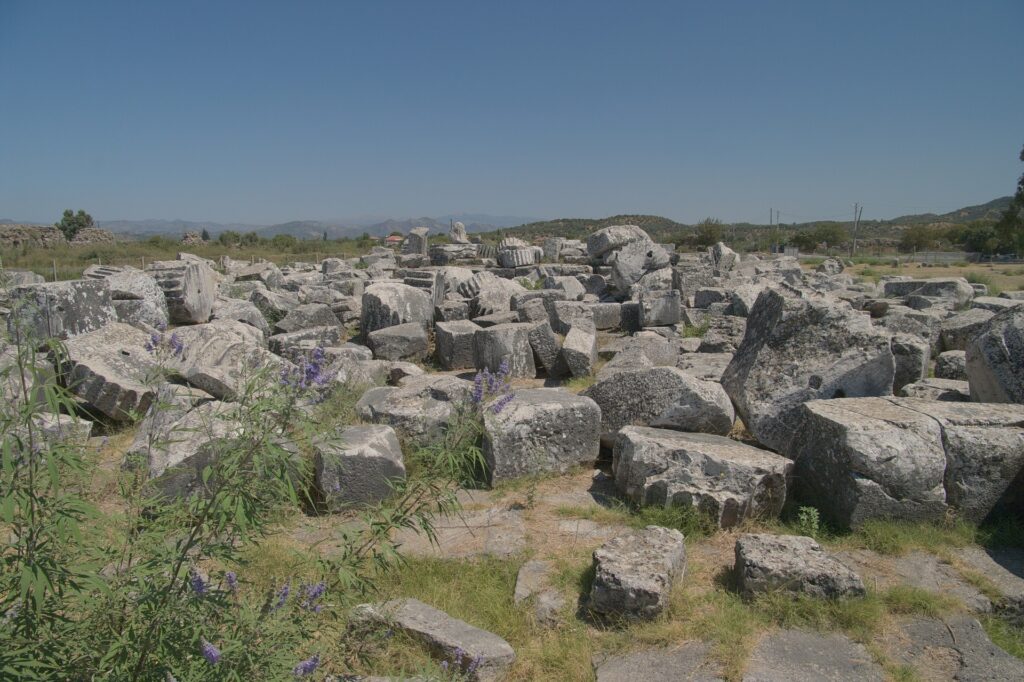
Tralles sent only its bishop, Polybius, and Ignatius writes that in this one man he saw the whole church. Then he turns against those who taught that the suffering of Christ was only a show: “then why am I in bonds? Why do I long to be exposed to the wild beasts?” For him, his own chains were the proof.
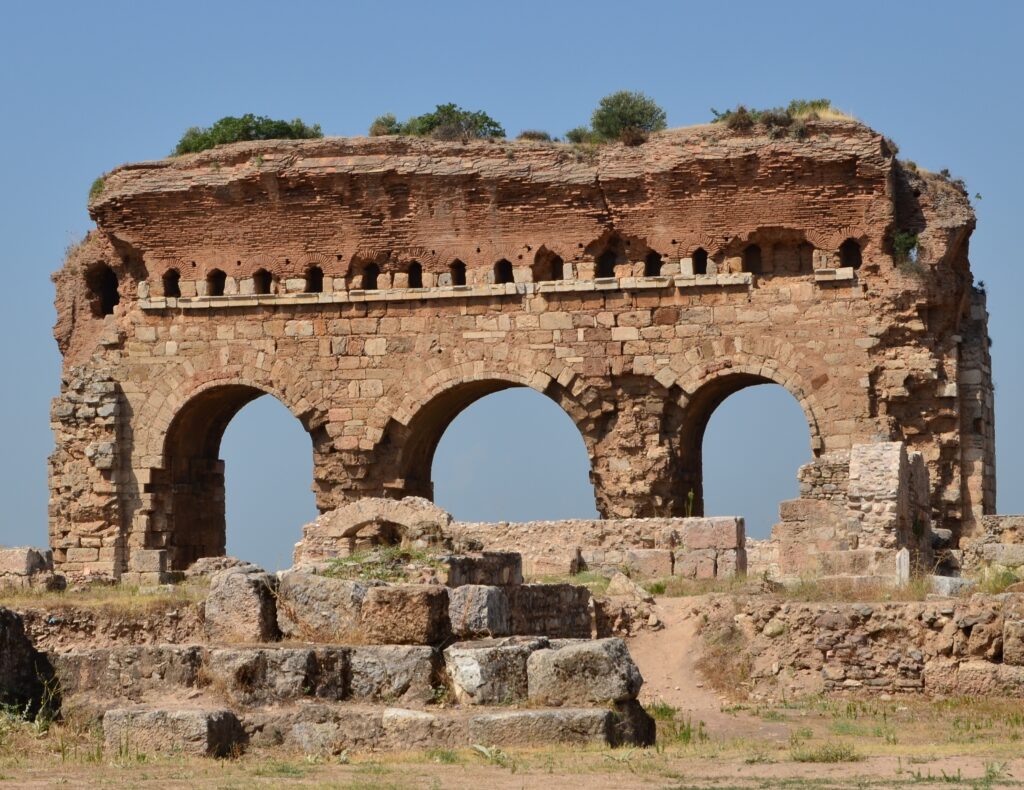
Ruins of Tralles are laying on a high plateau north of the city. The three big arches called Üç Gözler belong to a gymnasium of the 2nd century, and they are the only building there still standing. See my article on places of interest in Aydın.
Letter to the Romans
The letter to the Romans is different from the others. It gives no advice about bishops and elders. It is a request. Ignatius was afraid that the Christians of Rome would try to save him, and he begged them not to: “I beseech of you not to show an unseasonable good-will towards me.”
He calls himself “the bishop of Syria”, sent for “from the east unto the west”, and he adds about Peter and Paul: “They were apostles; I am but a condemned man.” He wrote it in Smyrna, sent it “by the Ephesians” and even gave the date, the ninth day before the Kalends of September, so late August.
Letters Written in Troas
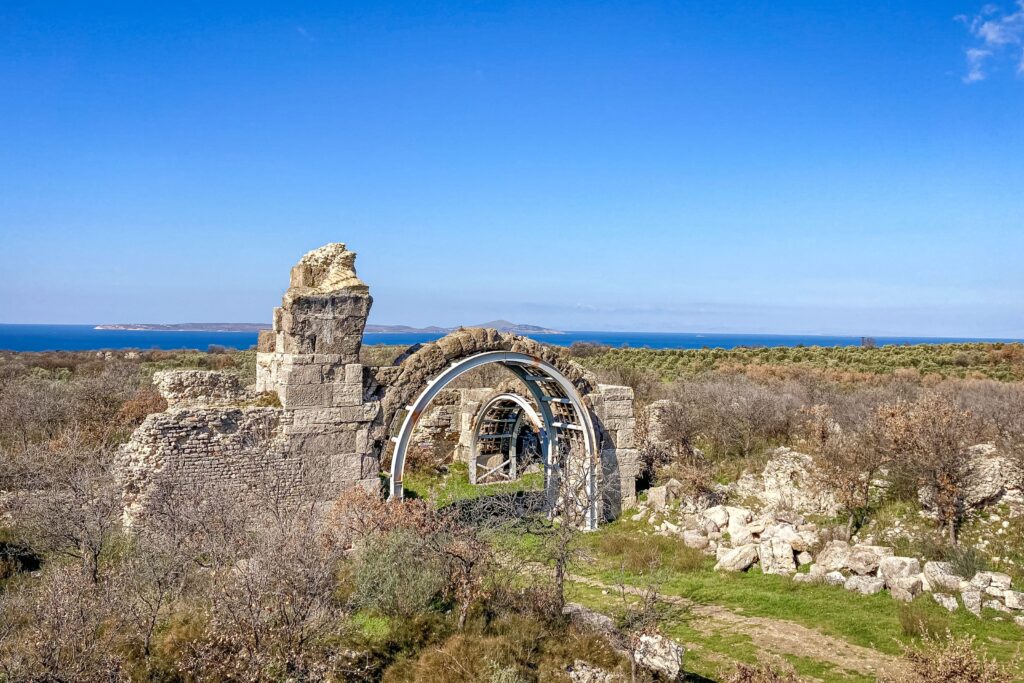
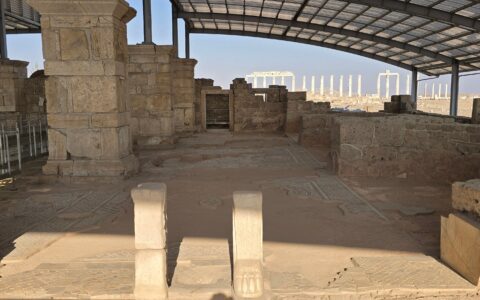
Alexandria Troas was a port on the Aegean coast, and its ruins lie southeast of the village of Dalyan in the Ezine district of Çanakkale. Apostle Paul sailed from here to Europe, as I tell in cities visited by Apostle Paul in Asia Minor.
At Troas good news reached Ignatius: his church at Antioch was “at peace”. He asked the Philadelphians and Polycarp to send a messenger to Antioch for rejoicing with his people. Then he wrote his last three letters “by the hand of Burrhus”, the deacon whom Ephesus and Smyrna had sent with him.
Letter to the Philadelphians
Ignatius had visited Philadelphia on the way. He reminds them: “when I was among you, I cried, I spoke with a loud voice: Give heed to the bishop, and to the presbytery and deacons.”
Was the church divided? He writes, “Not that I have found any division among you, but exceeding purity.” Still, he warns them against anyone who “follows him that makes a schism”, and he praises their bishop, a quiet man who “by his silence is able to accomplish more than those who vainly talk”.
Here we find his strongest words on the Eucharist: “Take heed, then, to have but one Eucharist. For there is one flesh of our Lord Jesus Christ, and one cup to show forth the unity of His blood; one altar; as there is one bishop.” One table, one bishop, one church in each town.
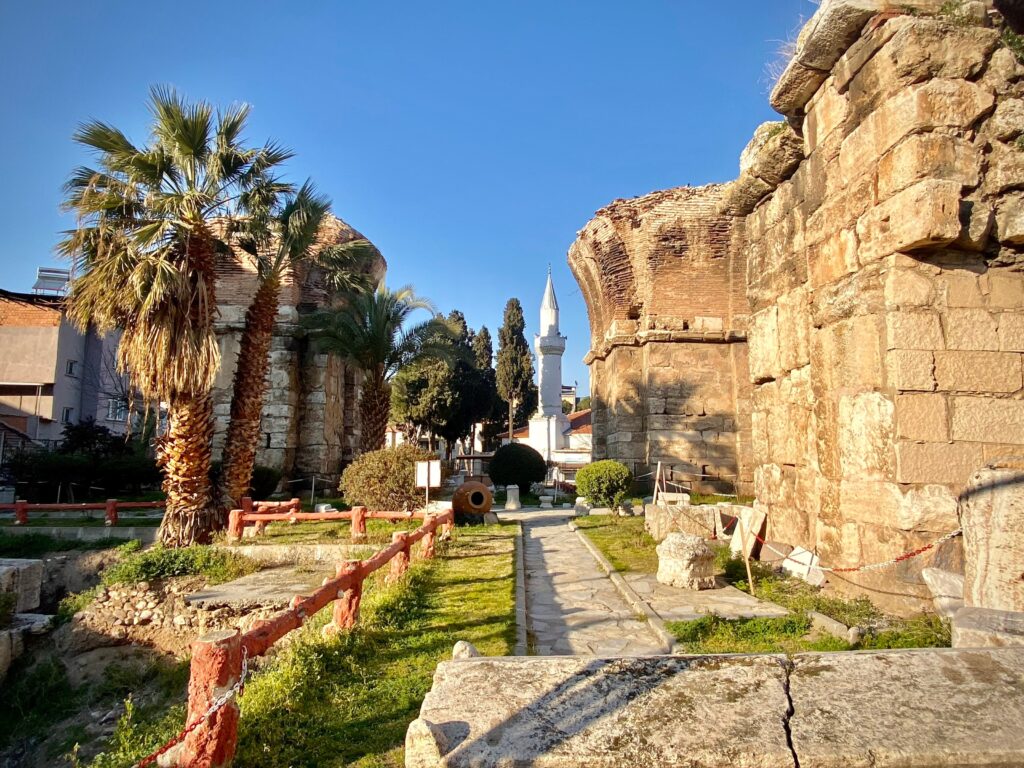
John’s letter had given this church “an open door” and “a little strength” (Revelation 3:8). Ignatius found a faithful church, but with new arguments inside. Communities persecuted by outsiders sometimes hold together better than communities which grow in peace. This is, I think, one of the most realistic pictures of early Christian life that we have. More in The Church of Philadelphia: The Open Door of Asia Minor.
Letter to the Smyrnaeans
The letter to the Smyrnaeans is short, but full of theology. Some teachers in the region said that Jesus had not really suffered in the body, and that the cross was only an appearance. Church historians later called them as Docetists, from the Greek word for “to seem”. Ignatius answers them again and again with one word: truly.
Christ, he writes, “was truly born of a virgin”, and He was truly nailed to the cross under Pontius Pilate and Herod the tetrarch. “And He suffered truly, even as also He truly raised up Himself.” The flesh was real, the cross was real and the blood was real.
He adds that these teachers “abstain from the Eucharist and from prayer, because they confess not the Eucharist to be the flesh of our Saviour Jesus Christ”. Christians who believe in the real presence of Christ in the Eucharist also quote this line too.
False teachers were not new here. John had already warned Pergamon against “the doctrine of the Nicolaitans” (Revelation 2:15), but in the time of Ignatius the danger had a different face.
Then comes the most famous sentence of all, in chapter 8 of the letter to the Smyrnaeans: “Wherever the bishop shall appear, there let the multitude [of the people] also be; even as, wherever Jesus Christ is, there is the Catholic Church.” This is the oldest surviving use of the words “catholic church” in Christian writing.
For Ignatius, “catholic” meant universal, the whole church, compared with the local church of Smyrna. So the phrase was born in a letter from a chained prisoner to the Christians of today’s İzmir, the same church which John had told, “be thou faithful unto death” (Revelation 2:10).
Letter to Polycarp
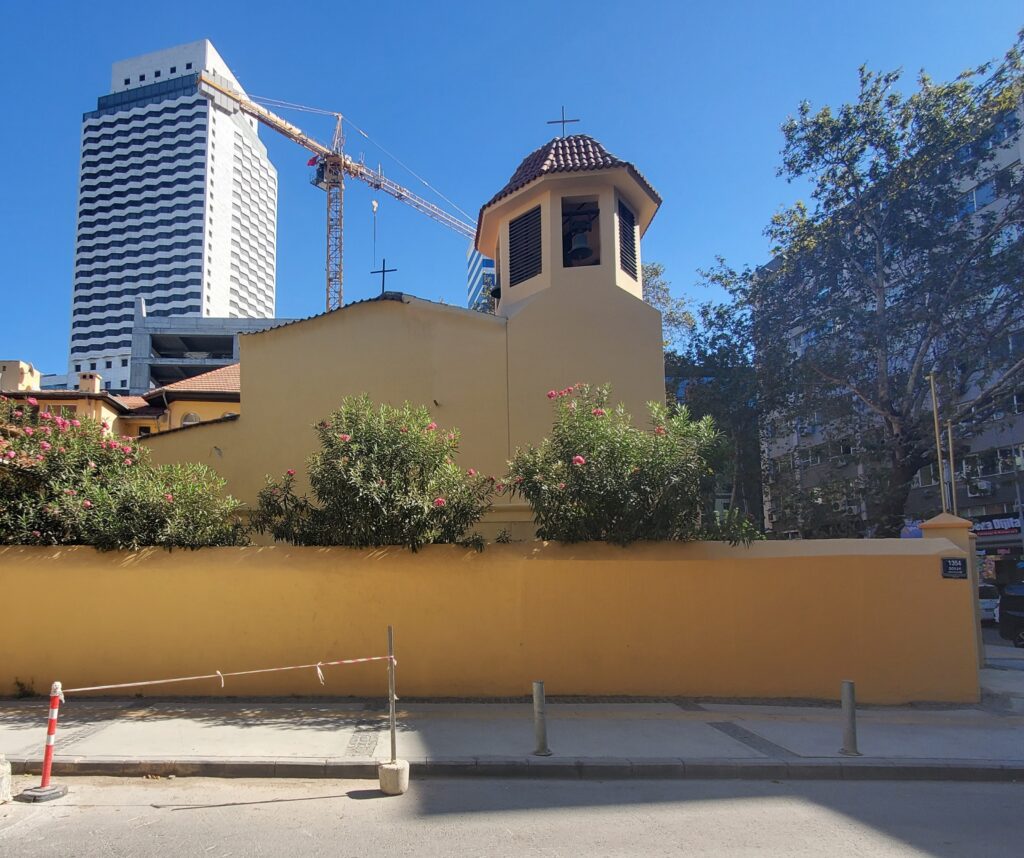
The letter to Polycarp is the only one of the seven written to a person, not to a church. Polycarp had been his host in Smyrna a short time before. Ignatius writes to the younger bishop like an older brother.
“Speak to each man severally.” “Let not widows be neglected.” “Every kind of wound is not healed with the same plaster.” I like this last one very much. Every guide and every teacher knows it is true.
There is one sentence in this letter which I love particularly: “Stand thou firm, as an anvil when it is smitten. It is the part of a great athlete to receive blows and be victorious.” An anvil does not move when it is struck. It takes the blow and stays in its place. For Ignatius, this was the picture of a Christian leader under pressure.
Later Polycarp sent the letters of Ignatius which he had to the church of Philippi. Decades after, he himself died for his faith in the stadium of Smyrna, and I like to think he remembered the anvil that day. I tell his story in my article on Saint Polycarp of Smyrna.
Bishop, Eucharist and Martyrdom
His letters reveal a Church already gathered around its bishops and its shared Eucharist, and a faith of astonishing courage. Facing the wild beasts, Ignatius wrote that he was “God’s wheat,” to be ground into pure bread for Christ. He embraced his death with a serenity that has inspired Christians ever since.
Ignatius is the earliest Christian writer we know who insists on one bishop in each city, helped by elders and deacons. To the Magnesians he writes that the bishop “presides in the place of God”. Earlier writings speak of bishops or of elders, but not of this three-fold order. For this reason some Protestant scholars once doubted his letters.
His wish for martyrdom is harder to understand for modern reader. “Allow me to become food for the wild beasts,” he writes to Rome. But his logic is clear. He believed his death would be a share in the death of Christ, and that “he who is near to the sword is near to God”.
As bishop of Antioch he had broken the bread of the Eucharist for many times. Now his own body would be broken in the arena, a small echo of the same offering. In Turkish we would say “buğday gibi öğütülmek”, to be ground like wheat. Later in the same century Irenaeus of Lyon quoted this wheat line in his own book.
I do not say that this is the only Christian way to face death. The church of Smyrna, telling the martyrdom of Polycarp, even wrote: “we do not commend those who give themselves up [to suffering], seeing the Gospel does not teach so to do.” Ignatius walks at one edge of a wide road. Why Christians were arrested at all, I explain in persecution of early Christians in Asia Minor.
What Survives of the Letters of Ignatius
The letters survived because people copied them. Polycarp gathered the ones he had, Irenaeus quoted a line, and in the 4th century Eusebius named all seven. Later writers expanded and imitated them, so today scholars speak of three forms of the text.
The long recension has the seven letters with many additions, plus six more letters forged in the 4th century. The short recension is a Syriac version of only three letters: to the Ephesians, to the Romans and to Polycarp. The middle recension has the seven letters as Eusebius listed them.
In the late 19th century the English bishop J. B. Lightfoot and the German scholar Theodor Zahn showed that the short Syriac form is a summary of the middle one. Since then most scholars read the middle recension as the real letters. The oldest Greek manuscript of six of them is from the 11th century and is kept in Florence.
A group of scholars, many of them in Germany, still argues that the letters were written later in the 2nd century. For me, this does not change their value. They are among the earliest Christian writings outside the New Testament, and they were written on the roads of my country.
Letters from the Road
Let me leave you with one picture, as I like to imagine it. It is evening in Troas. An old prisoner sits by a small clay lamp, and the soldiers are eating outside. Ignatius speaks slowly, and Burrhus, the deacon from Ephesus, writes on papyrus. The letter is for the Christians of Philadelphia. Soon the ship will leave for Neapolis.
The papyrus is lost, but the copies traveled for nineteen hundred years. Not abstract theology. Letters from the road, by lamplight, written quickly because the soldiers are about to move. Most of what we beleive in today has come down to us through nights like that.
Frequently Asked Questions
How many letters did Ignatius of Antioch write?
Seven letters are accepted as his: to the Ephesians, Magnesians, Trallians, Romans, Philadelphians and Smyrnaeans, and one to Polycarp. He wrote the first four at Smyrna and the last three at Troas. Six more letters carry his name, but scholars agree that they were forged in the 4th century.
How did Ignatius of Antioch die?
He was condemned to the wild beasts and taken under guard to Rome. Eusebius reports that he “became food for wild beasts on account of his testimony to Christ”. Tradition places his death in the reign of Emperor Trajan, and later tradition names the Colosseum as the place.
Why are the letters of Ignatius not in the Bible?
They were written after the time of the apostles by a bishop, and Ignatius himself said he did not command like Peter and Paul. The early church read his letters with respect but did not count them in the New Testament. Today they belong to the collection called the Apostolic Fathers.
When is the feast day of Saint Ignatius of Antioch?
The Catholic Church, the Church of England, the Episcopal Church and the Lutheran churches remember him on October 17, which was already his feast day in Antioch long ago. The Eastern Orthodox Church keeps his feast on December 20.
Hire Biblical Tour Guide in İzmir and Ephesus
That Ignatius wrote a letter to Ephesus, the city I guide most often, always gives me a quiet thrill. To explore early Christian Ephesus with a licensed guide, find me at toursaroundturkey.com.
I am a licensed tour guide based in Kuşadası, and my day guiding covers Ephesus, İzmir and Pamukkale. In İzmir we can visit the Agora of Smyrna and the Church of Saint Polycarp, and in Ephesus we can walk the streets which Onesimus and Burrhus knew. For longer journeys, my national license lets me join you as your personal guide. Please see my guiding rates and guiding areas.
I hope we will see each other in Smyrna and Ephesus and read a few lines of Ignatius together, where his friends once lived. You can always write to me to ask your questions about the early Christians of Asia Minor. See you soon, Hasan Gülday.