Ephesus history runs for about 3,000 years, from the first Ionian Greek settlers around 1000 BC to the Turkish town of Selçuk today. In between came Lydian, Persian, Hellenistic, Roman and Byzantine rule. The city also moved more than once, and that is the key to its story.
In the founding legend, Androclos, the son of Kodros, the King of Athens in the 1000s BC, wants to establish a new city in the Aegean, and they set sail to find a suitable place in the Aegean. They anchor in a cove with green shores, many islands, and flat lands behind it. They want to establish a city here, but due to the beliefs of that period, they have to get approval from the oracles, and the gods believed to have communicated through them for the city they want to establish. He sends one of Androclos’ friends to the city of Delphi, to a holy temple. The oracles prophesy and said, “When the fish jumps and the pig escapes, you will know that the city you need to build is the right city.” The man who returned after this prophecy reports this to Androclos.
In the intervening few days, while Androclos and his friends are frying the fish they caught, the oil in the pan explodes, the fried fish in the pan splash, and the fire that jumps around with the fish sets the surrounding bushes on fire. The pig, hiding behind the bushes, starts to run away, afraid of the fire. As a result of all these, the prophecy given by the oracle comes true and the foundations of Ephesus are laid.
From the prehistoric times, including the Archaic, Hellenistic, Roman, Byzantine, Seljuk, Aydınoğulları, Ottoman, and modern periods, life in Ephesus continued regularly without any pause. In all these periods, Ephesus was called by different names. Apasa, Alope, Arsinoe, Ortygia, Amorge, Smynra Trakhia, Haimonion, Ptelia, Hagiog Theologos, Ayasuluk, Viranşehir, Akçaabad and Akıncılar are the names used for Ephesus so far.

During all periods of Ephesus, Ephesus was the center stage of several wars. There has never been a period of peace which exceeds a century. The city has always found itself in the middle of wars due to the attacks of nations such as the Hittites, then the Ions, Cimmerians, Lydians, Persians, Ancient Greece, Sparta, Alexander the Great, the Roman Empire, Goths, and Arabs to this city. Despite all these wars, Ephesus has survived to this day and has left a great historical legacy.
Timeline of Ephesus History
The history of Ephesus has seven main periods. Let’s have a look at them one by one. My post on the 10 most important cornerstones in Ephesus history adds more turning points.
- Ionian Greeks, about 1000 BC: settlers from Athens found the city, and Ephesus becomes one of the twelve cities of the Ionian League.
- Lydians, about 560 BC: King Croesus attacks the city, and later he helps to pay for the great Temple of Artemis.
- Persians, from the 540s BC: Persian governors rule Ephesus, and in 356 BC the temple of Artemis burns down.
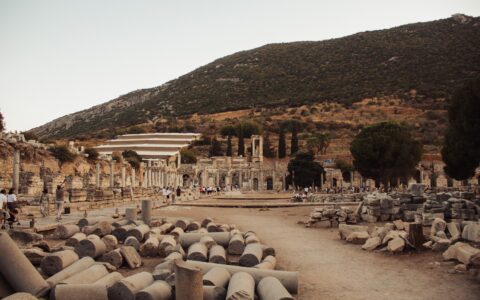
- Hellenistic, from 334 BC: Alexander the Great frees the city, and King Lysimachus builds a new Ephesus around 290 BC.
- Roman, from the late 100s BC: Rome takes over, and Augustus makes Ephesus the capital of the province of Asia in 27 BC.
- Byzantine, from AD 395: Ephesus is a Christian city, with the Council of 431, and Emperor Justinian builds the Basilica of Saint John.
- Ayasuluk and Selçuk, from the 600s to today: the town moves up the hill, the Turks come, and the name Selçuk is used from 1914.
Why Did the City of Ephesus Keep Moving?
The city moved because the river kept filling its harbor with silt. The river is the Küçük Menderes today and Kaystros in ancient times, and the sea was always going away from Ephesus.
The old harbor became a marsh, people got sick with malaria. King Lysimachus decided to build a new city about two kilometers away, between two hills, and he closed it in with a long wall. It is said that he blocked the sewers during a heavy rain, so the water flooded the old houses and the people moved to the new city. For a short time the new city was even called Arsinoe, after his wife.
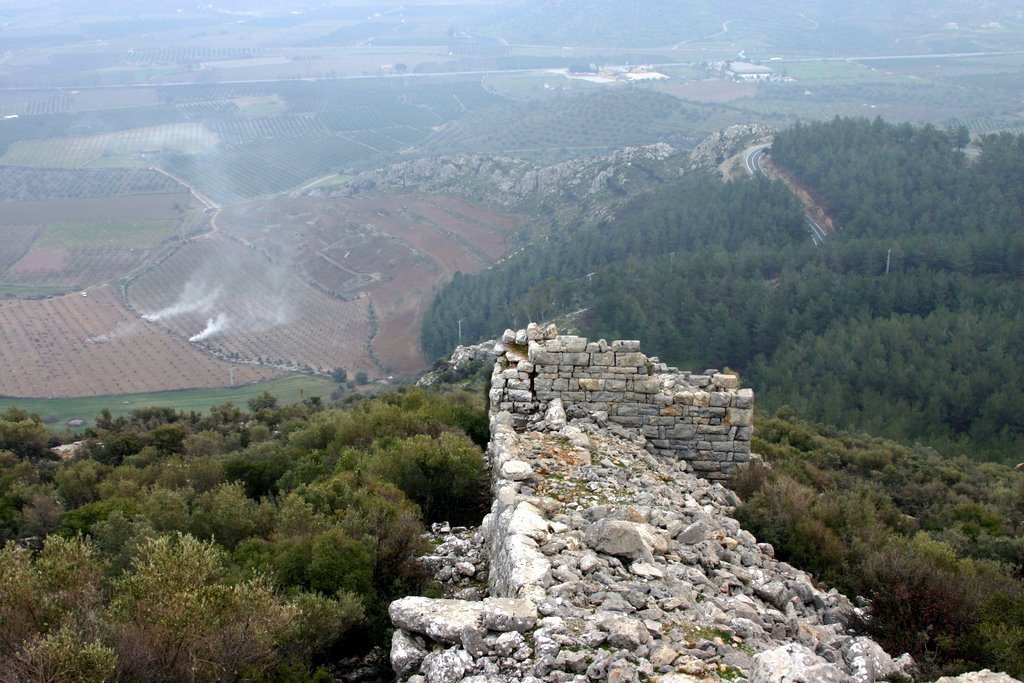
The silt did not stop. Today old harbor lies about five kilometers from the sea. After the Arab raids of the 600s and early 700s, the people went back up to Ayasuluk Hill, where the story had started. You can read more about the two older periods in my post Roman Ephesus vs Hellenistic Ephesus.
Ayasuluk and Selçuk After Ephesus
After the old city emptied, life went on at Ayasuluk Hill, which is part of Selçuk today. The Byzantines called the town Hagios Theologos, after Saint John the Theologian, and the Turks later turned this name into Ayasuluk.
In the early 1300s the Turkish Aydınoğulları took the town, and in 1375 they built the Isa Bey Mosque, which stands nearby the Basilica of Saint John. Later the Ottomans took over, and in 1914 Ayasuluk was renamed Selçuk, after the Seljuk Turks.
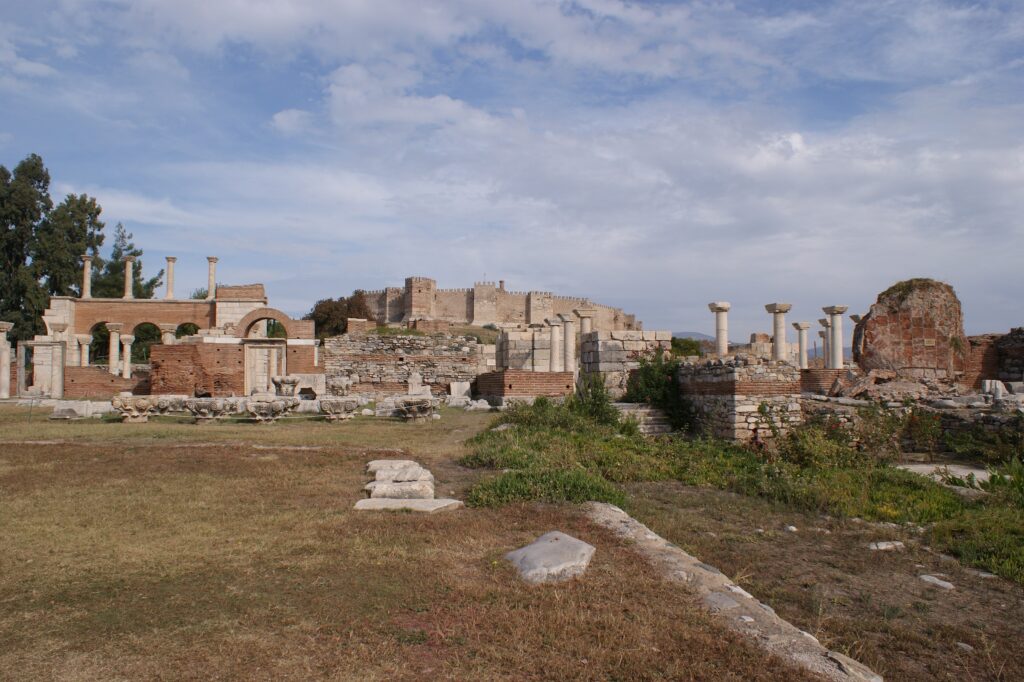
By the way, a Byzantine basilica, a Turkish mosque and a medieval fortress stand on the same hill, and I tell the story of it in my post Ayasuluk Hill Nearby Ephesus. Selçuk is a small town of farms, markets and storks today, and the ruins of Ephesus are a few minutes away by car.
Frequently Asked Questions
How old is Ephesus?
People lived around Ephesus as early as 6000 BC, and the Greek city was founded about 1000 BC. So Ephesus is about 3,000 years old as a city, and people lived in the area for thousands of years before that.
Why was Ephesus abandoned?
The river filled the harbor with silt, so sea went away from the city and trade died. Malaria, earthquakes and Arab raids made it worse. By the 1400s the old city was empty, and the people lived on Ayasuluk Hill.
Who founded Ephesus?
In the legend it was Androclos, a prince of Athens, about 1000 BC. Around 290 BC King Lysimachus, a general of Alexander the Great, moved the city to the place where the ruins stand today.
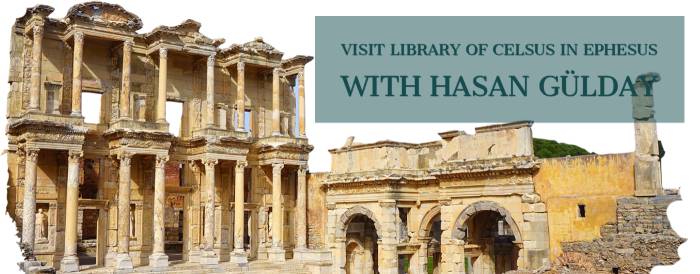
Come and visit Ephesus to unravel the history and importance of this city with me. See you soon, Hasan Gülday.


1 comment