These 23 Turkish phrases cover the basics for a trip to Turkey: greetings, introductions, food, prices, time and hotels. The easiest ones to start with are merhaba for hello and teşekkür ederim for thank you. Local people are usually happy when a guest tries even a few words.
- Merhaba – Hello
- Nasılsın? – How are you?
- Teşekkür ederim, iyiyim. – Thank you, I am good.
- Benim adım [name] – My name is [name]
- Ne yapıyorsun? – What are you doing?
- İstanbul’da yaşıyorum. – I live in Istanbul.
- Senin adın ne? – What is your name?
- Ne yapmak istersin? – What do you want to do?
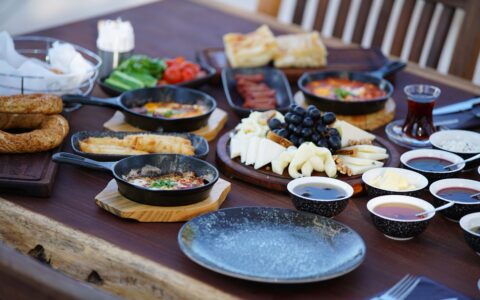
- Bir şeyler yemek istiyorum. – I want to eat something.
- Burada nerede bir lokanta var? – Where is there a restaurant here?
- Hangi dil(ler)i konuşursun? – What languages do you speak?
- Sadece İngilizce konuşabilirim. – I can only speak English.
- Ne zaman Türkiye’ye gelmek istersin? – When do you want to come to Turkey?
- Bu ne kadar? – How much is this?
- Para birimi nedir? – What is the currency?
- Türk lirası. – Turkish lira.
- Saat kaç? – What time is it?
- İstanbul’da nerede kalabilirim? – Where can I stay in Istanbul?
- Bir otel önerir misin? – Can you recommend a hotel?
- [Tarih] tarihinde [yer]e gideceğim – I will go to [place] on [date]
- İyi geceler – Goodnight
- Güle güle – Goodbye
- Hoşça kalın – Take care

Turkish Pronunciation Tips for Beginners
Turkish has 29 letters, and only a few of them look strange to English readers. Here are ones to practice first.
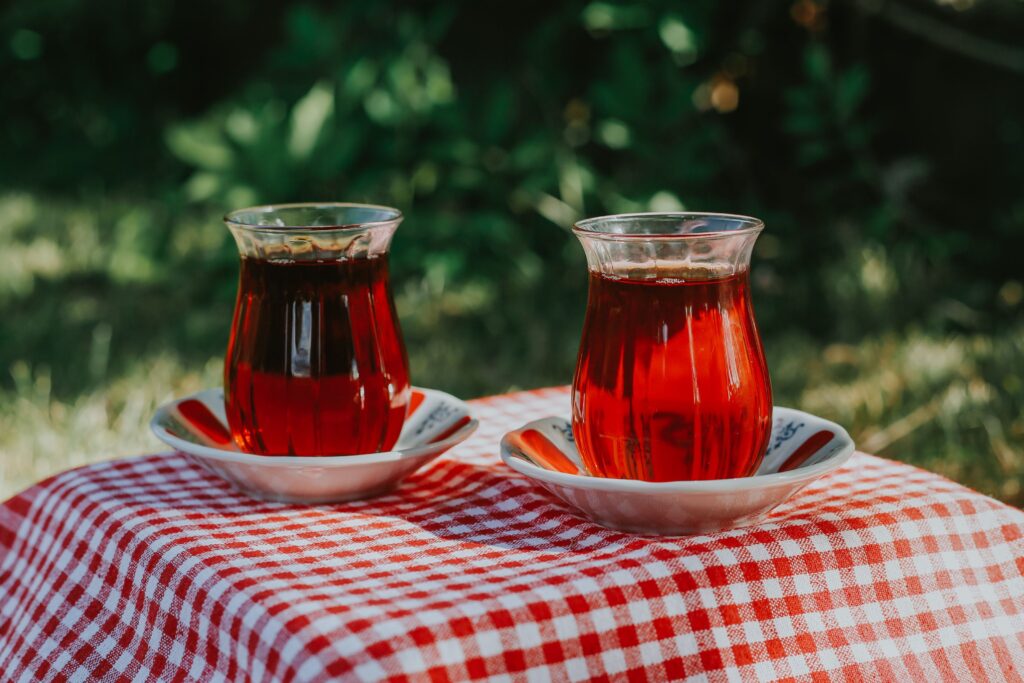
- ç is like ch in chair, as in çay, the Turkish word for tea.
- ş is like sh in show, as in teşekkür.
- c is like j in jam, never k or s.
- ğ is mostly silent. It makes the vowel before it a little longer.
- ı, the i without a dot, is a short flat uh, close to the last sound in taken.
- İ with a dot and I without a dot are two different letters, which is why the city is written İstanbul in Turkish.
- ö is like u in nurse said with round lips, and ü is like ee said with round lips.
Goodbye and Polite Words in Turkish
When two people part, the one who leaves says hoşça kalın and the one who stays usually says güle güle. Two more small words are worth learning: lütfen for please and afiyet olsun, which people say to somebody at a meal.
I recommend my guests to try these words in a shop, on a street and at a restaurant. Do not worry about mistakes, because people in Turkey will help you with right word. For more everyday sayings, read my post about the most used Turkish idioms.
Frequently Asked Questions
How do you say thank you in Turkish?
Teşekkür ederim is the polite way, and teşekkürler is the shorter form. Friends often say sağ ol. People answer with rica ederim, which means you are welcome.
How do you say hello in Turkish?
Merhaba works at any time of day. In the morning you can also say günaydın, which means good morning, and with friends you can say selam.
Is Turkish hard to pronounce?
Not really. Turkish spelling is very regular, so each letter keeps one sound. Only a few letters, such as ı, ğ, ö and ü, need some practice.