The Nicolaitans were a mysterious early Christian sect condemned in the Book of Revelation — and condemned, strikingly, in the letters to two of our own cities here in Asia Minor: Ephesus and Pergamon. They are one of those tantalising names that the Bible mentions and then leaves us to wonder about, and over the years I have found that few subjects spark more curiosity among my pilgrim guests than this small, shadowy group from the very dawn of the Church.
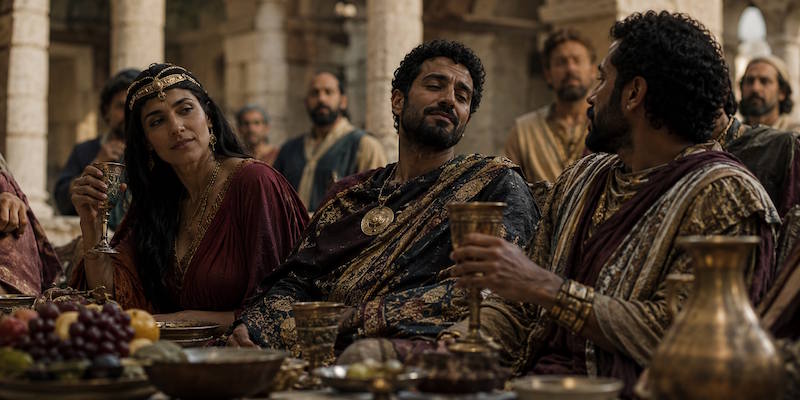
In Revelation, the risen Christ praises the church of Ephesus because he “hates the deeds of the Nicolaitans,” and warns the church of Pergamon against those who “hold the teaching of the Nicolaitans.” Exactly what they taught is uncertain, but the early Church writers describe them as a loose, indulgent group who blurred the line between Christian freedom and the immorality and idol-worship of the pagan world around them. In other words, they were less a band of dangerous rebels than a soft and seductive compromise — the temptation to follow Christ on Sunday and the old gods on every other day of the week.
So what did the Nicolaitans actually believe? Early writers such as Irenaeus paint them as a people who twisted the new freedom of the Gospel into an excuse for the flesh — eating food that had been sacrificed to idols, and living loosely in a way the apostles had warned against. Some scholars connect them to the figure of Balaam mentioned in the very same passage of Revelation, and even read the two names as carrying a similar meaning of “conquering the people.” Whether they were a true organised sect with their own teachers, or simply a label pinned on Christians who had grown too comfortable with pagan ways, we cannot say for certain — and that very mystery is part of what makes them so endlessly intriguing.


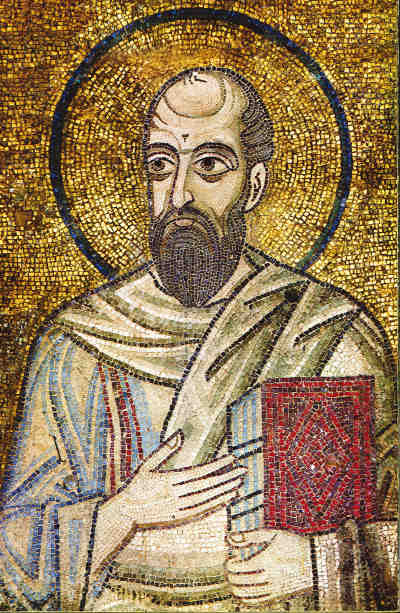
Some ancient writers linked the sect to Nicolas of Antioch, one of the seven deacons named in the Book of Acts, though many doubted he had anything to do with it. It would be a sad irony indeed if one of the first deacons of the Church, a man chosen by the apostles themselves, had lent his name to a heresy. Most early Christians seem to have thought him innocent — the victim either of a simple misunderstanding, or of later followers who seized on something he said and carried it far beyond anything the good man had ever intended.
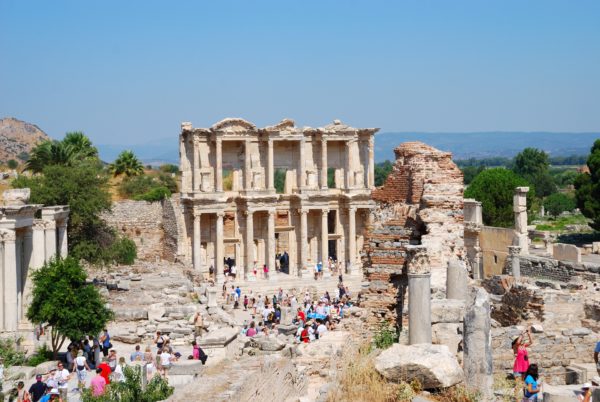
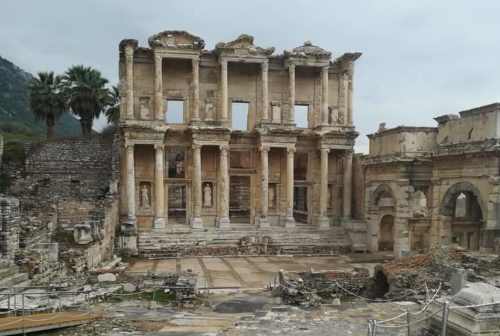
For me, what makes the Nicolaitans so fascinating is where they appear — for these were not distant abstractions but a real and pressing temptation in real cities that I walk through almost every week. Ephesus and Pergamon were dazzling, wealthy, and deeply pagan places, crowded with temples, statues, festivals, trade guilds, and a thousand easy compromises. To stand among their ruins today, where the marble still gleams and the great theatres still rise against the sky, is to understand exactly how hard it must have been for the first Christians here to keep their faith pure while the whole glittering world around them was pulling gently, constantly, the other way.

At Ephesus and Pergamon, the very cities named in these warnings, I love to bring the world of Revelation to life — to read those ancient words aloud where they were first heard. If you’d like to walk the Seven Churches with a licensed local guide who knows both the history and the scripture, reach me through toursaroundturkey.com or via WhatsApp. See you soon, Hasan Gülday