The Via Sebaste was a Roman road in southern Anatolia. It began at Antioch in Pisidia, near today’s Yalvaç, crossed the Taurus Mountains and ended at Perge on the coast. It was finished around 6 BC, and you can still find old stretches of it in the mountains behind Antalya.
| Built | Around 6 BC, in the time of Augustus |
|---|---|
| From | Antioch in Pisidia, near today’s Yalvaç |
| To | Perge, near Antalya |
| Crossed | Taurus Mountains, through the Döşeme Boğazı pass |
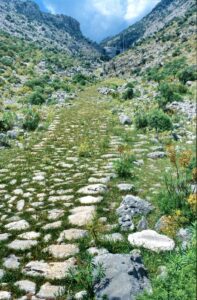
Via Sebaste was built about 2000 years ago. The main function of “Via Sebaste”, which was built by Cornutus Agulia in the time of Augustus was to keep the new colonies created in the region under seizure. Via Sebaste was also known as the “King’s Road”. Lycia et Pamphylia Province of Roman Empire and the Galatia Province of Roman Empire was connected to the Mediterranean city of Antalya by this road.
Route of the Via Sebaste
The road went south from Antioch in Pisidia, climbed through a pass the Romans called Climax, now Döşeme Boğazı, and came down to Perge. Colonies such as Comama and Apollonia stood along it, and a branch went east to Iconium, today’s Konya. The pass road stayed in use for many centuries after the Romans.
Where to See the Via Sebaste Today
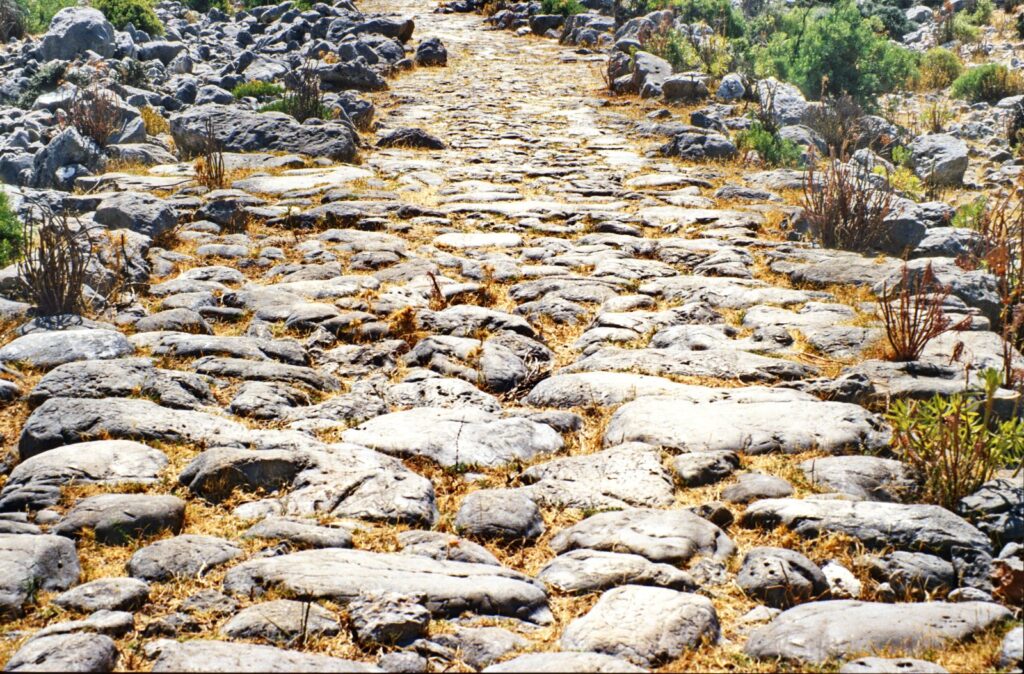
Do not expect one long paved road, pieces survive. The best known are in the Döşeme Boğazı pass behind Antalya, where long stretches of Roman paving and the ruins of a rest station have been recorded. A few milestones survive too.
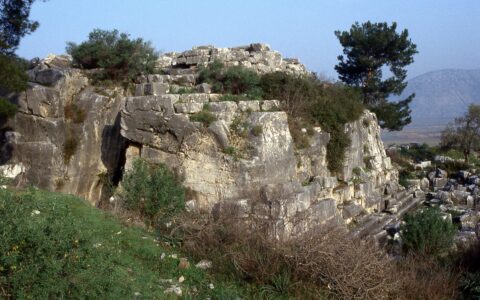
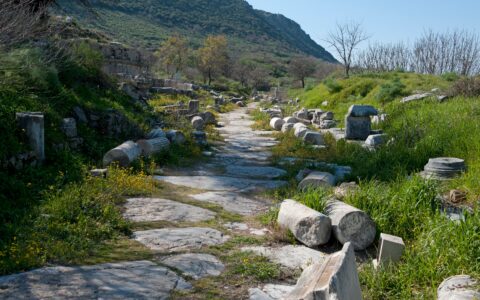
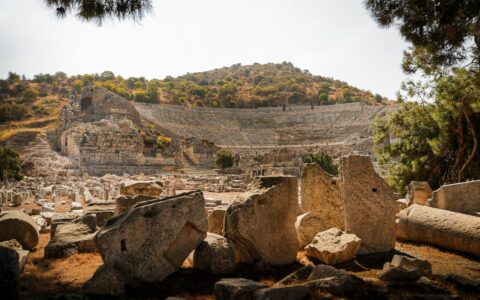
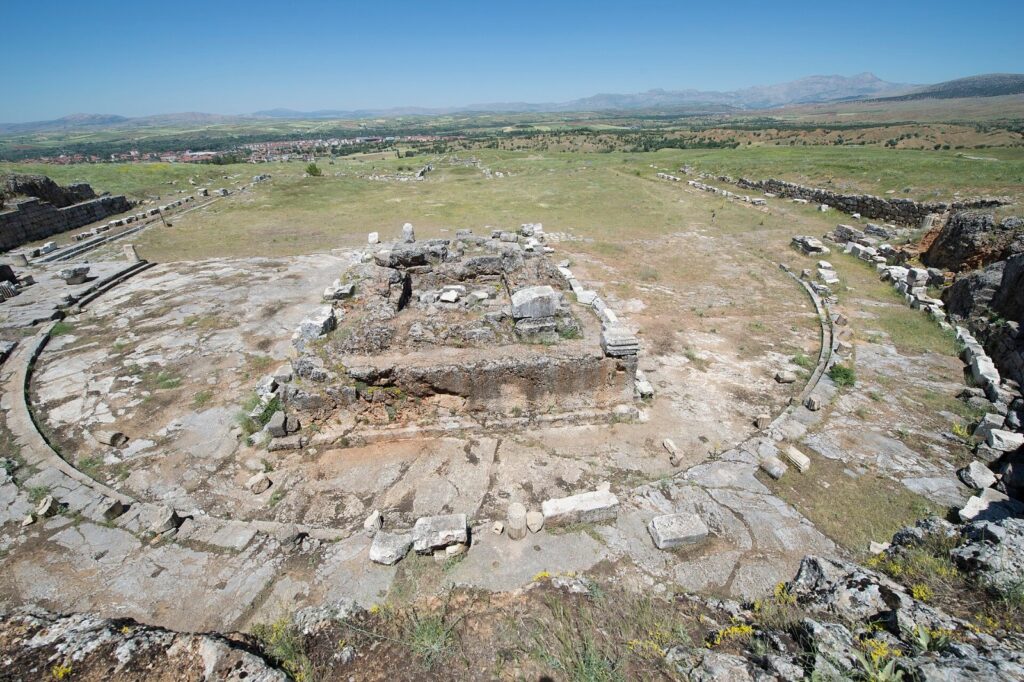
At the northern end, Antioch in Pisidia has paved Roman street and the stone platform of the temple of Augustus. Pieces of Augustus’s own list of his deeds, found there, are in the Yalvaç Museum.
Frequently Asked Questions
What does Via Sebaste mean?
Sebaste comes from the Greek word for Augustus, the first emperor’s title. So Via Sebaste means the road of Augustus, the emperor in whose time it was built.
Why did Augustus build the Via Sebaste?
To link the new Roman colonies of Pisidia with each other and with the coast, so soldiers and settlers could move fast through the mountains.
Did Paul walk the Via Sebaste?
Possibly. Acts 13:14 says Paul and Barnabas went from Perga to Antioch in Pisidia, and this road joined the two cities. The Saint Paul Trail follows part of that way today.