Tukish city of the east called Nusaybin today had several names in the past. Nisibis was one of them. Today Nusaybin is a part of Turkish Mardin city.
Add Tours Around Turkey as a preferred source on Google
Nisibis in Turkey is today’s Nusaybin, a town in Mardin Province in the southeast of the country. In Roman times it was a frontier city facing Persia. Saint Jacob was its bishop, and the hymn writer Ephrem the Syrian was born here.
| Today | Nusaybin, in Mardin Province |
|---|---|
| Church | Mor Yakup (Saint Jacob), with a baptistery of 359 AD |
| Known for | Saint Jacob, Ephrem the Syrian and its Christian school |
| Given to Persia | 363 AD |
Roots of Nisibis goes back 3000 years to the Assyrian kingdom era. The City changed hands several times with the respected order of Babylonians, Achaemenid Persians, and Alexander the Great. Nisibis was slowly Hellenized and some even rumored city was founded by warrior tribes of Sparta.
Nisibis slowly turned into a battleground witnessing battles in between Romans and local states. Romans arrived in the year 67 BC. Roman general Lucullus occupied the city by defeating Armenians. Roman and Parthian wars took place right outside the Nisibis walls too. Trajan and Septimius Severus lost and retook the city several times. Eventually Nisibis became the capital of the Roman province of Mesopotamia.
Nisibis in Turkey Today
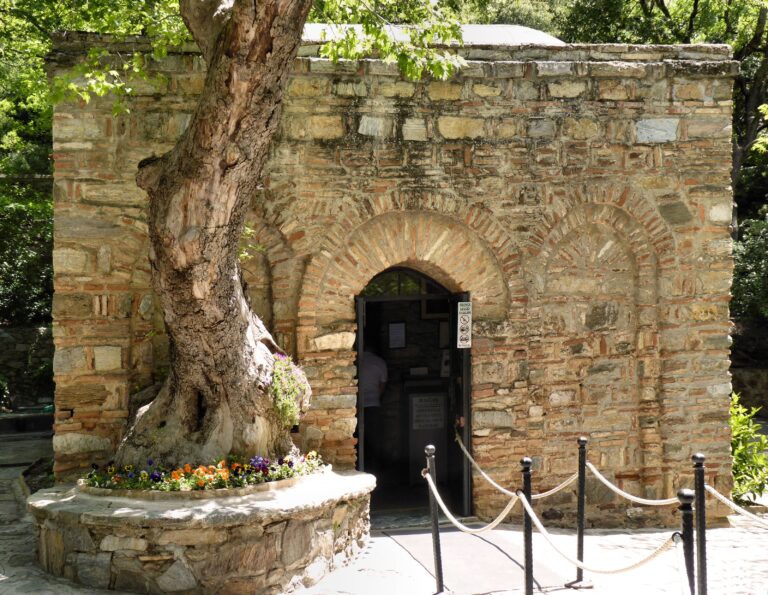
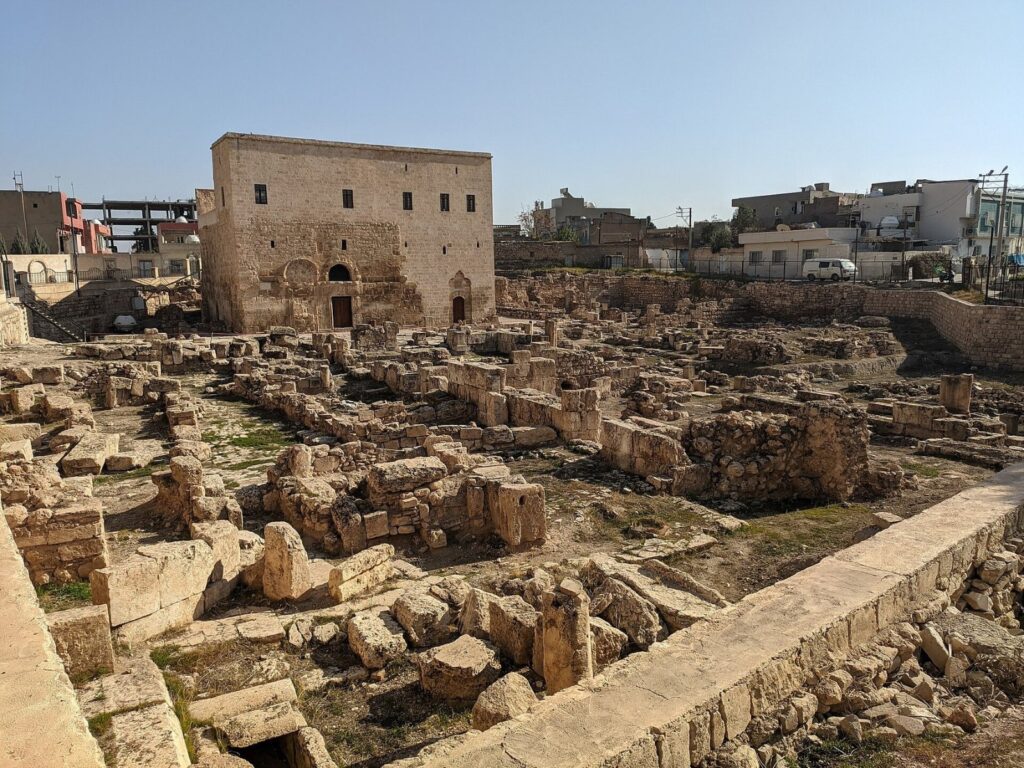
Little of Roman Nisibis is left above ground, the best known place is the Church of Saint Jacob, called Mor Yakup in Turkey. Its baptistery was built in 359 AD under Bishop Vologeses, and an inscription says so. Digs around it have uncovered more old buildings. The story of the province is in my post on the Roman province of Mesopotamia.
Inside Mor Yakup Church
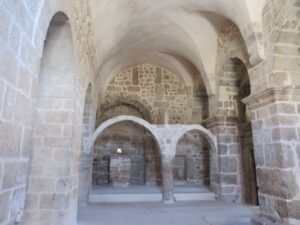
Inside Mor Yakup Church there is a square room, about 7 by 7 meters, with an apse on the east side. A dome added in 1872 covers it. Fine carved ornaments run along the arches and doorways, and a crypt under the floor holds a sarcophagus linked to Saint Jacob.
Next to church the diggers found the foundations of the big 4th-century cathedral. They also uncovered column bases, a stone-lined well that still holds water and many old graves. The digs went on until 2014.
About 100 meters to the west stands the Zeynel Abidin Mosque Complex, with a mosque, a school called a medrese and two tombs. Its inscription gives the year 1159. Above the town rise the Tur Abdin hills, with many old monasteries.
Ephrem the Syrian and the School of Nisibis
Ephrem the Syrian was born in Nisibis around 306. He grew up under Bishop Jacob, became deacon and a teacher, and wrote many hymns. He lived through three Persian sieges of the city, and the walls held each time.
Nisibis was also famous for its Christian school, where teachers trained clergy for the churches of the East. More about Jacob of Nisibis and Ephrem the Syrian is in my posts on Christian people of Asia Minor.
Frequently Asked Questions
Who was Saint Jacob of Nisibis?
Jacob was bishop of Nisibis and is said to have built its first church. Ephrem wrote that he defended the city with his prayers during the first Persian siege.
Why did Ephrem the Syrian leave Nisibis?
In 363 Emperor Jovian gave Nisibis to Persia after Rome lost a war, and the Christians were told to leave. Ephrem settled in Edessa, today’s Şanlıurfa, where he died in 373.
Where is Nusaybin located?
Nusaybin is a town in Mardin Province in southeastern Turkey, at the southern edge of the Tur Abdin hills. The small Çağçağ River runs through it, and its ancient name was the Mygdonius.
Why is Mor Yakup Church called a baptistery?
It began as the baptistery of the great cathedral of Nisibis, the building where new Christians were baptized. The cathedral was ruined long ago, and the small baptistery stayed and was used as a church.
Is Mor Yakup Church a UNESCO World Heritage Site?
Not yet. In April 2014 it was added to the UNESCO Tentative List, together with the nearby Zeynel Abidin Mosque Complex. That list is the first step toward a place on the World Heritage List.