Memnon of Ephesus was the bishop of Ephesus during one of the most important Christian era events of the city which was the third ecumenical council held in Ephesus.

Who Was Memnon of Ephesus?
Memnon of Ephesus was the metropolitan bishop of Ephesus, the head of the bishops of the region, when the third ecumenical council met in his city in 431. He had about fifty bishops of his own region with him. He is not the Memnon of the Greek myths who fought at Troy, and he is not Memnon of Rhodes, the general who fought against Alexander the Great.
His side in the dispute was clear from the start. Memnon stood with Cyril of Alexandria against Nestorius, and the people of Ephesus stood with their bishop. I tell the whole quarrel in my post on the Council of Ephesus of 431, so here let’s have a look only at what belongs to Memnon.
What Did Memnon Do at the Council of Ephesus?
At the Council of Ephesus Memnon was the host and a firm ally of Cyril, and he refused to share communion with Nestorius. Nestorius had come first, shortly after Easter, with sixteen bishops and a guard of soldiers, and the churches of Ephesus were closed to him. Later he complained to the emperor that the crowd of the city threatened him.
Memnon’s friends told the story in another way and complained about the soldiers of Count Candidian, the officer of the emperor. Each side said the other one used force, so today it is hard to know who was right.
The council opened on June 22 in the Church of Mary with about two hundred bishops, and Nestorius did not come. On July 10 a session met in Memnon’s own house, residence of the bishop. Six days later Memnon and Cyril made a formal protest against the separate council of John of Antioch.
Where Did Memnon’s Council Meet?
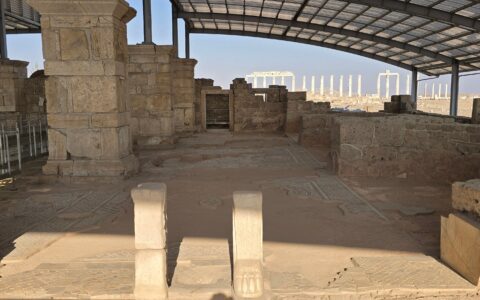
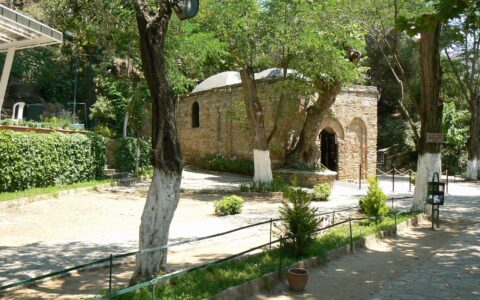
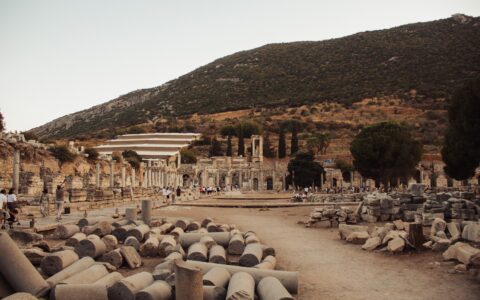
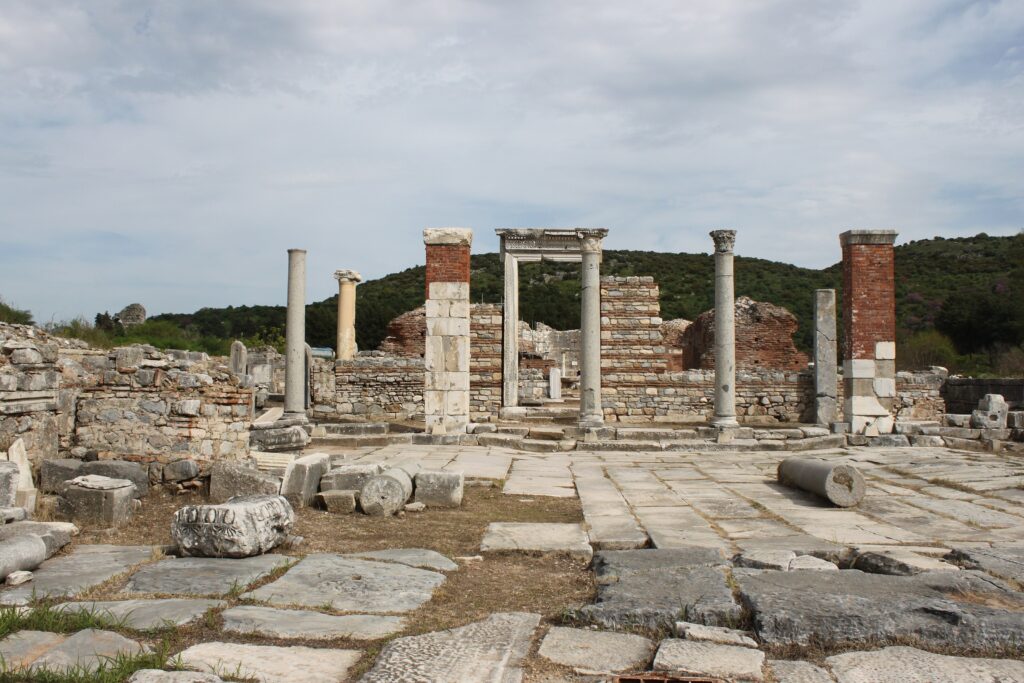
Memnon’s council met in the Church of Mary in Ephesus, the great church beside the old harbor, and one session took place in the bishop’s house next to it. The ruins stand inside Ephesus Ancient City, nearby the Lower Gate. When I walk there with my guests, I show them where the house of the bishop is believed to have stood.
What Happened to Memnon After the Council?
Memnon was removed from his seat for a short time, kept under guard, and then restored as the bishop of Ephesus when the council ended in the autumn of 431. The trouble started when John of Antioch arrived five days after the first session. He was angry that the council began without him, and his own council of about forty bishops deposed Cyril and Memnon, accusing Memnon of violence in the city.
Emperor Theodosius II first accepted both councils, so Nestorius, Cyril and Memnon were all removed from their seats, and Cyril and Memnon were kept under guard. Then the envoys of Cyril’s council reached the Emperor, he changed his mind. He accepted Cyril’s council as the true one, Memnon kept his seat, and Cyril was back in Alexandria on October 30, 431.
Memnon stayed bishop of Ephesus until his death, around 440. It is said that he once tried to send a popular priest called Bassianus away from Ephesus by making him bishop of the small town of Evaza, but Bassianus refused. Bassianus became the bishop of Ephesus himself in 444.
I tell the line of the bishops of Ephesus in my post on the Church of Ephesus, the mother church of Asia. The other side of the dispute is in my post on Nestorius of Constantinople.
Frequently Asked Questions
Who was the bishop of Ephesus at the Council of Ephesus?
The bishop of Ephesus at the Council of Ephesus in 431 was Memnon. He was the metropolitan of the region, the host of the bishops, and a firm supporter of Cyril of Alexandria against Nestorius.
What was the role of Memnon in the Council of Ephesus?
Memnon was the local host and a leading ally of Cyril. He came with about fifty bishops of his region, refused communion to Nestorius, held a session in his own house, and joined Cyril in the protest against John of Antioch.
Was Memnon of Ephesus deposed?
Yes, for a short time. The separate council of John of Antioch deposed Memnon and Cyril in 431, and the emperor kept both under guard for a while. Then he accepted Cyril’s council, and Memnon kept his seat as bishop of Ephesus.