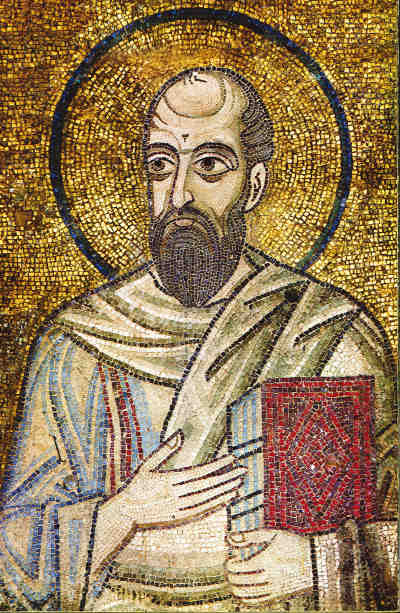
Saint Polycarp of Smyrna was a bishop, an Apostolic Father, and one of the most important martyrs of the early Christian Church. A disciple of the Apostle John himself, he led the church of Smyrna — modern İzmir, in Turkey — until, around 155 AD, he was burned at the stake for refusing to renounce his faith. The account of his death, written by his own community, is one of the earliest and most moving martyrdom stories in all of Christian history.
Smyrna is İzmir, the great city just up the coast from my home in Kuşadası, and whenever I guide pilgrims there, Polycarp’s is the story I most love to tell. He is the living bridge between the apostles who knew Jesus and the Church that came after — a man who, as a boy, sat and listened to people who had walked with Christ. To stand in his city and tell his story is one of the privileges of being a guide in this land.
Who Was Saint Polycarp?
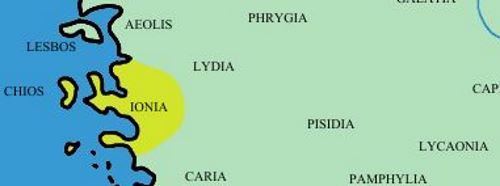
Polycarp was born around 69 AD, in the generation that came of age just after the apostles. He became the bishop of Smyrna, one of the great cities of Roman Asia and one of the Seven Churches of Revelation, and he led that community for the better part of his long life. We know him today as one of the “Apostolic Fathers” — the first Christian leaders who had been taught directly by the apostles, and who carried their teaching faithfully into the next generation. A genuine letter he wrote, his Epistle to the Philippians, still survives.

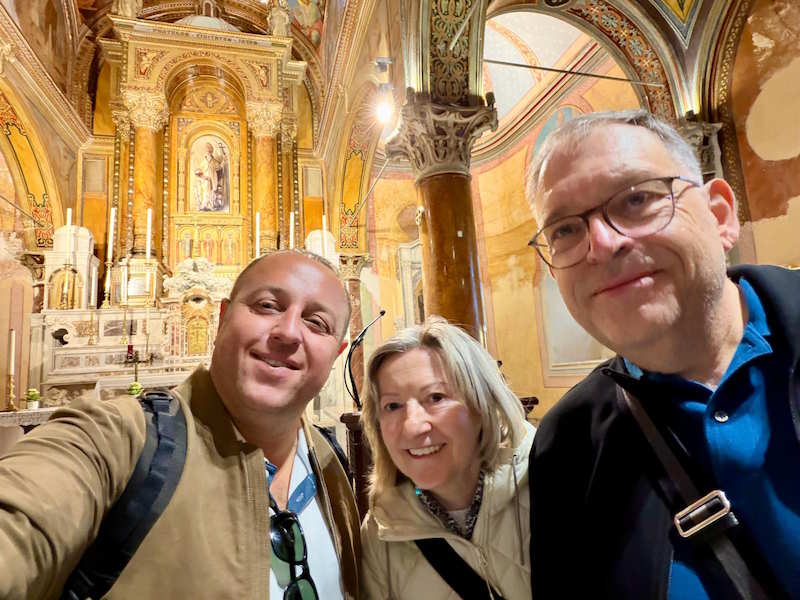
Saint Polycarp and the Apostle John
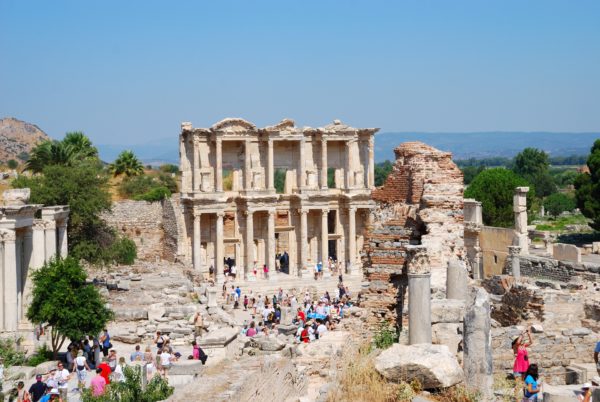
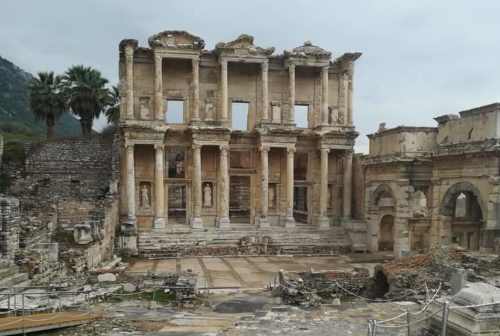
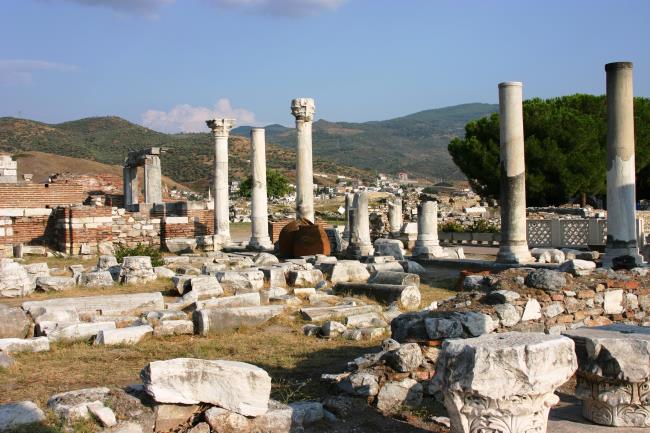
Here is the detail that gives me goosebumps every time. By the firm tradition of the early Church, Polycarp was a disciple of the Apostle John — the same John who, by tradition, lived out his final years here at Ephesus and is buried beneath the great basilica on Ayasuluk Hill. It is said that John himself appointed Polycarp as bishop of Smyrna. And we don’t only have this at second hand: a later bishop, Irenaeus of Lyon, was as a young man a student of Polycarp, and he wrote that he could still remember the old man speaking of his conversations with John and with others who had seen the Lord. So we have a chain of living memory — John to Polycarp to Irenaeus — reaching back to touch the apostles themselves. You can read more about John’s own story in my guide to the Basilica of St John on toursaroundturkey.com.




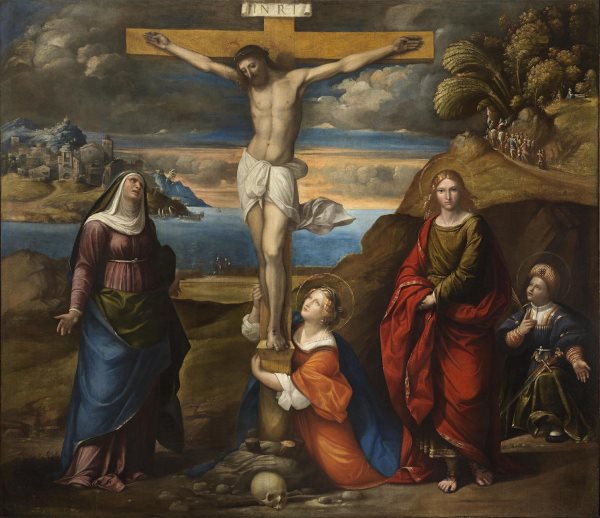

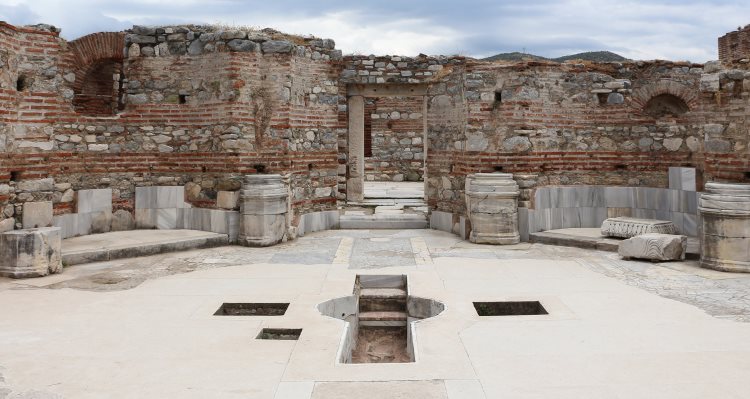
Polycarp, Bishop of Smyrna and the Seven Churches
It is no small thing that Polycarp led the church of Smyrna in particular. Smyrna is the second of the Seven Churches addressed in the Book of Revelation, and its letter is one of only two that contain no rebuke at all — only encouragement to a community facing poverty and persecution: “Be faithful unto death, and I will give you the crown of life.” Reading those words alongside Polycarp’s own faithful death, decades later in the very same city, is one of the most powerful connections on any Seven Churches journey. I’ve written much more about it in my guides to the Seven Churches of Revelation and the church of Smyrna.

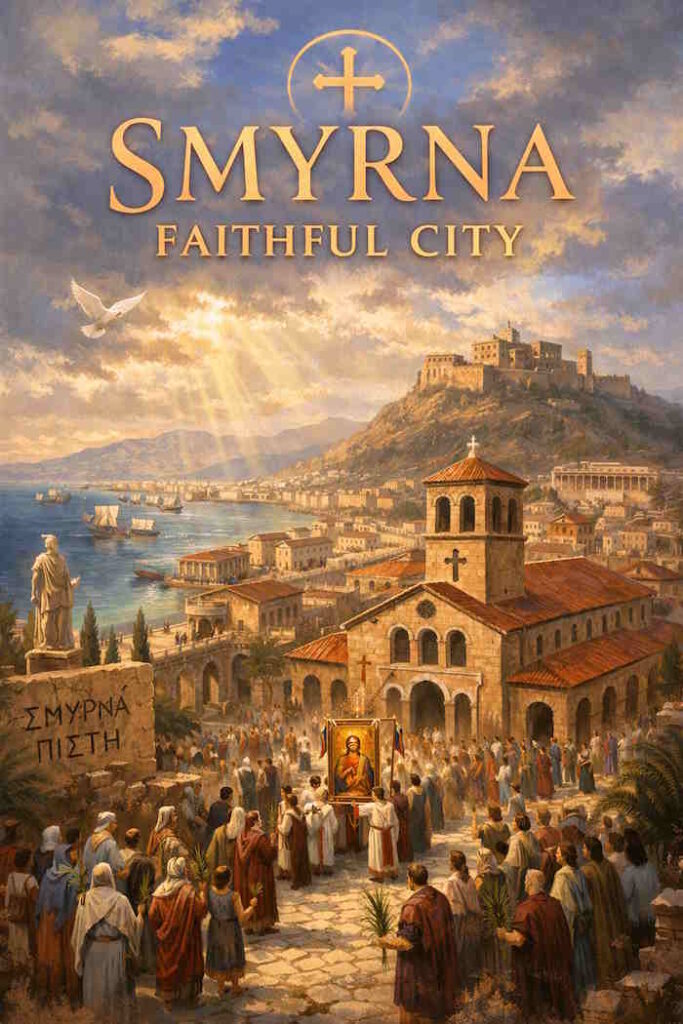
The Martyrdom of Saint Polycarp
Around 155 AD, when Polycarp was already an old man of eighty-six, a wave of persecution swept Smyrna. The crowds in the arena, baying for Christians to be thrown to the beasts, began to call for Polycarp by name. Friends hid him at a farm outside the city, but he was betrayed and arrested, and brought before the Roman proconsul in the stadium of Smyrna. According to the famous account written by his own church soon afterwards — the Martyrdom of Polycarp, one of the earliest such documents we possess — the proconsul, perhaps reluctant to execute so old and respected a man, urged him simply to swear by the spirit of Caesar, curse Christ, and go free.
Polycarp would not. He was condemned to be burned alive. The account tells that the flames rose around him like an arch or the billowing sail of a ship and would not consume him, and that a sweet fragrance filled the air; so an executioner was ordered to stab him with a dagger, and the blood that flowed put out the fire. The Christians of Smyrna gathered what remained of him as a treasure, and remembered the day ever after. Whatever one makes of the miraculous details, the courage at the heart of the story is unmistakable.


“Eighty-Six Years I Have Served Him” — Polycarp’s Famous Reply
The words history remembers are the ones he is said to have spoken when the proconsul told him to curse Christ. The old bishop answered: “Eighty and six years have I served Him, and He has done me no wrong. How then can I blaspheme my King who saved me?” In a single sentence, an old man facing the fire summed up a lifetime of faith. I have stood with guests in İzmir and watched those words land, and there is always a silence afterwards.


Polycarp and the Date of Easter
There is one more episode worth knowing, because it connects to another figure from this region. Around the year 154, Polycarp travelled all the way to Rome to discuss with the bishop there, Anicetus, a disagreement over the correct date to celebrate Easter — the churches of Asia keeping one tradition, Rome another. The two men could not agree, but they parted as friends, in peace and mutual respect. Decades later, that same Asian tradition would be defended by Polycrates of Ephesus — and if you’d like, you can read about him in my separate article on Polycrates of Ephesus. It’s a reminder that these early Christians were real people, working out hard questions together.


Where Can You Visit Saint Polycarp’s Smyrna Today?
İzmir wears its modern face proudly, but Polycarp’s city is still there to be found. The Church of Saint Polycarp, in the heart of İzmir near Konak, is the oldest church in the city and is dedicated to him — a peaceful, beautifully painted refuge from the busy streets. Nearby lie the excavated remains of the Agora of Smyrna, the marble heart of the ancient city Polycarp knew. And rising above it all is Kadifekale, the hilltop citadel on the slopes of which the ancient stadium once stood, where tradition places his martyrdom. I weave all of these together on my İzmir tours, so that the city’s Christian story comes alive street by street.


Why Saint Polycarp Matters
Polycarp matters because he is a bridge and a witness. He links us, through John, to the apostles and to Christ; he shows us, through his letter and his death, what the faith of the very early Church actually looked like; and he reminds us that the great events of Christian history did not happen somewhere far away — they happened here, in the cities of this coast that I am lucky enough to call home. That, for me, is the heart of every pilgrimage.
Frequently Asked Questions About Saint Polycarp


Who was Saint Polycarp? A disciple of the Apostle John and bishop of Smyrna (modern İzmir), one of the Apostolic Fathers, martyred around 155 AD for refusing to renounce Christ.
How did Saint Polycarp die? He was condemned to be burned at the stake in the stadium of Smyrna; according to the early account, when the fire did not consume him he was stabbed, and the faithful gathered his remains.
Was Polycarp really a disciple of the Apostle John? By the strong tradition of the early Church, yes — John is said to have appointed him bishop of Smyrna, and the chain of memory was preserved through Polycarp’s own pupil, Irenaeus.
Is Polycarp connected to the Seven Churches of Revelation? Yes — he was bishop of Smyrna, the second of the Seven Churches, whose letter urges the faithful to “be faithful unto death.”
Where can you visit sites linked to Saint Polycarp? In İzmir — the Church of Saint Polycarp near Konak, the Agora of Smyrna, and the hill of Kadifekale where his martyrdom is traditionally placed.
Is Polycarp the same as Polycrates of Ephesus? No — they are two different early bishops. Polycarp led Smyrna and was martyred around 155 AD; Polycrates of Ephesus led that city around 190 AD and championed the Asian date of Easter.
Walk in the Footsteps of Saint Polycarp with Licensed Tour Guide


The story of Saint Polycarp turns the busy streets of İzmir back into ancient Smyrna, and bringing that to life is exactly what I love to do. I’m a nationally licensed Turkish guide based in Kuşadası, beside Ephesus, and I’d be honoured to lead you through the Christian heritage of İzmir and the Seven Churches of Revelation. Reach me through toursaroundturkey.com or WhatsApp to begin planning your pilgrimage. Görüşmek üzere — see you soon, Hasan Gülday.