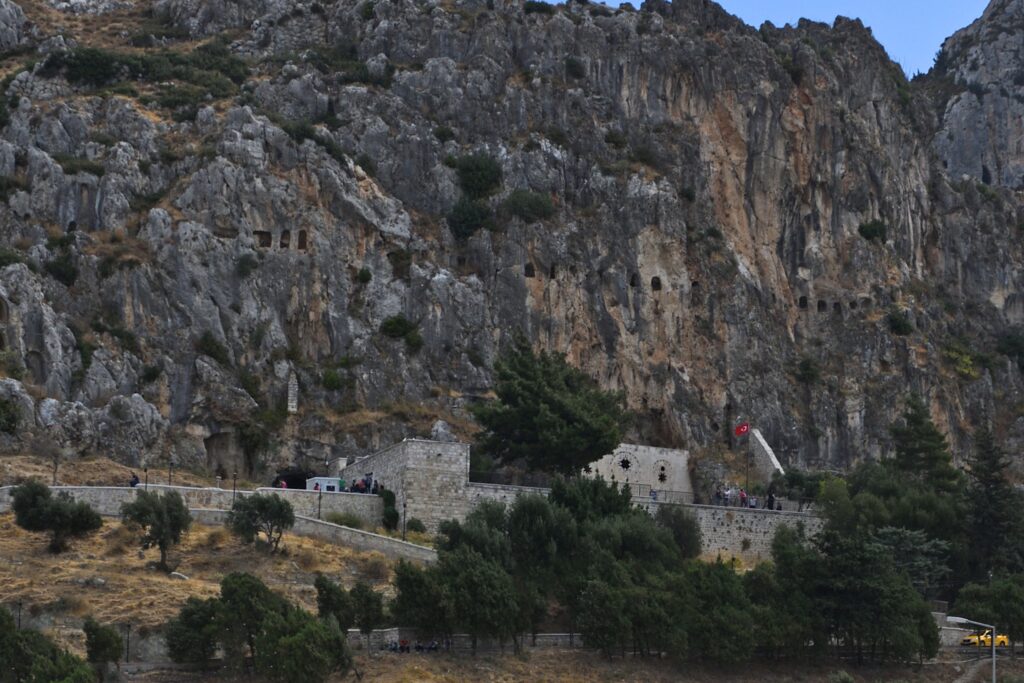
The main Christian sites in Hatay and Tarsus are the Church of Saint Peter Antakya, the old port of Seleucia Pieria, and in Tarsus Saint Paul’s Well and Saint Paul’s Church. Acts 11:26 says the disciples were first called Christians in Antioch, today’s Antakya, and Paul said he came from Tarsus (Acts 21:39). The February 2023 earthquakes hit Antakya hard, so check each site before you go.
Add Tours Around Turkey as a preferred source on Google
Antakya is in Hatay Province and Tarsus is in Mersin Province, so the two places are far from each other. Let’s have a look at them one by one.
Antioch and the Name Christian
Antioch on the Orontes, today’s Antakya, is the city where the followers of Jesus got the name Christians. Barnabas went to Tarsus to look for Saul and brought him to Antioch, and there “the disciples were first called Christians” (Acts 11:25-26, WEB). Later the church of Antioch sent Barnabas and Saul on their first journey (Acts 13:1-4).
In Roman times Antioch was third largest city of the empire after Rome and Alexandria. Peter came to here too, and Paul wrote that he “resisted him to his face” (Galatians 2:11, WEB). You can read more in my short article on Antioch and in the article on Ignatius of Antioch, a later bishop of the city.
Church of Saint Peter Antakya
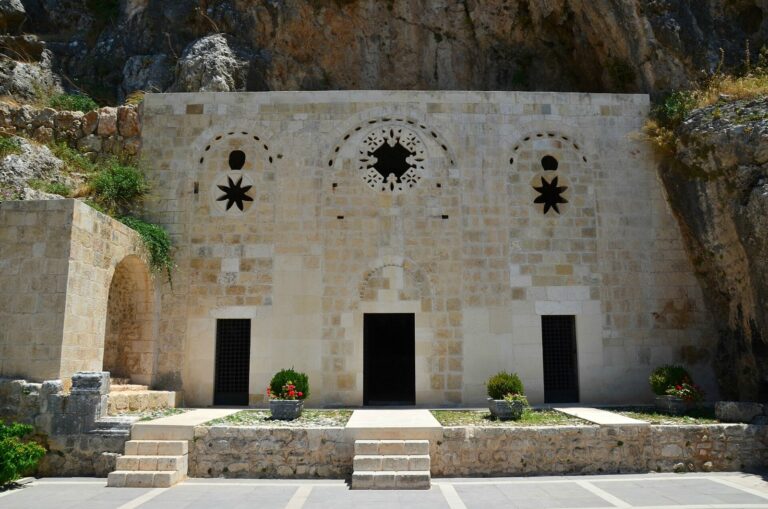
The Church of Saint Peter Antakya is a cave church cut into the mountainside above the city, and tradition says that the first believers of Antioch gathered here. The cave is about 13 meters deep, 9.5 meters wide and 7 meters high. Nobody knows when it became a church, but the oldest surviving parts, including pieces of floor mosaic, date from at least the 4th or 5th century.
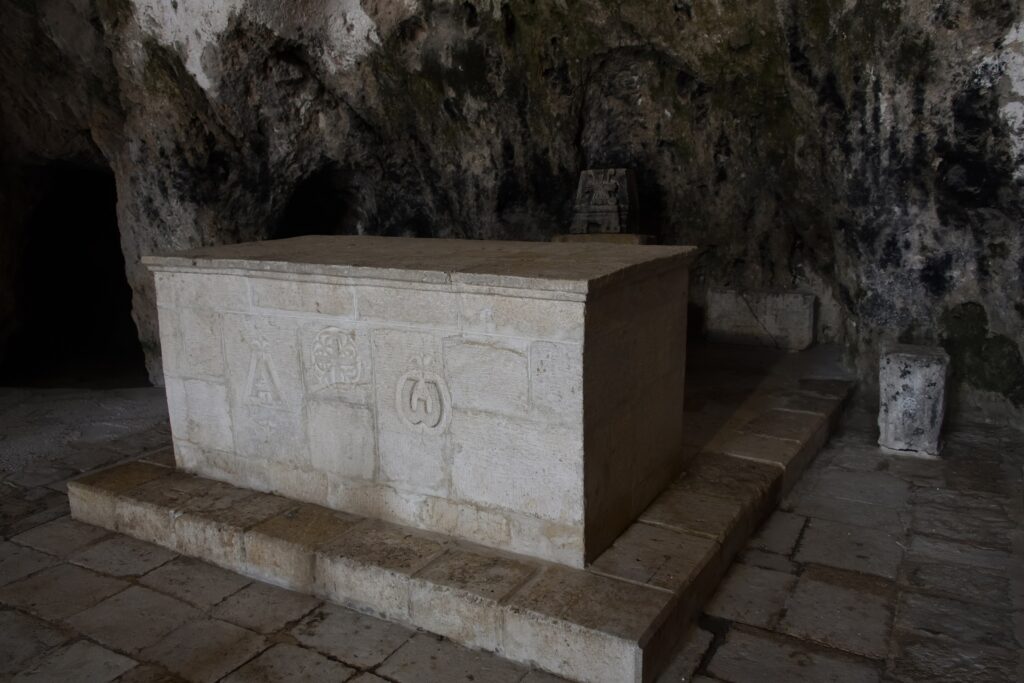
Crusaders added the stone facade, which was restored in 1863. Turkish museum lists call it the St. Pierre Memorial Museum, and Turkey put it on its UNESCO Tentative List as Hatay, St. Pierre Church in 2011. A small tunnel at the back is thought to have helped the believers to escape.
News reports from February 2023 said that the church came through the earthquakes with only minor damage. It is run as a museum, and Al-Monitor reported on December 25, 2025 that it opens for worship only on rare occasions. The ministry says a Catholic Mass is held here every year on June 29, the feast of Saints Peter and Paul, but please check opening hours before you go.
Hatay Archaeology Museum and the Old Town
The Hatay Archaeology Museum, known for its Roman mosaics, was damaged in the February 2023 earthquakes and closed for repairs. It has opened again, so the mosaics of Antioch can be seen in Antakya once more. Please check the opening hours before you go.
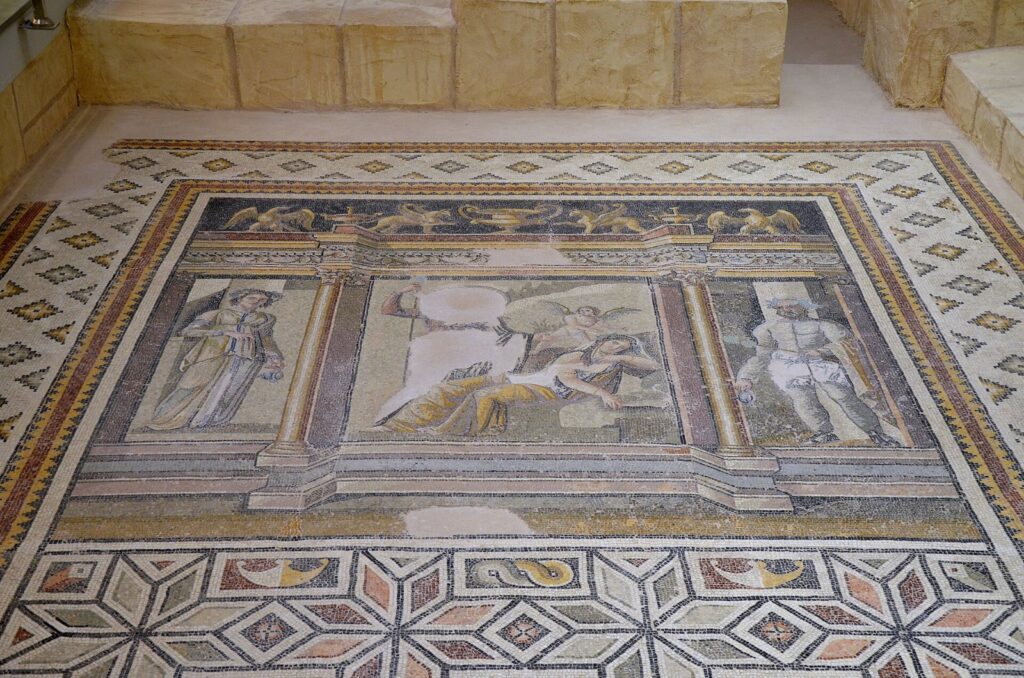
Its mosaics come from Antioch, Daphne and Seleucia Pieria, like the Ariadne mosaic in the photo. In addition, another museum in Antakya, the Necmi Asfuroğlu Archaeology Museum, reopened on June 12, 2024, and Türkiye Today reported on May 21, 2026 that its huge sixth-century floor mosaic survived the earthquakes undamaged. I wrote about it in my article on the largest ancient floor mosaic in Turkey.
The old town was hit hardest. TRT World reported in February 2023 that the Habib-i Neccar Mosque and the Orthodox church of Antakya almost completely collapsed, and in December 2025 Al-Monitor still described rubble fields and cracked, abandoned buildings. However, the importance of Antioch does not sit in one building, it is in the place itself.
Seleucia Pieria, the Port of Antioch
Seleucia Pieria, near today’s Samandağ on the coast, was the port of Antioch, and Paul and Barnabas sailed from here to Cyprus (Acts 13:4). Seleucus I founded it around 300 BC, and its harbor silted up long ago. The village of Çevlik stands at the site today.
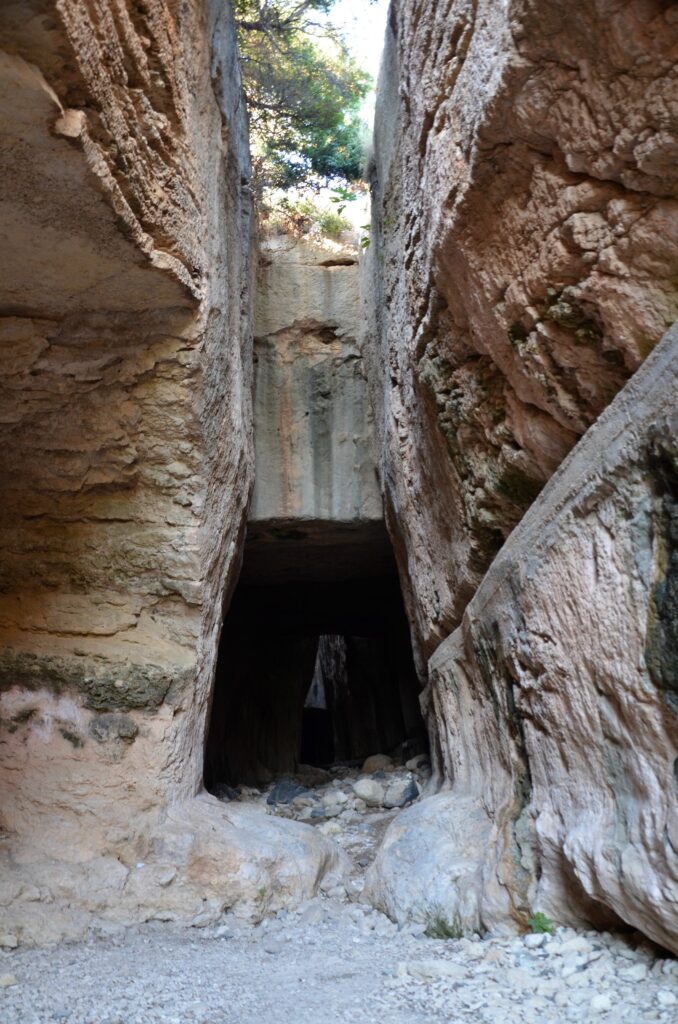
The best-known ruin is the Vespasianus Titus Tunnel, a Roman canal of almost 1,400 meters, part of it in a tunnel, cut to keep a mountain stream away from the Harbor. Work began under Emperor Vespasian (AD 69-79) and an inscription says it was finished under Antoninus Pius. Paul sailed from Seleucia decades earlier, so he never walked through it. Please check the site status before you go.
Saint Paul’s Well and Church in Tarsus
Paul was born in Tarsus in Cilicia (Acts 22:3), about 20 kilometers inland from the Mediterranean, and he called it “a citizen of no insignificant city” (Acts 21:39, WEB). Tarsus was the capital of the Roman province of Cilicia, and Strabo wrote that its people loved philosophy and learning so much that they surpassed Athens and Alexandria.
Saint Paul’s Well is in courtyard of an old house that many believe was Paul’s home, about 200 meters from the ancient Roman road, according to the Ministry of Culture and Tourism. Digs there found Roman, Byzantine and Ottoman layers, and the old belief was that the water of the well was holy and could heal. Please keep it in mind that this is a tradition, not proof.
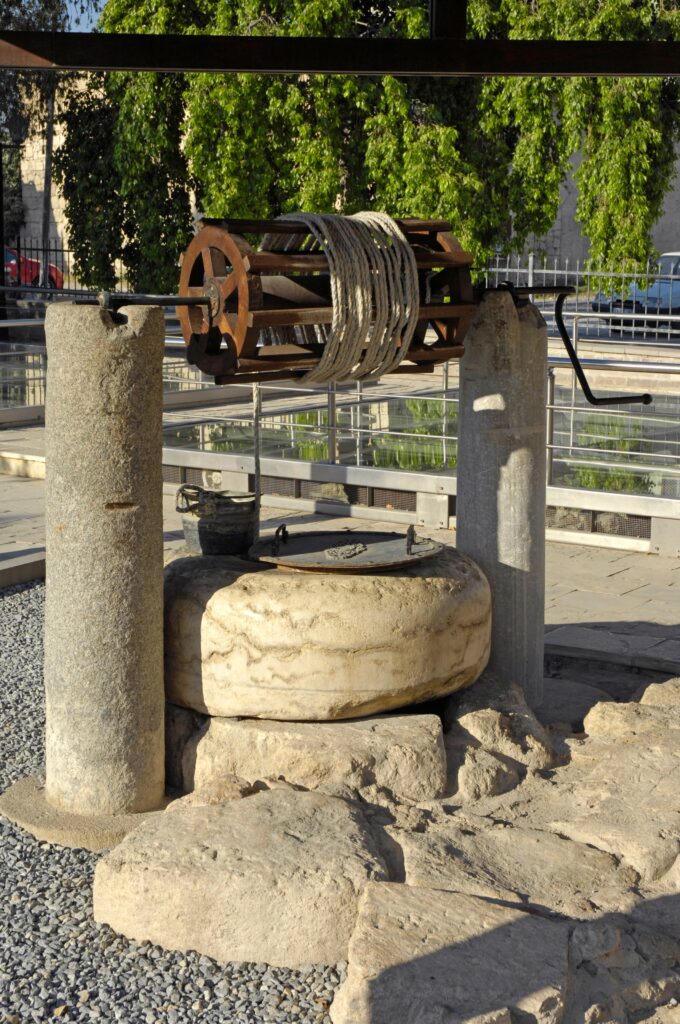
Saint Paul’s Church nearby is a state museum, and its present building is from the 19th century. Pilgrim groups have held services there with permission from the authorities. UNESCO’s Tentative List for Turkey includes the church, the well and the old quarters around them.
Cleopatra’s Gate is the last old city gate of Tarsus, rebuilt in the Middle Ages. It got its name from Cleopatra’s meeting with Mark Antony here in 41 BC only in the early 20th century. YOu can read more in my articles on the Roman road in Tarsus and Saint Paul of Tarsus.
Frequently Asked Questions
Where were the disciples first called Christians?
They were first called Christians in Antioch on the Orontes, today’s Antakya in Hatay Province (Acts 11:26). Barnabas had brought Saul there from Tarsus, and for a whole year they met with the church and taught many people.
Is the Church of Saint Peter in Antakya open to visitors?
It is a state museum and came through the 2023 earthquakes with minor damage, but Al-Monitor reported in December 2025 that it opens for worship only on rare occasions. Please check the current hours with the Hatay provincial culture and tourism directorate before you go.
Where was the Apostle Paul born?
Paul was born in Tarsus in Cilicia (Acts 22:3). Tarsus is in Mersin Province today, about 20 kilometers inland from the Mediterranean coast.
Hire Biblical Tour Guide in Turkey
I’m a nationally licensed Turkish tour guide based in Kuşadası. My day guiding is Ephesus, İzmir and Pamukkale, and my national license lets me join you as your personal guide on longer journeys elsewhere in Turkey, such as Hatay and Tarsus. Before we plan such a trip, we should check together which sites are open.
You can see my guiding rates and guiding areas or write to me through my contact page to ask about my availability. I hope we will visit the places of Antioch and Tarsus together. You can always write to me with your questions about these sites. See you soon, Hasan Gülday.