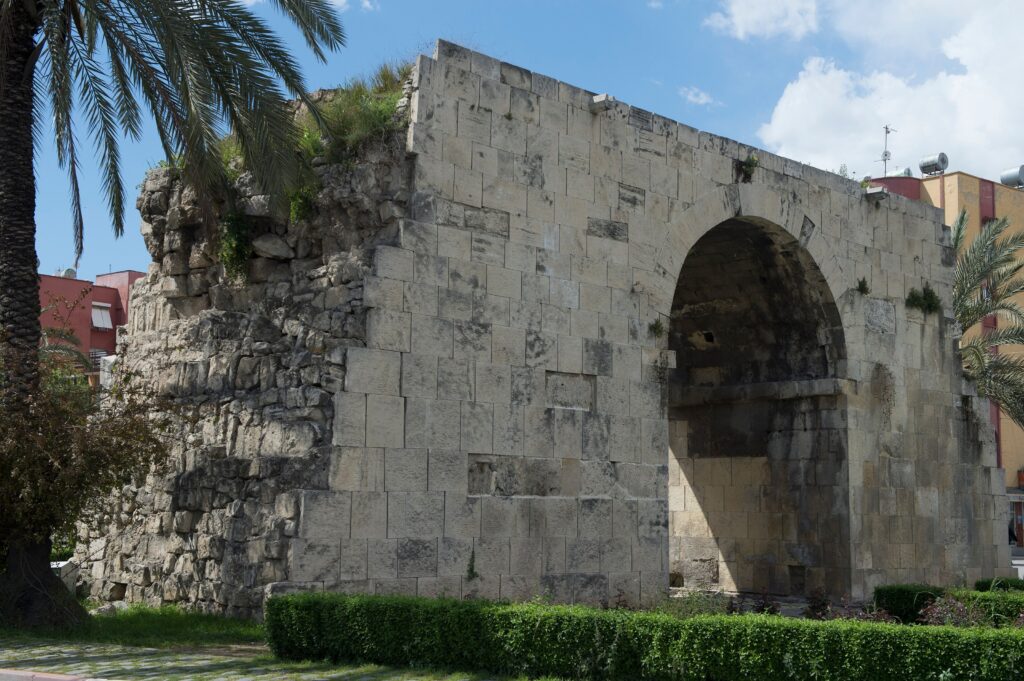
The Cilicia province lay in the south of today’s Turkey, around Mersin and Adana, between the Taurus Mountains and the sea. Pompey made it a Roman province in 64 BC, after he cleared out the pirates, and the capital was Tarsus. You can still visit Tarsus and the ruins of Anazarbus.
Add Tours Around Turkey as a preferred source on Google
| Made a province | 64 BC, under Pompey |
|---|---|
| Capital | Tarsus |
| Today | Southern Turkey, around Mersin and Adana |
| Main cities | Tarsus, Anazarbus, Mopsuestia, Pompeiopolis |
Cilicia province of the Roman Empire was located on today’s Mediterranean coast of Turkey. The Province held great importance since it was the gateway to the Eastern lands.
Cilicia was the nesting ground of Cilician pirates. The Roman Empire wanted to establish full control on Anatolia or Asia Minor, so they wanted to occupy Cilicia after the Third Mithridatic War. Pompey occupied and annexed Cilicia into the Roman Empire in the year 64 BC.

Tarsus city of today’s Turkey was the capital of Cilicia province. Tarsus was the birthplace of the Apostle Paul, making the city and important early Christian center.
Cilicia stayed as it is during the split of the Roman Empire and survived as an Byzantine province till the attack and occupation of the Umayyad Caliphate on the 8th century.
Cilicia Province Today: Tarsus and Anazarbus
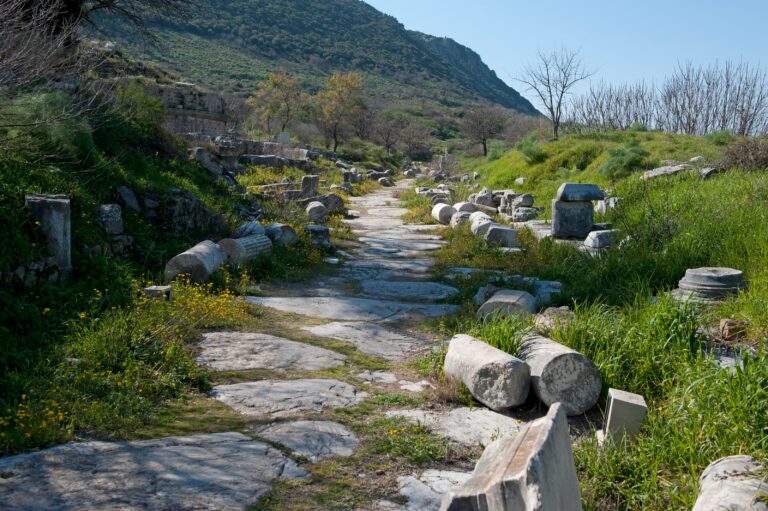
Two cities of the old Cilicia province are easy to visit today. Tarsus lies in Mersin Province, a short way inland from the sea. The city gate called Cleopatra’s Gate still stands in west of the town, and a stretch of the basalt Roman road has been unearthed, as I wrote in my post on the Roman road in Tarsus. Paul said he was “a citizen of no mean city” (Acts 21:39).
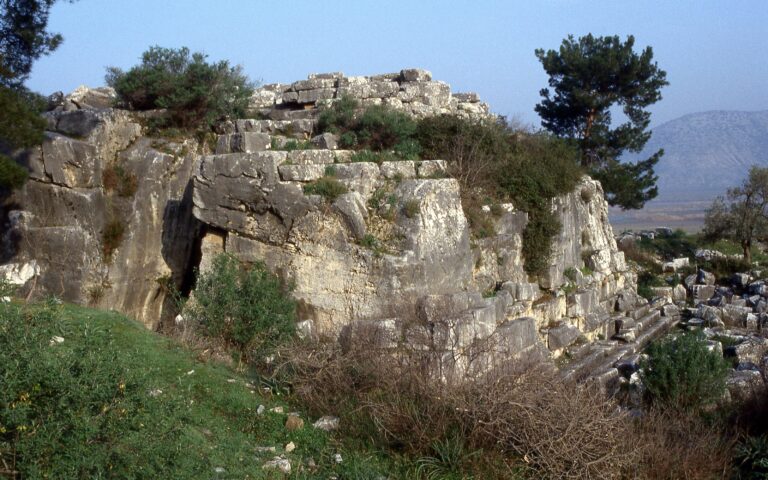
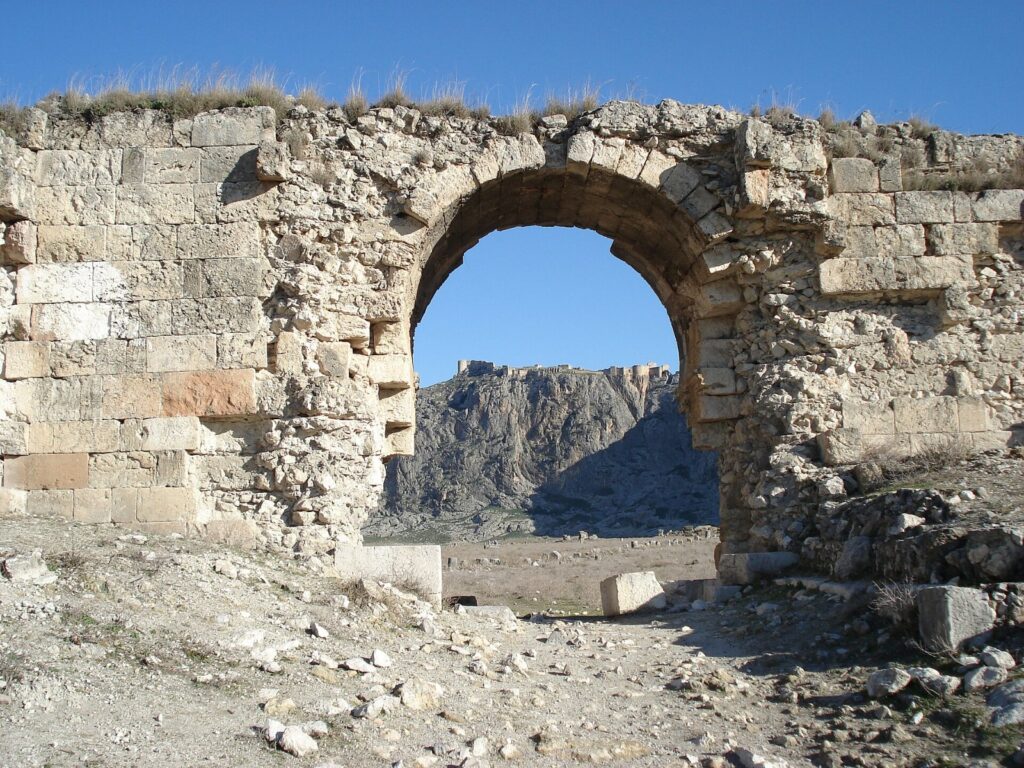
Anazarbus, now called Anavarza, lies in the countryside of Adana Province, under a high rock with a medieval castle on top. Below it are a triumphal arch, colonnaded streets, a theater and a stadium outside the walls, and the remains of its aqueducts. I also put it as number 10 in my list of top 10 archaeological attractions of Turkey, too.
Frequently Asked Questions
What are the Cilician Gates?
The Cilician Gates, today the Gülek Pass, is a pass through the Taurus Mountains about 44 kilometers north of Tarsus. It joins the Cilician plain with central Anatolia, and Alexander the Great marched through it in 333 BC.
Why were there so many pirates in Cilicia?
The mountain coast of Rough Cilicia has rocky headlands and small sheltered harbors, so pirate ships could hide easily. Rome sent Pompey to clear them out.