The south coast of Turkey is full of places where the New Testament meets the Mediterranean. The main Christian sites in Antalya are Attalia and Perge from Paul’s first journey, Myra and Patara from his later voyages, the church of Saint Nicholas in Demre, and the early churches of Side, Xanthos and the Letoon. Let’s have a look at each one.
Add Tours Around Turkey as a preferred source on Google
The coast is ancient Pamphylia in the east and ancient Lycia in the west, and the Romans later governed the two together as the province of Lycia and Pamphylia. I start in Antalya, go to Perge and Side, then west along the Lycian coast to Demre, Patara and Xanthos. I also mention what is closed or being rebuilt right now.
Paul on the Antalya Coast
Paul crossed this coast on his first journey and came back to it to sail home. Acts 13:13 says that Paul and his company sailed from Paphos and came to Perga in Pamphylia, where John Mark left them and returned to Jerusalem. On the way back, “when they had spoken the word in Perga”, they went down to Attalia, and from there they sailed to Antioch (Acts 14:25–26).
The coast returns in two later stories. At Patara, at the end of the third journey, Paul changed ships on his way to Jerusalem (Acts 21:1–2). At Myra, Paul the prisoner was put on a grain ship for Italy (Acts 27:5–6). I tell that story in my article on Paul’s voyage to Rome, and the whole map is in cities visited by Apostle Paul in Asia Minor.
The Old Harbor of Attalia
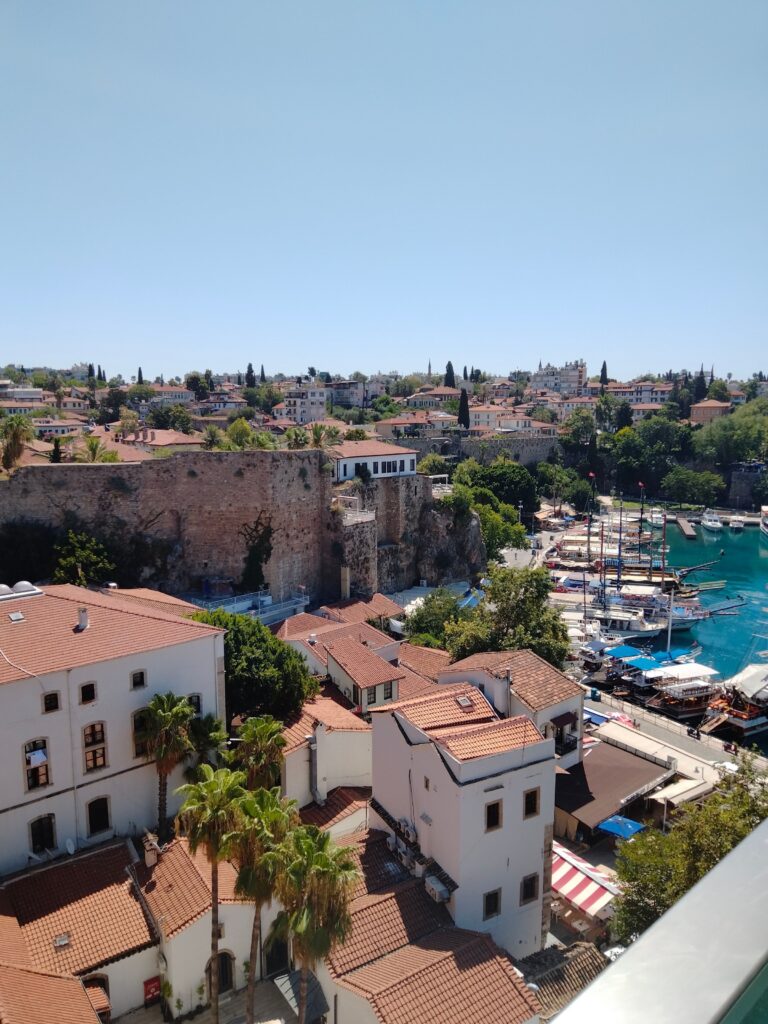
Attalia was founded around 150 BC by King Attalus II of Pergamon, and it took his name. Old harbor below the Kaleiçi quarter dates back to Roman times, and it is the best place in the city to picture Paul and Barnabas boarding their ship. Nobody can point to the exact quay, however.
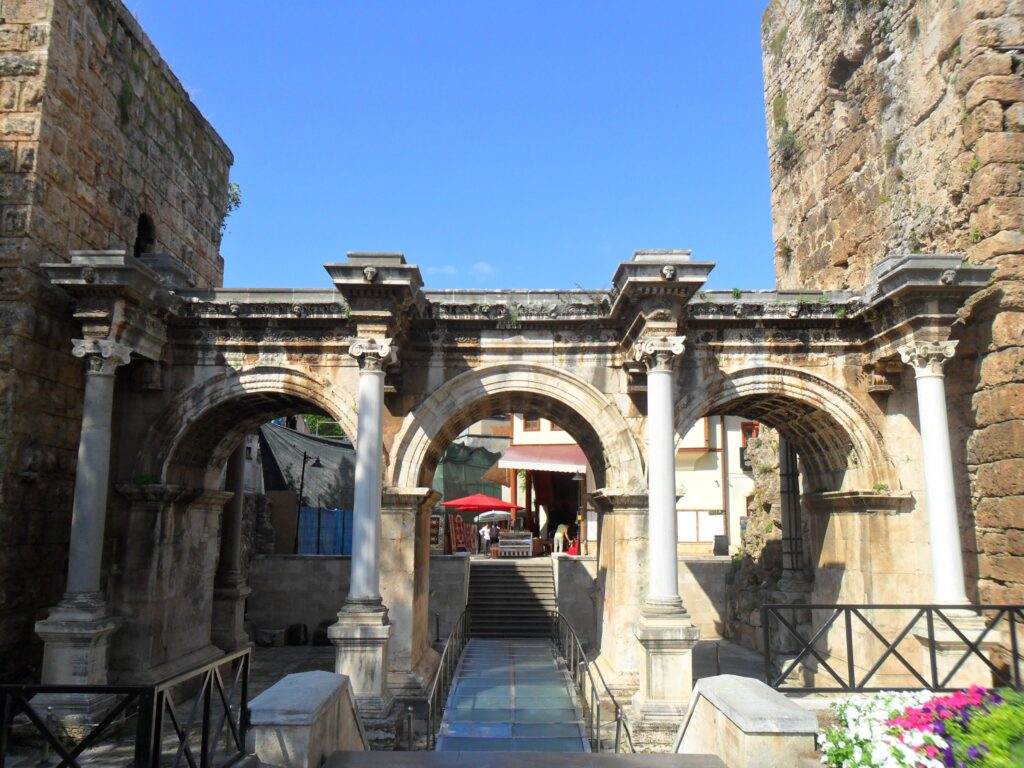
Hadrian’s Gate is a marble triumphal arch with three passages, built for the visit of the emperor Hadrian in 130 AD. That is more than eighty years after Paul’s journey, so he never saw it. Today it stands about eight meters high, because the upper story is lost. You can read about the emperor in my article on Emperor Hadrian.
The Antalya Archaeological Museum holds finds from Perge and many other sites of the region. However, it closed on July 16, 2025, and it is being rebuilt on the same site. The reopening was announced for the end of 2026, so please check before you plan your day around it.
Christian Sites in Antalya Today
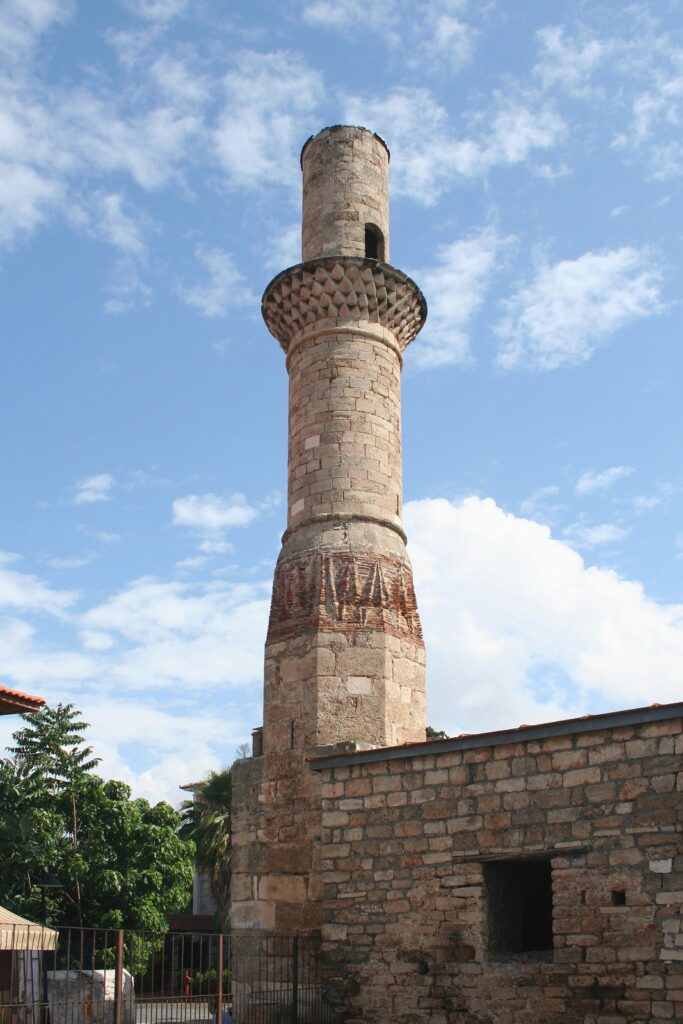
Kaleiçi also keeps the Kesik Minare, the Cut Minaret. The building began as a Roman structure, became a Byzantine church of the Virgin Mary, and has changed between church and mosque more than once. It reopened as a mosque in 2021 after a restoration, so please visit it with respect you would show in any mosque.
The living church of Antalya is Saint Alypios, a small Orthodox church in the old town, built in 1843–1844. After about eighty years it fell silent, and today it is renovated again. Metropolitan Job of Pisidia calls it the only Orthodox church of worship in Antalya, and Patriarch Bartholomew celebrated the Divine Liturgy there on December 9, 2024. I recommend my guests to ask about service times first, becuase it is a working church.
Perge Ancient City
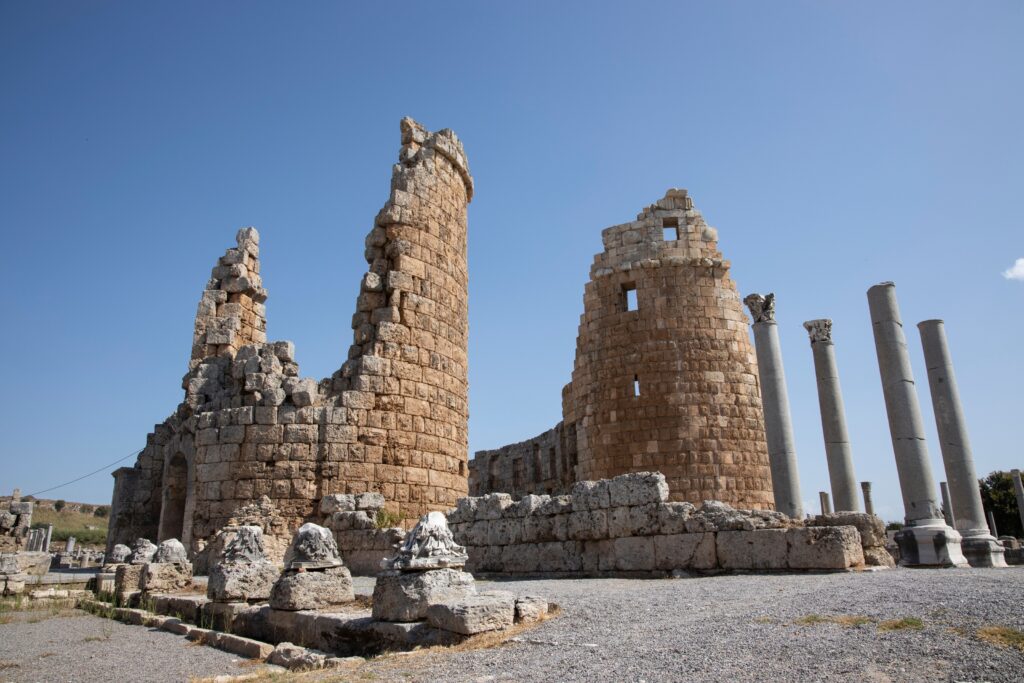
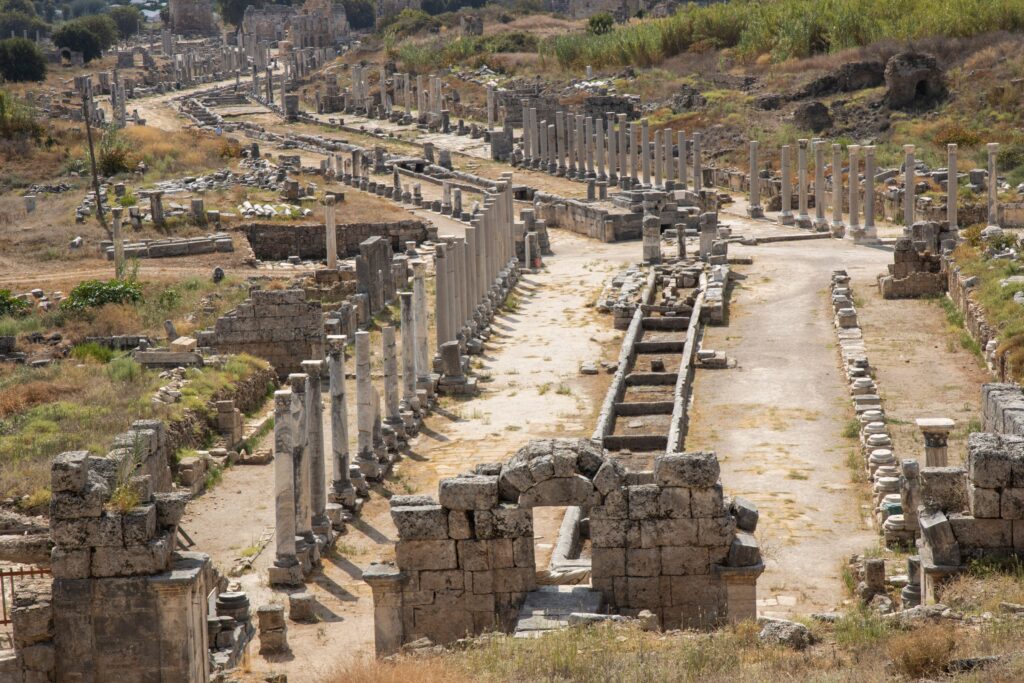
Perge lies roughly 15 kilometers east of Antalya, in the Aksu district. Paul and Barnabas came here by ship from Cyprus, and this is where John Mark turned back (Acts 13:13). Paul does not seem to have preached here on the way out, on the way back he did and Acts 14:25 records it. The Via Sebaste, the Roman road to Antioch of Pisidia, began at Perge.
Honestly, the ruins do not hold a trace of Paul. The archaeologist who until recently led the excavations told the Turkish newspaper Hürriyet that no building tied to him has been identified. What you see is the Roman and Byzantine city he passed through. The Saint Paul Trail, a long walking route, follows roughly his way into the mountains.
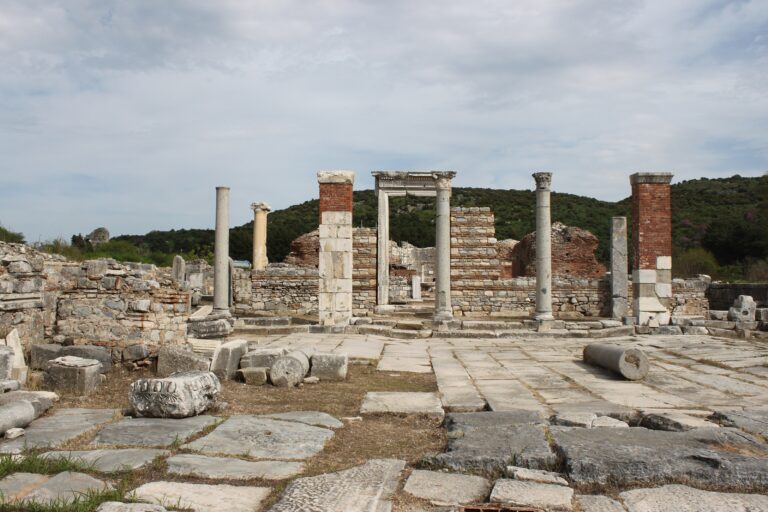
The main street has a water channel in the middle, a fountain at its end and shops along both sides. The Hellenistic gate has two big round towers. In the early second century a priestess and benefactor named Plancia Magna turned it into a monumental gate complex. Theater and the stadium stand outside the walls.
Perge became a Christian center in the 4th century, and it was the capital of the Roman province of Pamphylia Secunda. Its bishop Callicles is listed at the Council of Nicaea in 325, and excavations have found churches of the 5th and 6th centuries. I recommend my guests to read Acts 14:25 at the main street before they do anything else. You can find more in Wikipedia’s article on Perga.
Side and Aspendos
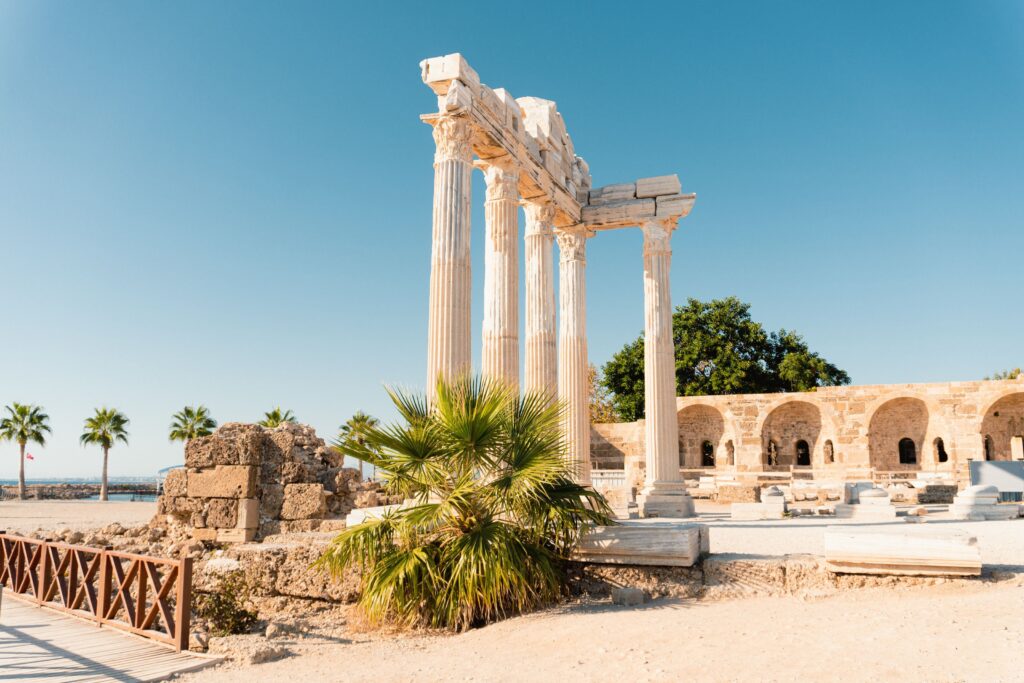
First of all, Side is a peninsula city about 78 kilometers from Antalya. In the 5th and 6th centuries it was the church center of eastern Pamphylia, and chapels were built inside its great theater in the 5th century. The site also has the ruins of a Byzantine basilica too. The Temple of Apollo, built around 150 AD, has five standing columns, restored between 1984 and 1990, so the pagan and Christian layers sit close together.
Aspendos is not a Christian site but it was a bishopric under the metropolitan of Side. Its theater, built by the architect Zenon around 155 AD, is often called the best preserved theater of antiquity. Early Christians lived in cities like this one, and the theater helps us to picture their world. See my article on the Aspendos Theater.
Demre and the Church of Saint Nicholas
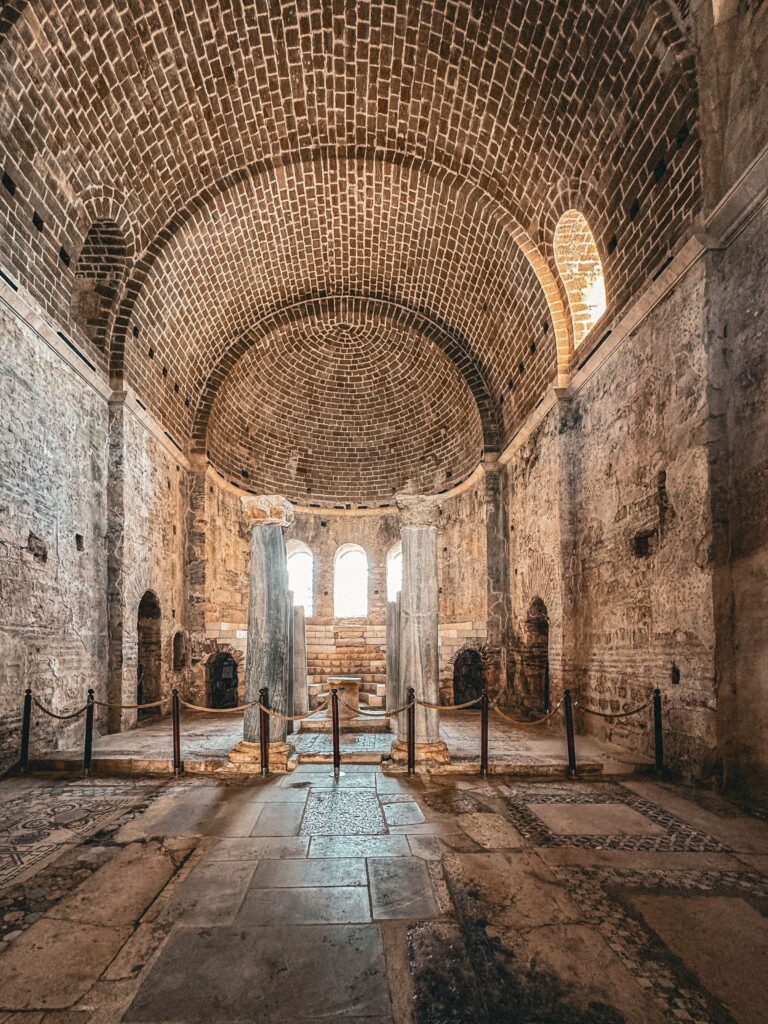
Saint Nicholas, the bishop of Myra in the 4th century, is the historical man behind Santa Claus, who is Noel Baba in Turkish. His church stands in Demre, ancient Myra. By the way, the town was called Kale until 2005, when it was renamed Demre. A church has stood over the site since the 6th century, and the building you see grew over the centuries.
River silt buried much of ancient Myra, so the restoration included drainage against rain and groundwater. The Ministry of Culture and Tourism made a great job with the restoration, which added new protective roofs from the crypt to the dome. Some reports in 2023 spoke of a reopening, but the museum director told Anadolu Agency that the church was never fully closed during the work.
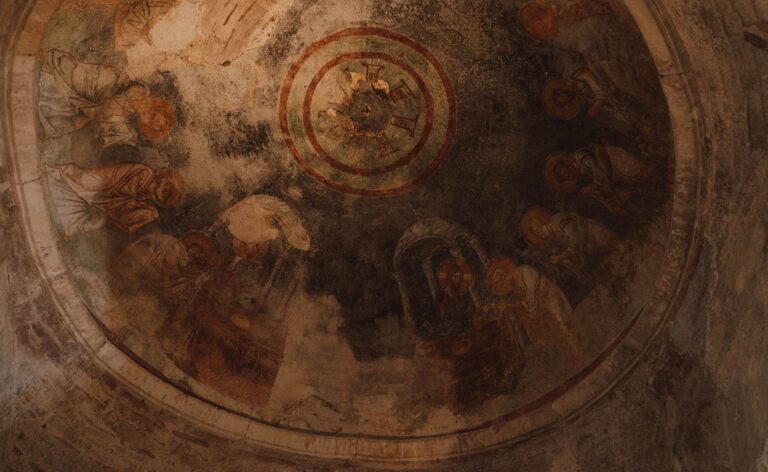
In 1087 merchants from Bari took most of the saint’s bones to Italy, so the main relics are in Bari today, and you visit his first burial place. The frescoes, the apse and the floor of colored marble make it one of the best-known historical buildings of Antalya Province. I also mention it in my article on 7 Breath Taking Byzantine Attractions in Turkey.
Myra and Andriake
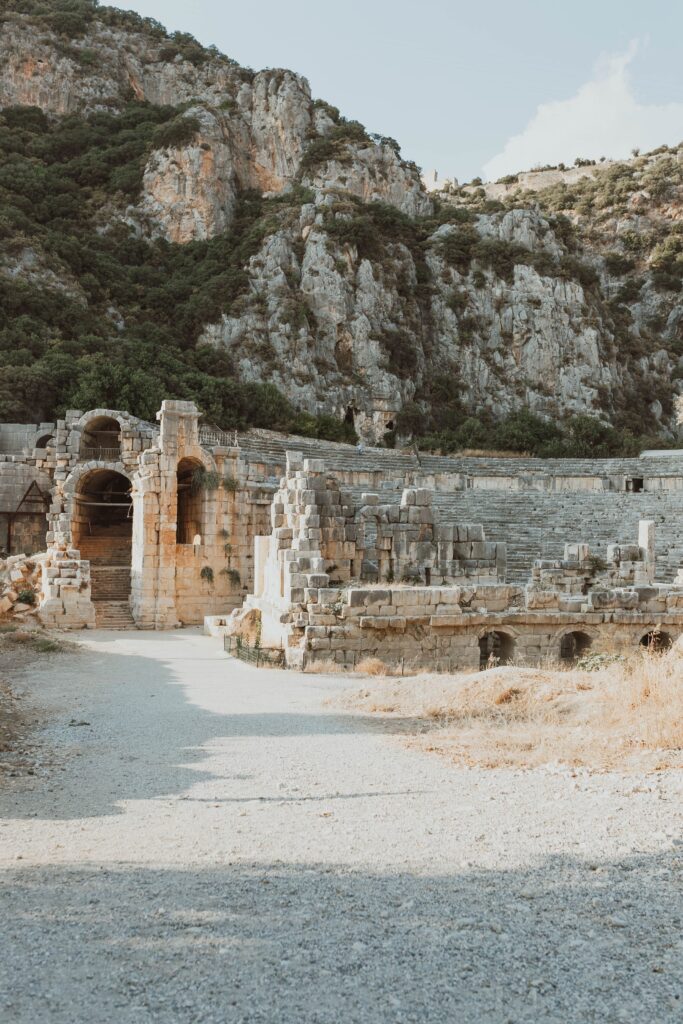
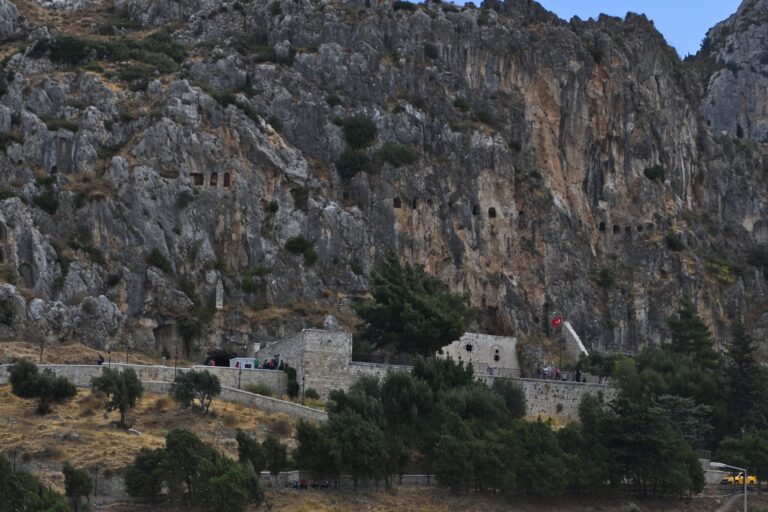
Myra was one of the largest cities of the Lycian League. Its Roman theater and the rock-cut Lycian tombs on the cliffs are the most striking ruins. For Paul, Myra is the place where a centurion moved his prisoners to a grain ship bound for Italy (Acts 27:5–6).
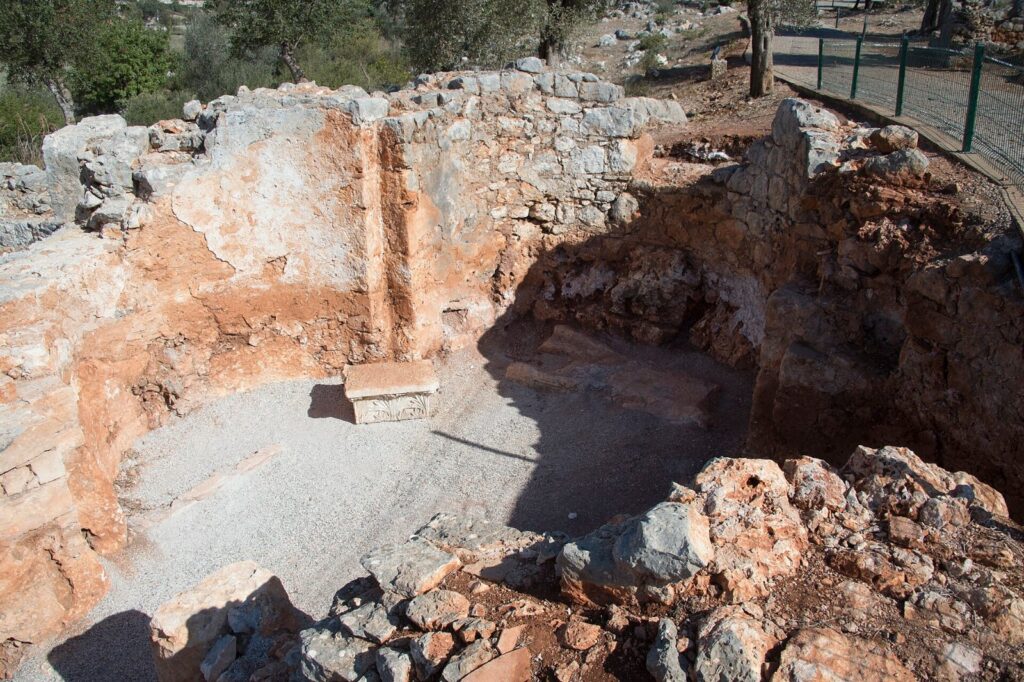
The harbor of Myra was Andriake, a few kilometers down the river, and scholars think the ship change happened there. A granary built under Hadrian still stands at Andriake, and today it houses the Museum of Lycian Civilizations. The site also has the ruins of churches and a synagogue.
Patara Ancient City
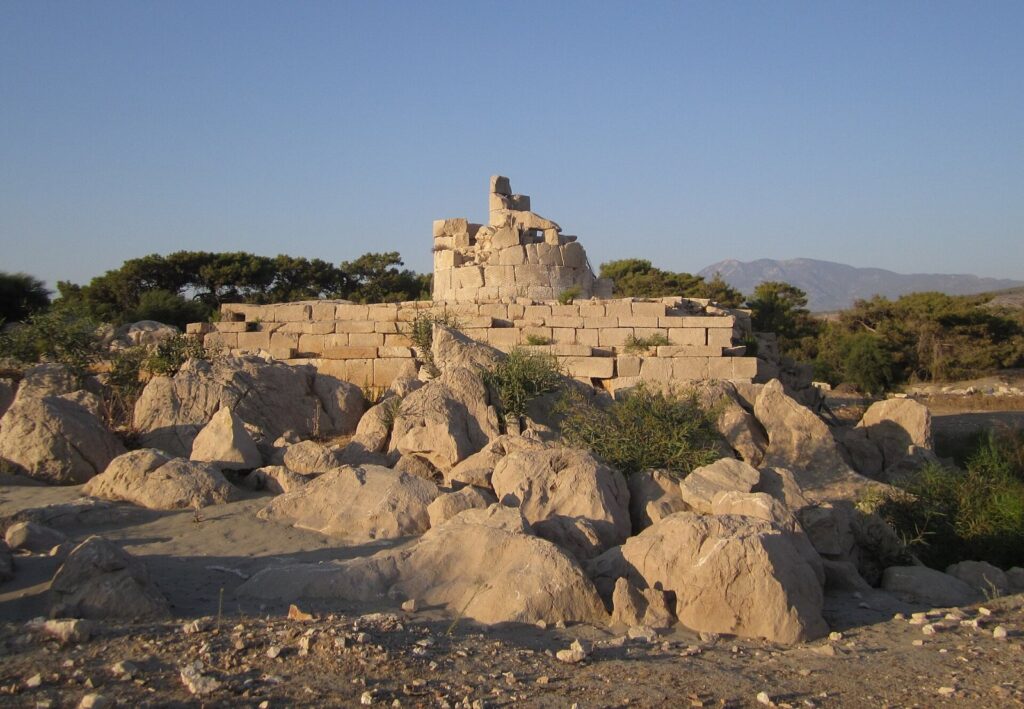
Patara was the main port of Lycia and a leading city of the Lycian League and its assembly hall still stands. Paul changed ships here and found a vessel crossing to Phoenicia (Acts 21:1–2). By tradition, Saint Nicholas was born in Patara around 270 AD, and he became bishop in nearby Myra.
Patara also has one of the oldest surviving lighthouses. However, an inscription dates it to about 60 AD under Nero, a few years after Paul’s stop, which came just before his arrival in Jerusalem in 57 AD. So Paul did not see this tower. Patara had a Christian community early. Its bishop Eudemus is listed at Nicaea in 325, and Saints Leo and Paregorius were martyred here around 260 AD.
Xanthos and the Letoon
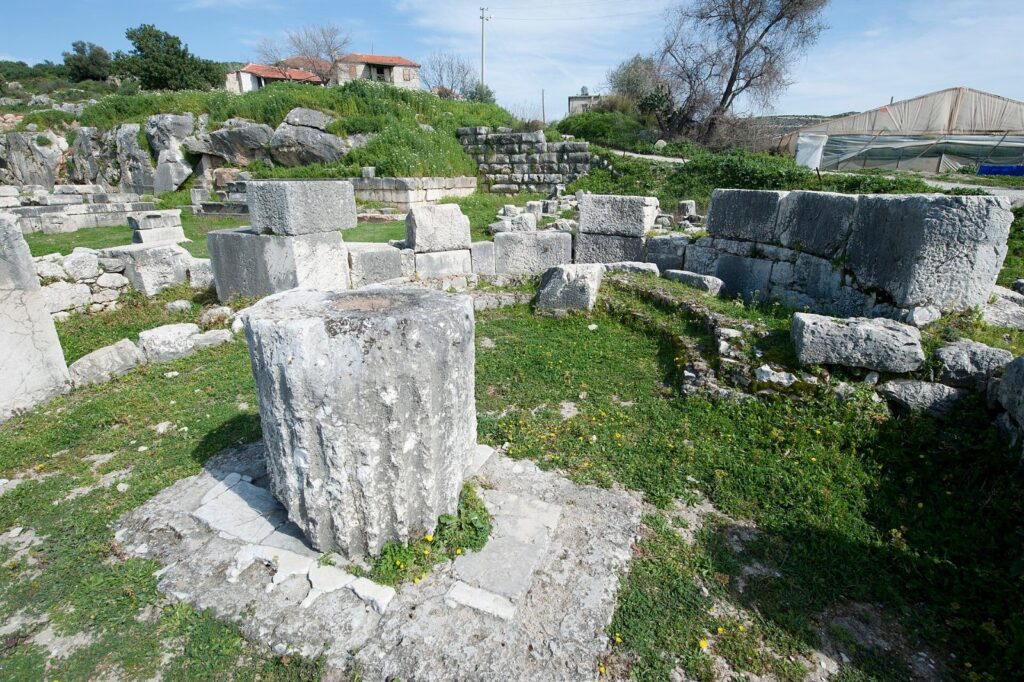
Xanthos and the Letoon, four kilometers apart, are on the UNESCO World Heritage List since 1988. Xanthos was a major city of the Lycians and in the Byzantine period it got a large basilica, a small chapel and a second basilica on the acropolis. The Letoon was the sanctuary of Leto and her twin children Apollo and Artemis, and later a basilica church was built there.
The change from the old gods to Christ is visible in one place here. Perge and Side are east of Antalya, while Demre, Patara and Xanthos are laying far to the west, so it makes sense to plan the east and the west of the region as two separate days. If you go on to the Aegean side, my guide to Christian Turkey for first-time visitors is a good next step.
Frequently Asked Questions
Did Apostle Paul visit Antalya?
Yes. On the way home from his first journey, Paul and Barnabas went down from Perga to Attalia, today’s Antalya, and sailed to Antioch (Acts 14:25–26). Paul also changed ships at Patara and Myra on the western side of the Antalya region, as Acts 21 and Acts 27 tell.
Where is Perge ancient city?
Perge is roughly 15 kilometers east of Antalya, in the Aksu district, on the coastal plain between the Düden and Aksu rivers. It was the capital of the Roman province of Pamphylia Secunda. Side and Aspendos lie farther east along the same coast.
Can you visit the Church of Saint Nicholas in Demre?
Yes. The church is run as a museum by the Ministry of Culture and Tourism, and according to its director it stayed open during the recent restoration. Please check the current opening hours and the ticket price before you go.
Is the Antalya Archaeological Museum open?
No, not at the moment. It closed on July 16, 2025, and a new museum is being built on the same site. The collection is in temporary storage. The ministry announced a reopening by the end of 2026, so check for news before you plan.
Hire Biblical Tour Guide in Turkey
I’m a nationally licensed Turkish tour guide based in Kuşadası, nearby Ephesus, and I have been guiding since 2008. My day guiding is in Ephesus, İzmir and Pamukkale.
My license is valid all over Turkey. For Antalya, Perge, Side, Demre and Patara, I can join you as your personal guide on a longer journey, while you arrange your transport and hotels yourself or through a licensed travel agency. See my guiding rates and guiding areas or write to me through my contact page.
I hope we will see each other on the main street of Perge or at the old harbor of Attalia. You can always write to me with your questions about the Christian sites in Antalya. See you soon, Hasan Gülday.