The Pergamon Altar in Berlin is the best known of the seven greatest treasures lost from Christian Turkey. The others are the relics of Saint Nicholas, taken to Bari in 1087, the relics of Saint Andrew, the Sumela icon, the mosaics of Antioch, the Library of Pergamon and the Sion Treasure of Byzantine church silver. Each one left for a different reason.
Add Tours Around Turkey as a preferred source on Google
Most of what I write on this website is about what survives in Christian Turkey, what you can still see, touch and pray in. This article is the inverse. It is about what is no longer here. I do not write it to blame anybody, because objects move through history for many reasons. Let’s have a look at the seven.
Where Are the Seven Treasures Now?
Most are now in other countries, at least in part, and one has vanished.
- Pergamon Altar: the Pergamon Museum in Berlin
- Relics of Saint Nicholas: Bari in Italy, with the rest in Venice
- Relics of Saint Andrew: Amalfi Cathedral in Italy
- Sumela icon: Mount Vermio in northern Greece
- Mosaics of Antioch: about half in Antakya, the rest in museums abroad, such as Princeton and Worcester
- Library of Pergamon: gone, only ruins remain
- Sion Treasure: Dumbarton Oaks in Washington and the Antalya Museum
The Pergamon Altar and the Library of Pergamon
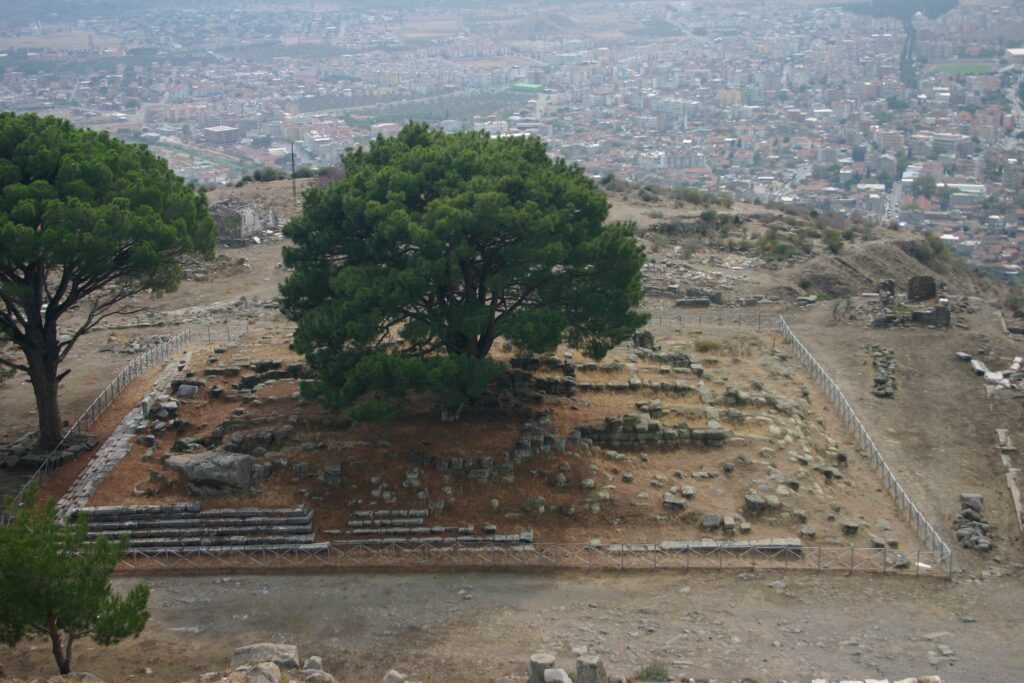
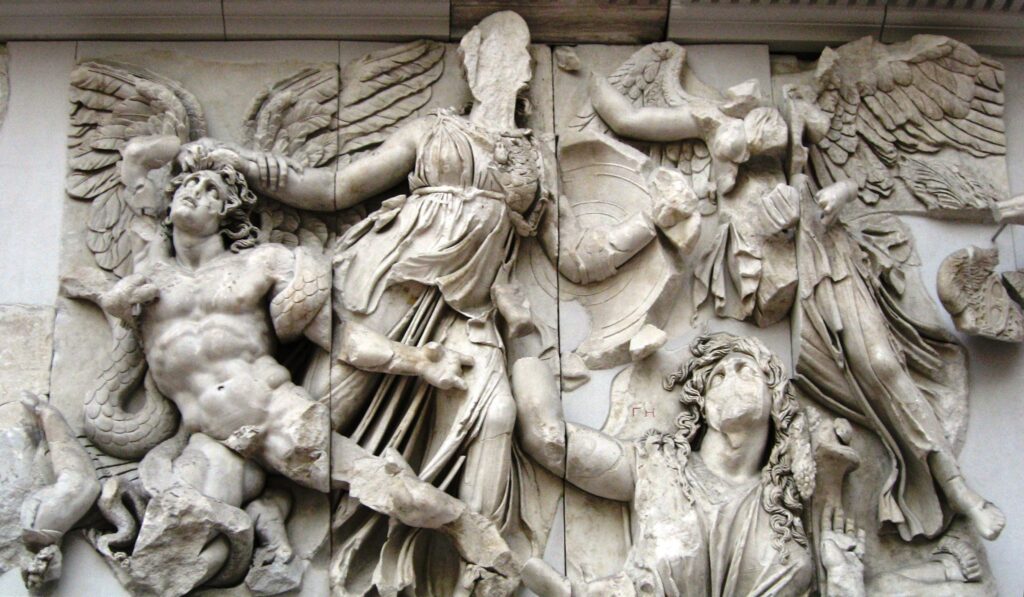
The Great Altar of Pergamon was built in the 2nd century BC under King Eumenes II. Its frieze shows the battle of the gods and the giants. Some scholars think it is the “Satan’s throne” of Revelation 2:13, which I explain in my article on the Letter to Pergamon. Nobody can be sure.
German engineer Carl Humann dug at Pergamon from 1878 to 1886. Under an agreement with the Ottoman government, the frieze and other parts of the altar went to Berlin. The altar hall has been closed for renovation for years, and the Berlin State Museums announced on 4 May 2026 that the museum reopens on 4 June 2027.
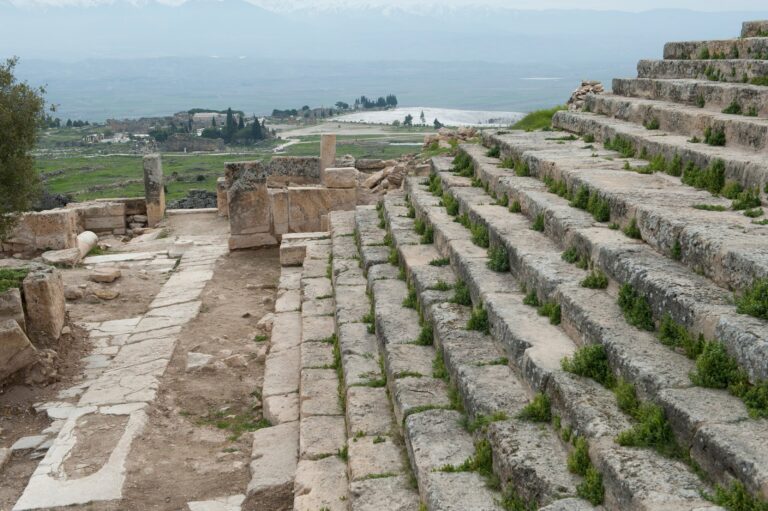
At Pergamon the foundation of the altar is still on the acropolis. You stand where the Christians of John’s day could see the great altar, but the altar is in another country. You can read about the city in my article on Pergamon Ancient City.
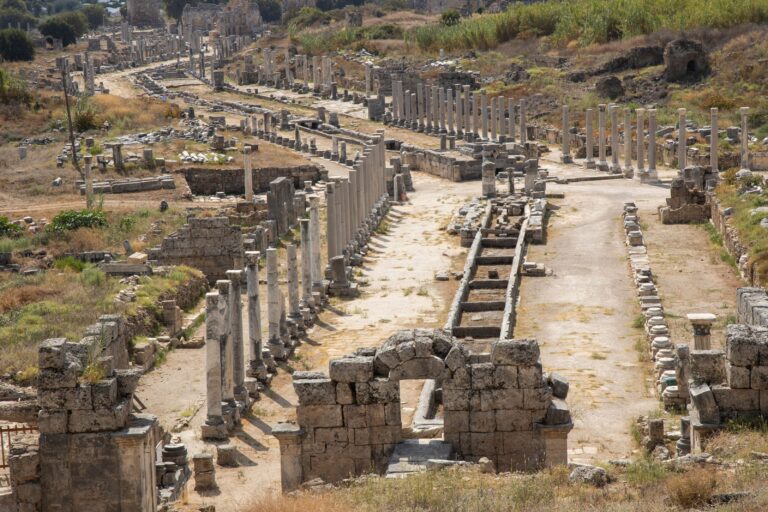
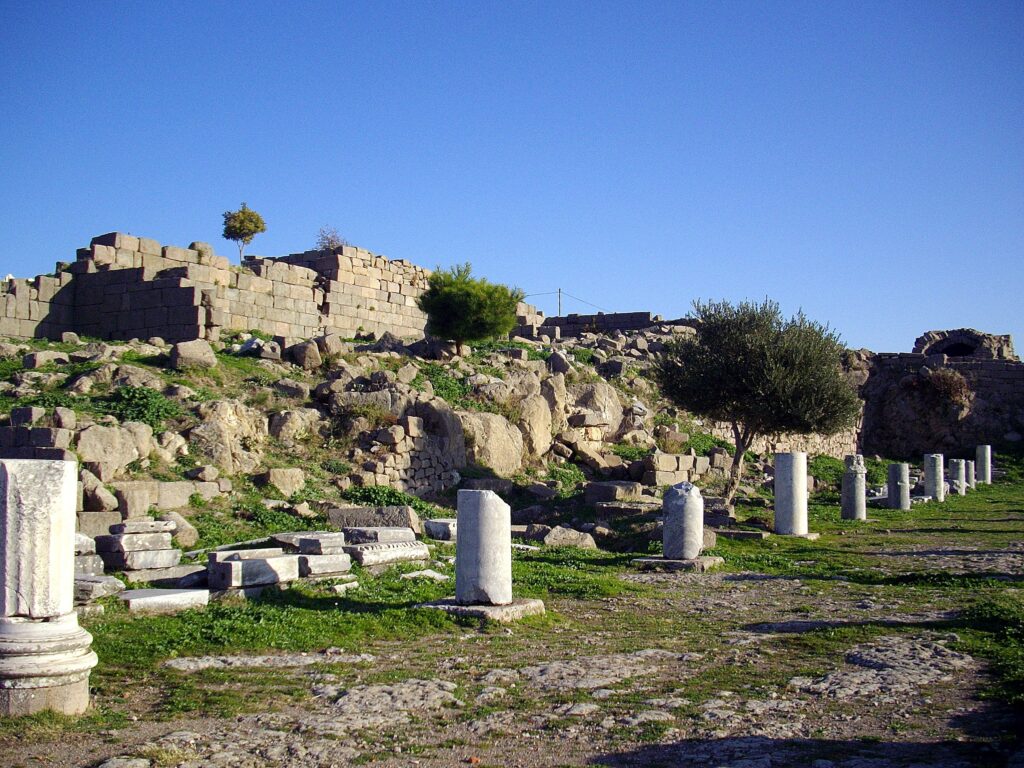
Plutarch says the Library of Pergamon held some 200,000 scrolls. He also records an accusation that Mark Antony gave the scrolls to Cleopatra, but he adds that most such accusations were thought false. Nobody knows what happened to the books. The library ruins are still on the acropolis, nearby the Sanctuary of Athena.
Relics of Saint Nicholas and Saint Andrew
Saint Nicholas was bishop of Myra, today’s Demre. In spring 1087 sailors from Bari took his main bones from the church at Myra, and they reached to Bari on 9 May. According to one chronicle, Venetian sailors took the remaining bones around 1100. Most of the relics now rest in the Basilica of San Nicola in Bari. The Church where he was buried still stands in Demre.

The relics of Apostle Andrew lay in the Church of the Holy Apostles in Constantinople from about 357. In 1208 Cardinal Peter of Capua took those still in the city to Amalfi, and most are still in Amalfi Cathedral. His skull went to Rome and returned to Patras in Greece on 24 September 1964. By the way, the Ecumenical Patriarchate in Istanbul honors Andrew as the founder of its church.
Sumela Icon and Antioch Mosaics
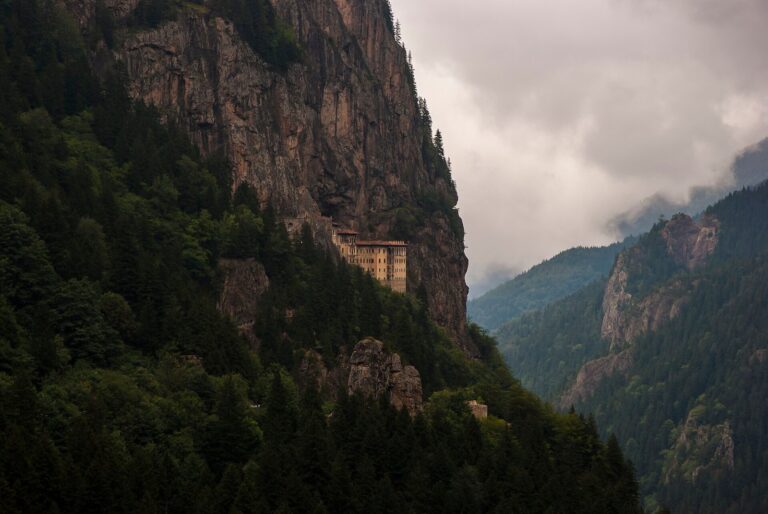
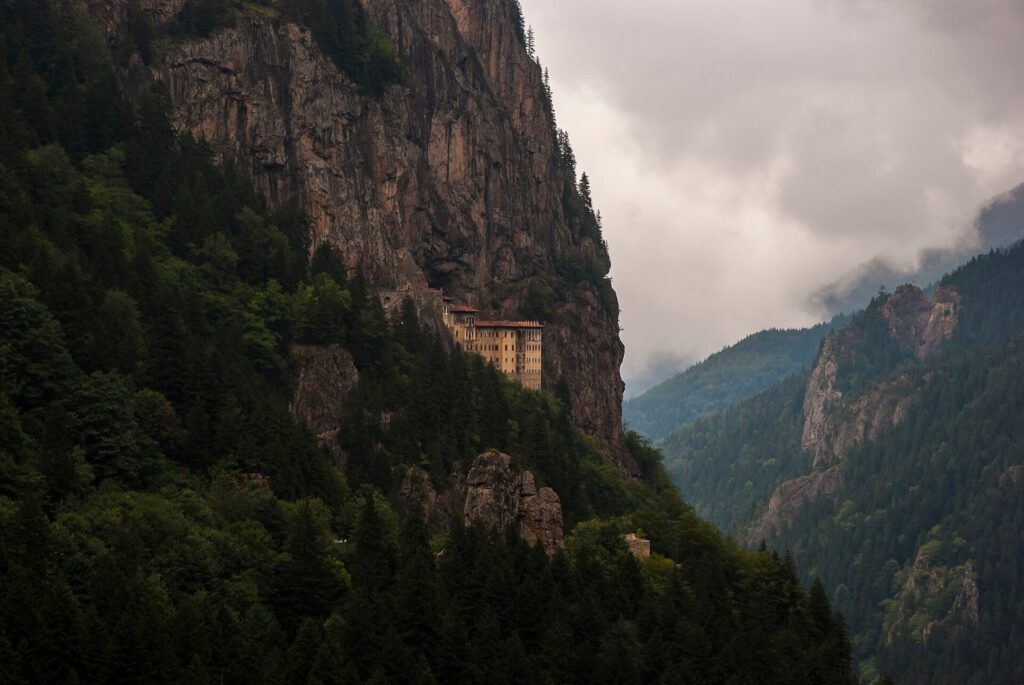
Sumela Monastery stands on a cliff above the forests near Trabzon. Tradition dates it to about 386 AD and says Saint Luke painted its icon of the Virgin Mary. The monks hid the icon nearby before they left the monastery. A Greek monk recovered it in the early 1930s with the permission of the Turkish government. Since August 1952 it has been at a new Sumela monastery on Mount Vermio, near Veria in Greece.
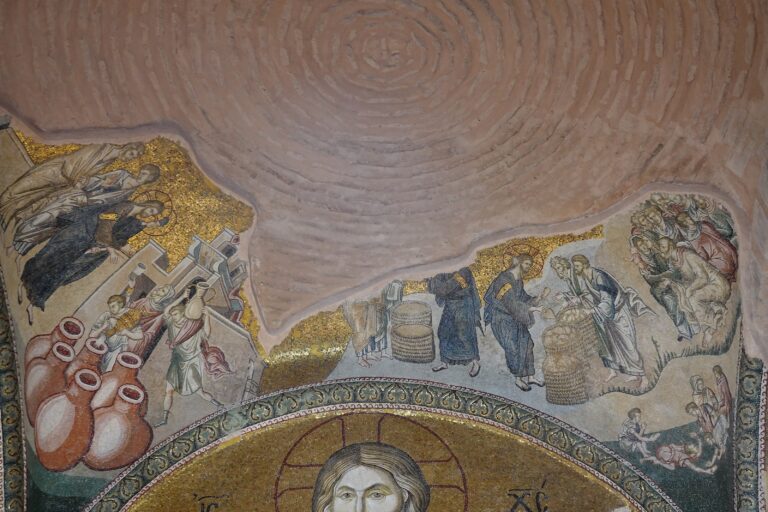
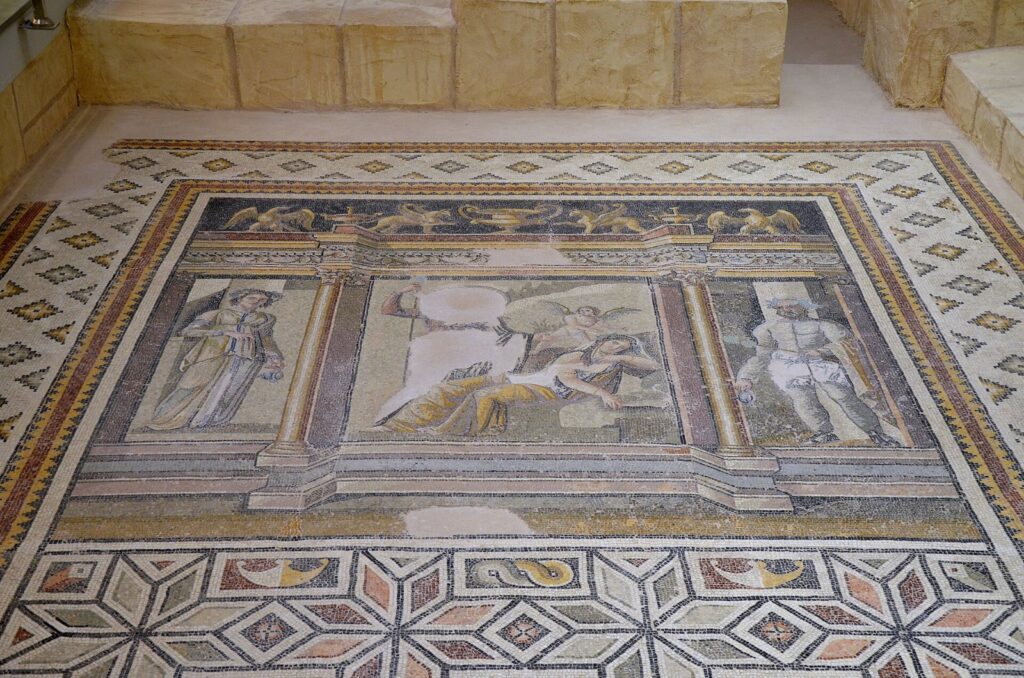
Antioch is where the disciples were first called Christians (Acts 11:26). Between 1932 and 1939, Princeton University, the Louvre, the Worcester Art Museum, the Baltimore Museum of Art and Dumbarton Oaks dug in and around the city. They found more than 300 mosaic floors. About half stayed in Antakya, and rest went to the museums that took part.
The Hatay Archaeology Museum in Antakya was damaged in the 2023 earthquakes and has opened again. Please check the opening hours before you go. See also my article on Antioch.
The Sion Treasure
The Sion Treasure is a hoard of 6th-century church silver found near Kumluca in Lycia in 1963. Scholars count about 57 pieces, such as patens, chalices, lamps, censers and book covers. Most of the known pieces are shared between Dumbarton Oaks in Washington and the Antalya Museum, and a few are in private collections.
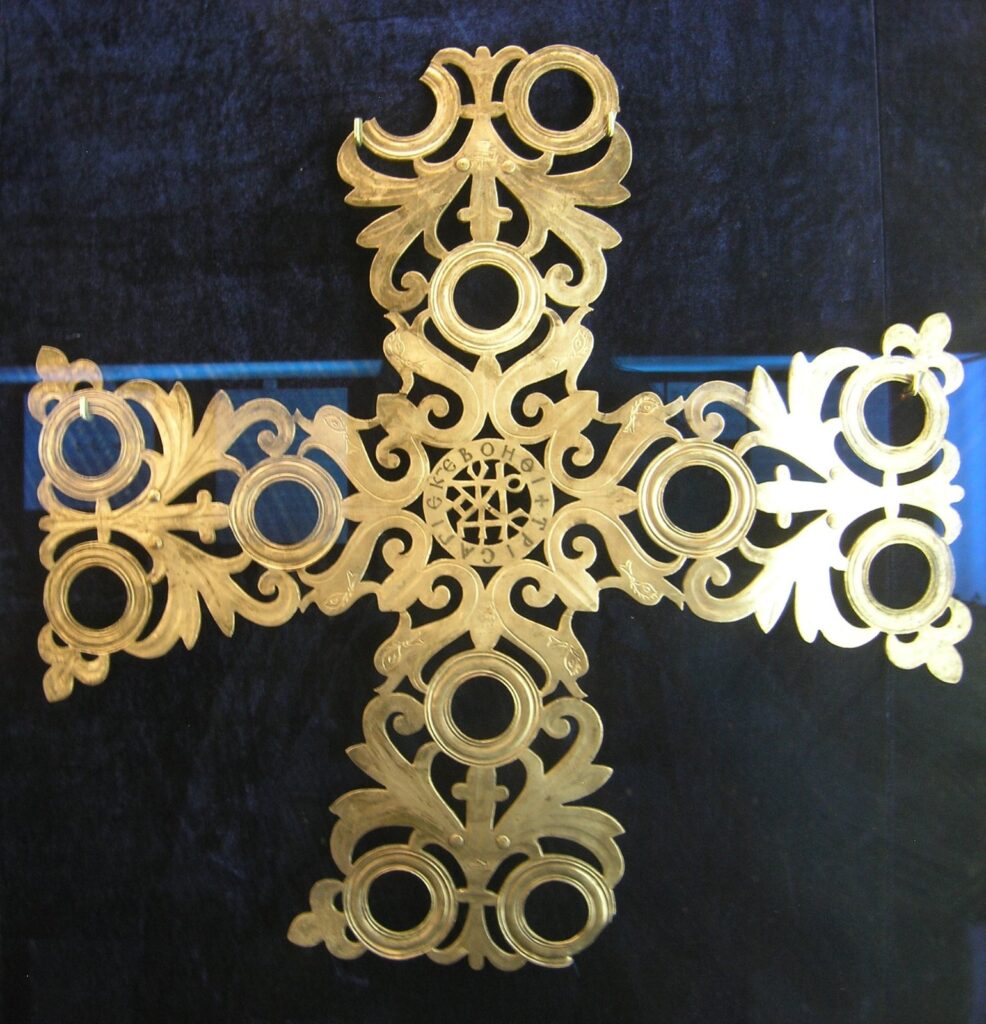
The name of the treasure comes from an inscription that mentions “Holy Sion.” Scholars usually link it to the monastery of Holy Sion in the mountains behind Myra, where Saint Nicholas of Sion was abbot in the 6th century. Many pieces carry the name of a Bishop Eutychianos, who is known only from this silver. By the way, Nicholas of Sion is not Nicholas of Myra, but later their stories were mixed together.
The treasure was probably buried in the early 7th century, and nobody knows exactly why. Some pieces were bent or crushed before burial, perhaps they were going to be melted down.
What Came Back and What Remains
Some things did come back. On 27 November 2004 Pope John Paul II gave relics of Saint John Chrysostom and Saint Gregory of Nazianzus to Patriarch Bartholomew I, and a service in Istanbul marked their return to the city. On 15 August 2010 the Patriarch led a liturgy at Sumela for the feast of the Dormition of the Virgin Mary.
What is lost is gone but what remains is enormous. By tradition, the tomb of the apostle John is still on Ayasuluk Hill in Selçuk, and the Basilica of Saint John stands nearby Ephesus. The House of the Virgin Mary also still receives visitors too. If you are new to the subject, start with my guide to Christian Turkey for first-time visitors.
Frequently Asked Questions
Where is the Pergamon Altar today?
The frieze and the main parts of the Pergamon Altar are in the Pergamon Museum in Berlin. Only the foundation remains at Pergamon, above today’s Bergama. The Berlin museum announced its reopening for 4 June 2027.
Where are the relics of Saint Nicholas?
Most are in the Basilica of San Nicola in Bari, Italy, where sailors brought them in 1087. Venice keeps the rest in San Nicolò al Lido. The church where he was buried still stands in Demre, Turkey.
Is Saint Nicholas a real saint?
Yes. Nicholas was a bishop of Myra in the 4th century, and the church remembers him on 6 December. Many details of his life come from later stories.
Hire Biblical Tour Guide in Turkey
I’m a nationally licensed Turkish tour guide based in Kuşadası, nearby Ephesus. My day guiding is in Ephesus, İzmir and Pamukkale. On longer journeys elsewhere in Turkey, my national license lets me join you as your personal guide. You can see my guiding rates and guiding areas, or write to me through my contact page to ask about my availability.
I hope we will see the places that remain together. You can always write to me with your questions about Christian Turkey. See you soon, Hasan Gülday.