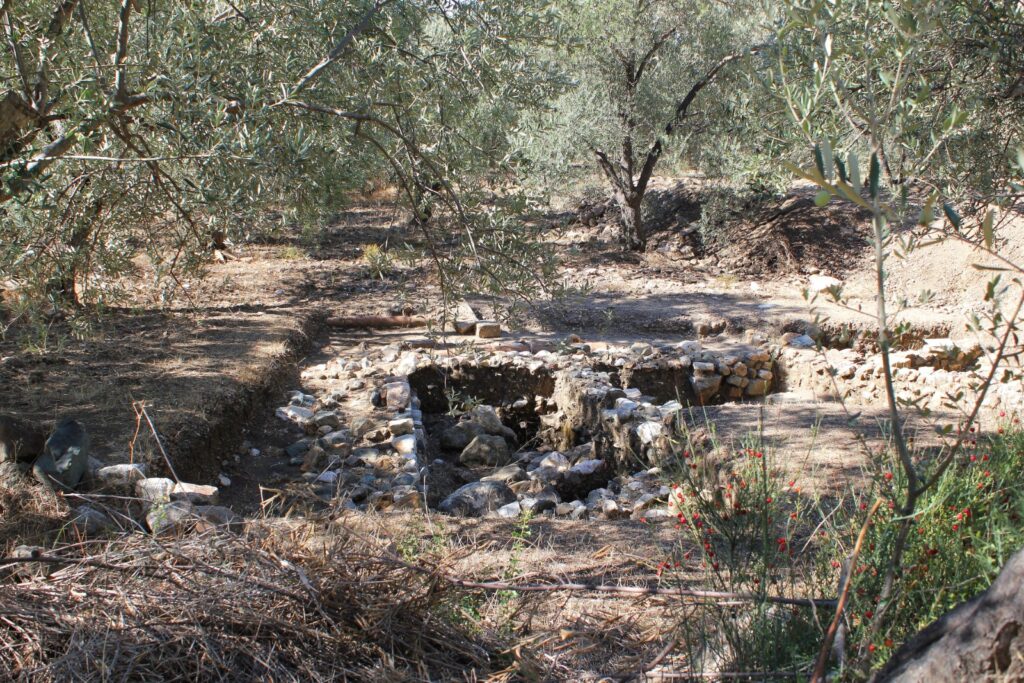
Antandrus Ancient City stands on the northern shore of the Gulf of Edremit, between Altınoluk and Avcılar in Balıkesir Province, at the foot of Mount Ida. It was a port town of the Troad, known for its ship timber. Today archaeologists are uncovering a Roman house with mosaics and a large cemetery.
Add Tours Around Turkey as a preferred source on Google
| Where | Between Altınoluk and Avcılar, Edremit district, Balıkesir Province |
|---|---|
| Region | The Troad, on the Gulf of Edremit |
| Mountain | Mount Ida, called Kazdağı in Turkish |
| Known for | Ship timber and the Trojan legend |
Antandrus Ancient City in Turkey is an interesting archaeological site where we stop on our tours while passing the legendary Ida Mountain. Although Antandrus is not very often visited, this ancient city is important because it is the starting point of the Trojan legend. The beauty contest between the goddesses was held in this city and it was the beginning of the Trojan war. Refugees who fled from Troy city at the end of the war started their sea voyages to Rome from Antandrus. It is a great pleasure for everyone to listen to all these stories under the 800-year-old olive tree in Antandrus.
Although information about the city of Antandrus is not commonly found in ancient sources, the name of the city is frequently mentioned between Athens and Sparta in the Peloponnesian Wars. In the first phase of the war, we get information about Antandros from Thukydides. The Athenians, who conquered the island of Lesbos and the city of Mytilene sent some of the people of the occupied areas into exile. These people, exiled from Mytilene and other parts of the island of Lesbos, captured Antandros by taking mercenaries from Peloponnesos with them. These people will take advantage of the fact that Antandrus is close to Mount Ida and there are plenty of materials to be used in shipbuilding.

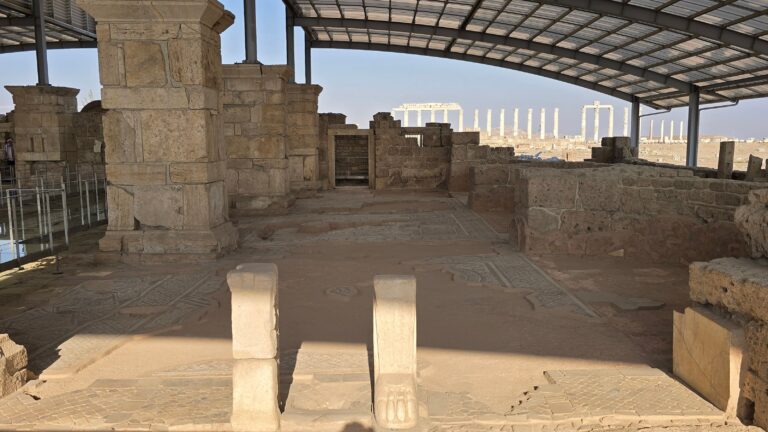
By the 4th century BC, Antandrus, which was under the control of the Persian satraps gained its freedom after Alexander the Great took over Anatolia. It started to coin again as a free city since the second half of the 4th century BC. After Rome entered Anatolia, Antandros, which, like all of Anatolia, came under the rule of the Roman Empire, became a bishopric center during the Christian era. Excavations in Antandrus started in 2001 and still continue. As a result of previous illicit excavations a floor mosaic dating from the Roman Period was unearthed. Mosaic is in a rich house believed to be dating back to the 1st century AD, with frescoes on its walls and mosaic floors.
I recommend visiting Antandrus to all explorers coming to Turkey and wishing to go off the main tourist routes used by everyone. Antandrus gives a unique chance to experience modern archeologists on the site and ruins being unearthed right in front of you. You can write to me if you wish to learn more about Antandrus. Also you can contact me if you need a professional licensed tour guide to take you to Antandrus ancient city. See you soon, Hasan Gülday.
Antandrus Ancient City and the Aeneid
In the Roman poem the Aeneid, the leader of the Trojan refugees is Aeneas. He builds his fleet at Antandrus, at the foot of Mount Ida, and sails west to find a new home.
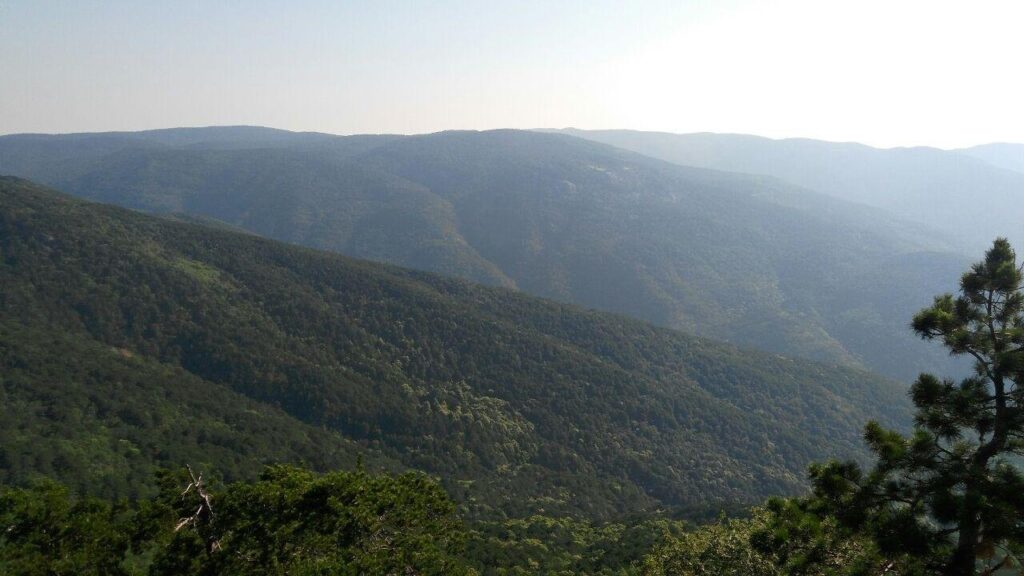
Antandrus is also written Antandros. Assos lies further west on same shore, and my posts on the Legend of Troy and on Assos tell you more about this corner of the Troad.
The Cemetery of Antandrus
Hundreds of tombs have been found in the cemetery, from the 8th century BC to Roman times. Some people were buried in big clay jars called pithoi, so the city was already there around 700 BC.
Frequently Asked Questions
How do you get to Antandrus?
Go to Altınoluk, a town on the northern shore of the Gulf of Edremit in Balıkesir Province. The ruins are on the slopes between Altınoluk and the village of Avcılar.
Can you visit Antandrus?
It is a working excavation, so some parts can be closed while the team digs. Write to me before you go, and I will tell you what you can see at that time.
What does the name Antandrus mean?
One old story says it means “in exchange for a man”. In it, Ascanius, the son of Aeneas, was captured, and the city was handed over as his ransom.