The seven ecumenical councils are the seven church-wide meetings, held between 325 and 787 AD, whose decisions both the Catholic and the Orthodox churches accept. In order, they are Nicaea (325), Constantinople (381), Ephesus (431), Chalcedon (451), Constantinople (553), Constantinople (680–681) and Nicaea again (787). All seven of them met in cities that are in today’s Turkey: İznik, Istanbul, Ephesus and Kadıköy.
This is not a small fact, and most of my guests are surprised when they hear it. Together these councils defined the core beliefs of the historic Christianity: the full divinity of Christ, the Trinity, Mary as Theotokos, the two natures of Christ in one person, and the place of icons. As a guide from Ephesus, I stand inside one of these council churches almost every week. Let’s have a look at the seven councils one by one: what each one decided, who called it, where it met and what you can still see there today.
The Seven Ecumenical Councils in Order
- First Council of Nicaea, 325 AD (İznik): Christ is “of one substance” with the Father; the first Nicene Creed.
- First Council of Constantinople, 381 AD (Istanbul): the divinity of the Holy Spirit; the longer creed most churches still recite.
- Council of Ephesus, 431 AD (Selçuk): Mary is Theotokos, the God-bearer; Nestorius is deposed.
- Council of Chalcedon, 451 AD (Kadıköy, Istanbul): Christ is one person in two natures, divine and human.
- Second Council of Constantinople, 553 AD (Istanbul): the “Three Chapters” are condemned.
- Third Council of Constantinople, 680–681 AD (Istanbul): Christ has two wills, divine and human.
- Second Council of Nicaea, 787 AD (İznik): the veneration of icons is restored.
1. First Council of Nicaea, 325 AD (İznik)
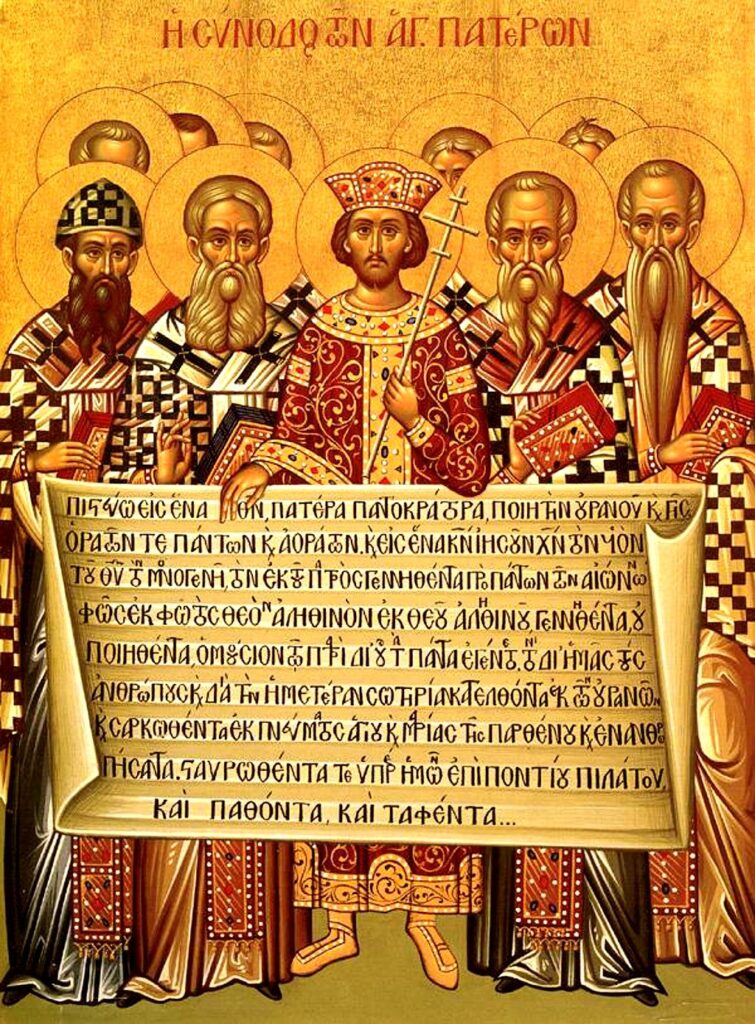
The first and the most important of the seven. Emperor Constantine the Great had just become the sole ruler of Roman Empire, and he was worried about a dispute that was tearing the church apart. He called the bishops to Nicaea in Bithynia, a small city by a lake.
Tradition says 318 bishops came; historians usually give a number between 250 and 318. By the way, the number 318 is also the number of Abraham’s servants in Genesis 14:14, so it is partly symbolic.
The question was the teaching of Arius, a priest from Alexandria, who said that Christ was a created being, the highest of all creatures but still a creature and not eternal like the Father. The council rejected this. The first Nicene Creed was written, and the word homoousios, “of one substance with the Father”, became the key word of Christian theology for all the centuries after.
The council also agreed on how to calculate the date of Easter and issued twenty canons on church discipline.
Where it met: not in the Hagia Sophia of İznik, as many people think. The ancient writers, Eusebius first of all, describe the bishops gathering in the great hall of the imperial palace at Nicaea, and nothing of that palace can be seen today. The Hagia Sophia you visit in İznik belongs to the story of the seventh council, not the first.
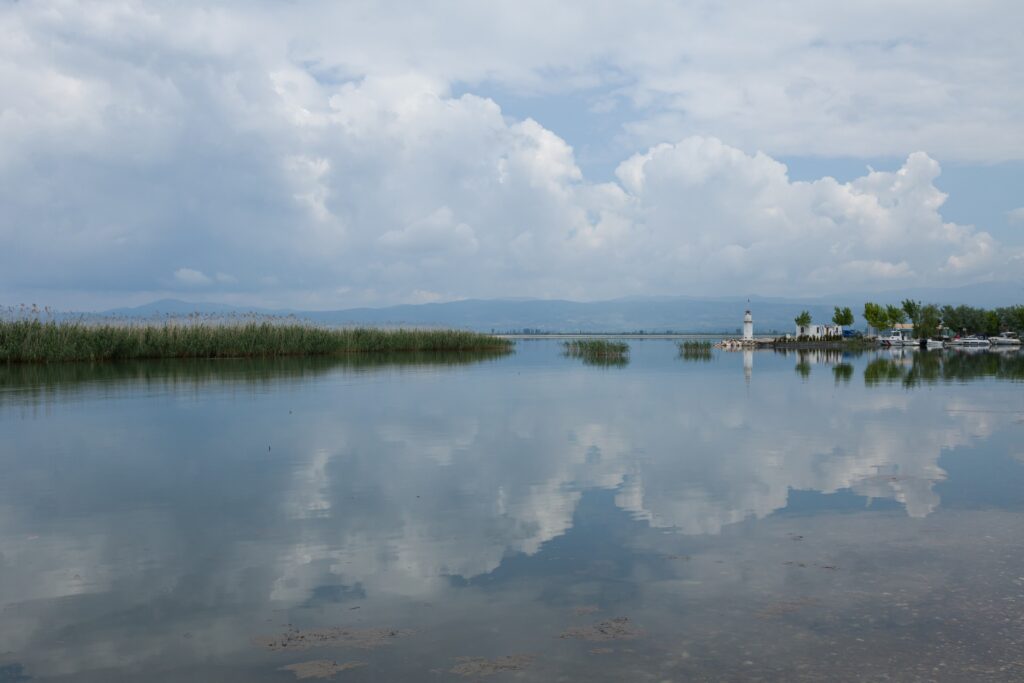
What you can see today: the Roman and Byzantine walls of İznik, almost five kilometers long, still surround the town, and you can walk through its old gates, such as the İstanbul Gate in the north and the Lefke Gate in the east.
At the edge of Lake İznik lie the ruins of a basilica dedicated to Saint Neophytos, spotted from the air in 2014. Some archaeologists think it may have been built because of the council. On November 28, 2025, Pope Leo XIV and Ecumenical Patriarch Bartholomew prayed together at these ruins to mark the 1,700th anniversary of the council. İznik is a quiet district of about 45.000 people today, and the contrast between this small lakeside town and its huge place in world history amazes me every time.
2. First Council of Constantinople, 381 AD (Istanbul)
Emperor Theodosius I called this council while he was making Nicene Christianity the official faith of the Roman Empire. About 150 bishops came, all of them from eastern half of the empire. The council finished the work of Nicaea. The creed was expanded into the longer form that most churches still recite today, which we call the Niceno-Constantinopolitan Creed, and the full divinity of the Holy Spirit was affirmed against a group called the Pneumatomachi, the “fighters against the Spirit”.
The council also gave the bishop of Constantinople the second place of honor after the bishop of Rome. In addition, this decision started a long rivalry between the two cities, which played its part in the Great Schism of 1054, more than six centuries later.
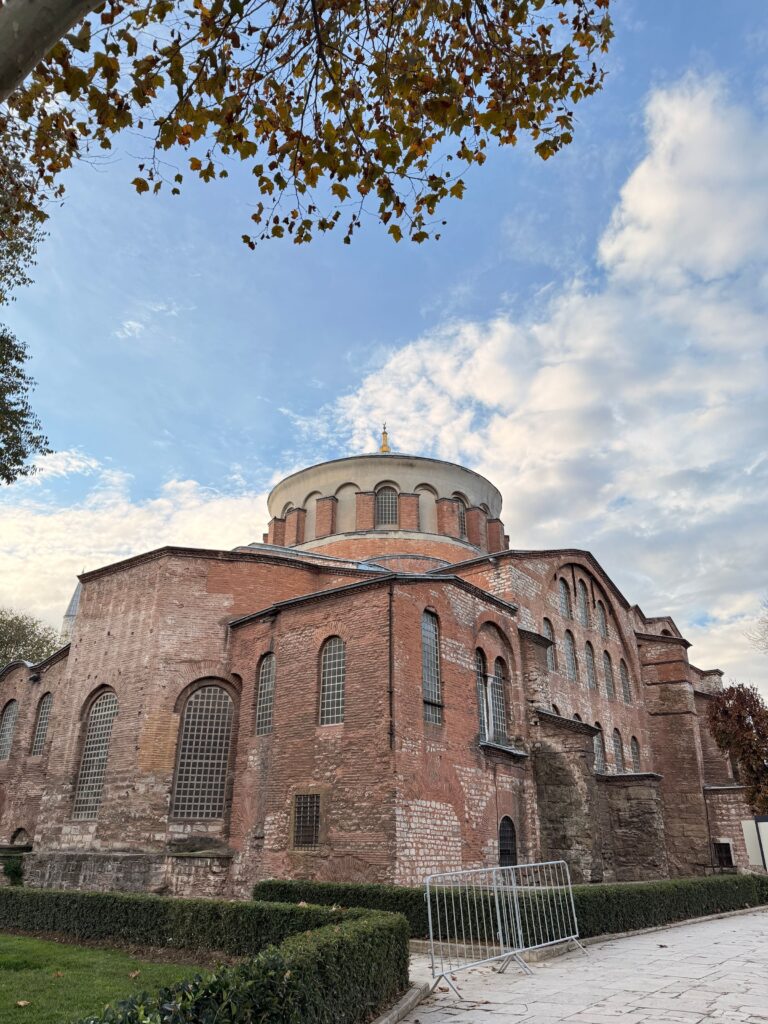
Where it met: tradition places the council in Hagia Irene, the older of the two great churches by the imperial palace. The building we see today was rebuilt by Justinian in the 6th century, and it stands in the first courtyard of Topkapı Palace in Istanbul. It was never turned into a mosque; the Janissaries used it as an arsenal until 1826. As of October 2026 it is a museum open every day except Tuesday, with its own ticket or a combined Topkapı ticket.
3. Council of Ephesus, 431 AD (Selçuk)
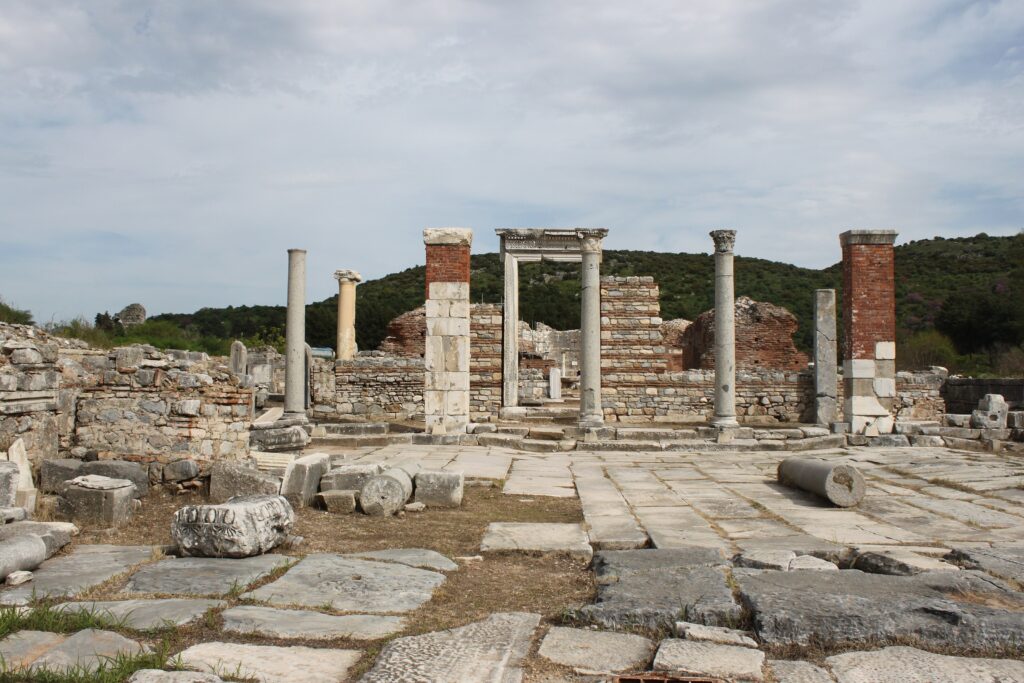
This is my council, if I can say so. Emperor Theodosius II called it, and about 200 bishops came to Ephesus. It is the council that gave the Virgin Mary the title Theotokos, the God-bearer, and condemned Nestorius, the Archbishop of Constantinople. Nestorius had argued that Mary gave birth to the human nature of Christ only, so she should not be called as the Mother of God.
The meetings were chaotic and the politics were rough. Cyril of Alexandria, the strongest figure of the council, opened the sessions before the bishops from Antioch arrived and had Nestorius condemned. When John of Antioch and his bishops reached Ephesus, they held their own council and condemned Cyril and the local bishop Memnon. For a while the Emperor’s officials even kept Cyril and Memnon under guard.
In the end Cyril’s side won, Mary was confirmed as Theotokos, and Nestorius was later exiled to the Great Oasis in the Egyptian desert, where he died around the time of the Council of Chalcedon. I wrote the whole story in my article on the Council of Ephesus of 431.
Where it met: the Church of Mary in Ephesus, built into the western part of a huge Roman hall, the south stoa of the Olympieion, near the old harbor. We also call it the Double Church, because later two smaller churches were built inside the ruins, one behind the other.
Most groups enter Ephesus from the Upper Gate and walk down to the Lower Gate, and the Church of Mary is a short walk from the Lower Gate. Many people are leaving without seeing it, which is a pity, because it is one of the most important rooms in the history of Christianity. By the way, the Basilica of Saint John on Ayasuluk Hill was the biggest church of Ephesus, but the Church of Mary is the one where Mary was proclaimed Theotokos.
4. Council of Chalcedon, 451 AD (Kadıköy, Istanbul)
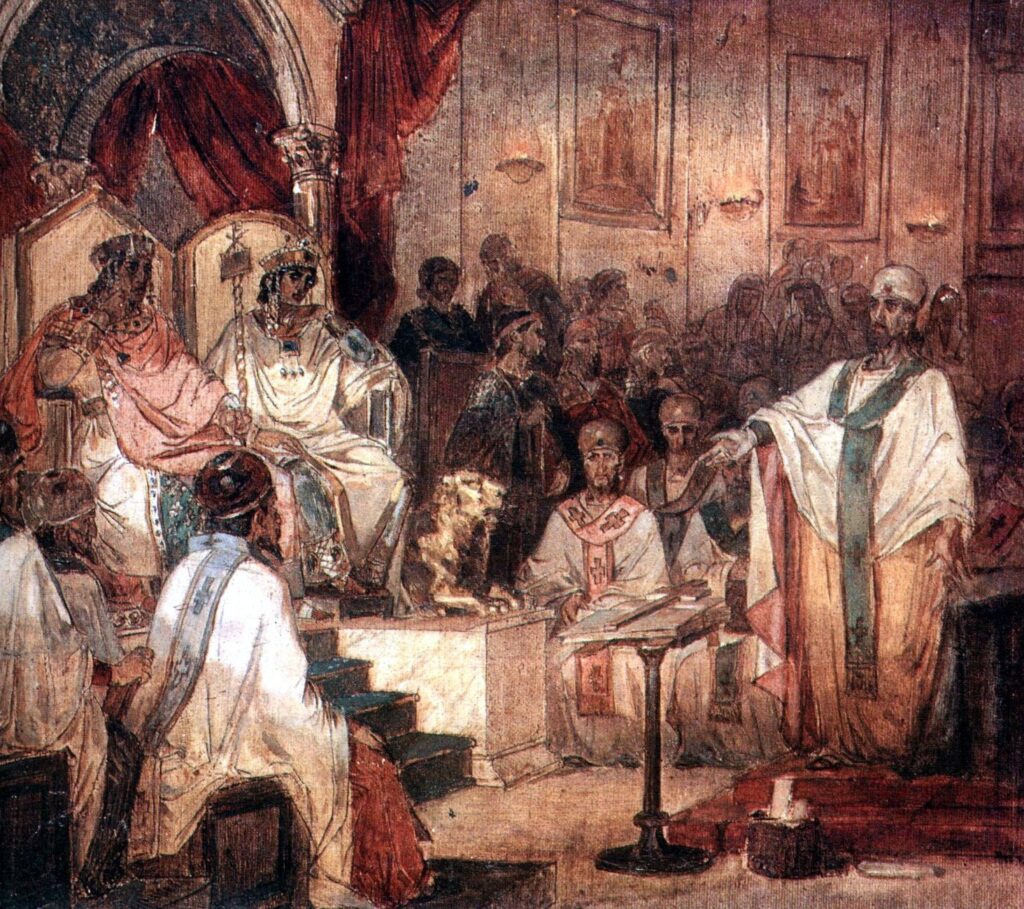
The biggest of the seven. Emperor Marcian called about 520 bishops to solve a dispute that broke out after Ephesus. A monk called Eutyches taught that after the incarnation Christ had only one nature, the divine, and that his human nature had been absorbed into it. Pope Leo I sent a letter, known as the Tome of Leo, saying the opposite: Christ is one person in two natures, divine and human, “without confusion, without change, without division, without separation”.
The council accepted the Tome, and the Chalcedonian Definition has been the central statement about Christ for the Catholic, Orthodox and most Protestant churches ever since. The Oriental Orthodox churches, the Coptic, Armenian, Ethiopian and Syriac churches among them, did not accept it. That separation has lasted more than fifteen hundred years. By the way, Ephesus had hosted another council in 449, which Pope Leo called the “Robber Council”, the Latrocinium. Chalcedon cancelled its decisions and it is not counted among the seven.
Where it met: the Church of Saint Euphemia, just outside the city of Chalcedon on the Asian side of the Bosphorus. Chalcedon is the Kadıköy district of Istanbul today, about four or five kilometers across the water from Sultanahmet, and a short ferry ride from Eminönü or Karaköy.
Nothing of the 451 church survives. The Greek Orthodox Church of St. Euphemia in Kadıköy today was built in 1694, and the relics of Saint Euphemia herself are kept in the Patriarchal Church of St. George in Fener. Most visitors take the Kadıköy ferry without knowing they are crossing to the site of one of great councils, and the view of the old city from the Kadıköy waterfront is one of the best in Istanbul.
5. Second Council of Constantinople, 553 AD (Istanbul)
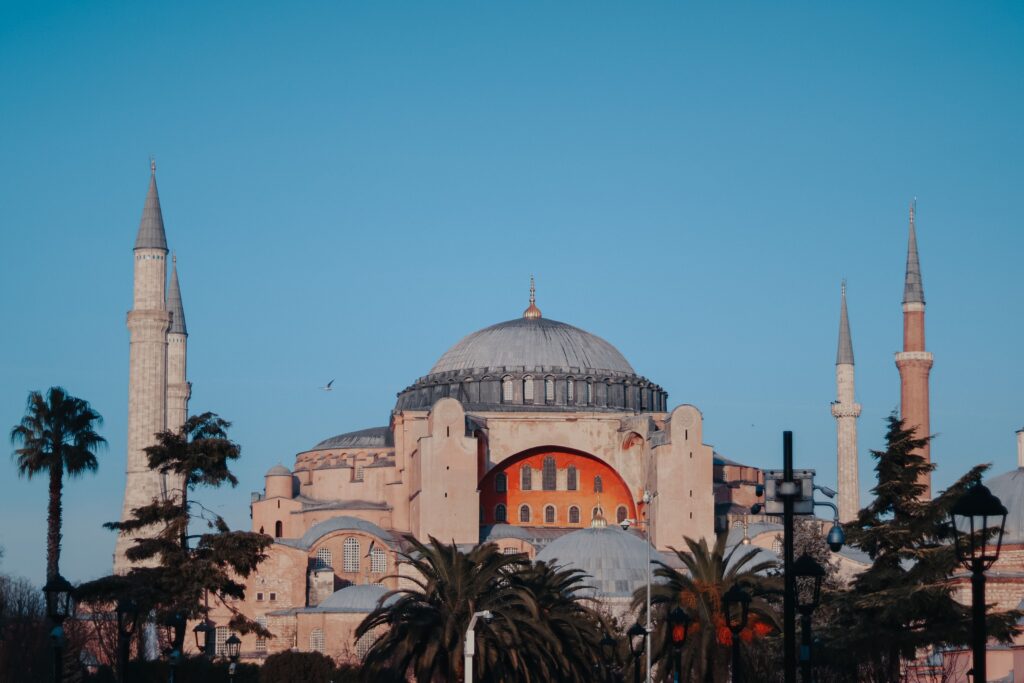
Emperor Justinian I called this council in the middle of his wars to win back the western Mediterranean, and only sixteen years after he finished Hagia Sophia. About 165 bishops came. The main subject was the “Three Chapters”, writings of three earlier theologians, Theodore of Mopsuestia, Theodoret of Cyrus and Ibas of Edessa, which the Miaphysite Christians found offensive. Justinian wanted them condemned to win those communities back to the imperial church.
The council is also remembered with the fight over Origen, the great 3rd-century theologian from Alexandria. His name is listed among the condemned heretics in the council’s eleventh anathema, although historians still discuss how much of that condemnation came from the council itself and how much from Justinian’s edict of 543.
Pope Vigilius was in Constantinople at the time, but he refused to attend. Later he was pressed to accept the decisions, and this episode added to the long tension between Rome and Constantinople. Where it met: in the secretarium, a large hall attached to Hagia Sophia, so the great church that still stands in Sultanahmet is the closest place you can visit to this council.
6. Third Council of Constantinople, 680–681 AD (Istanbul)
Emperor Constantine IV called this council to end the dispute over Monothelitism, the idea that Christ had two natures but only one will. It had been promoted in the 7th century as a compromise to bring the Miaphysite churches back, but it only created a new quarrel. The council condemned it and declared that Christ has two wills, divine and human, in line with his two natures.
It opened in November 680 with only few dozen bishops, and about 150 signed at the last session in September 681. The council also condemned Pope Honorius I for supporting the one-will teaching, and Pope Leo II confirmed the decision.
The great opponent of Monothelitism, the monk Maximus the Confessor, did not live to see this day. Under Emperor Constans II his tongue and right hand were cut off, and he died in exile in Georgia in 662. Eighteen years later the council proved him right.
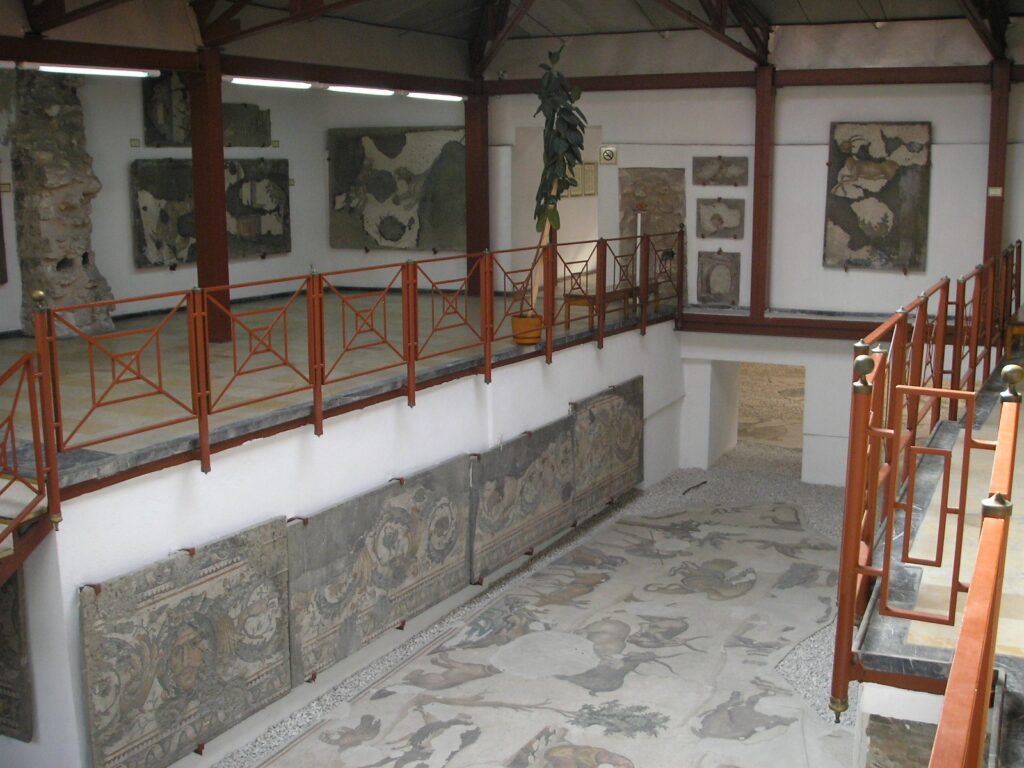
Where it met: the Trullos, a domed hall of the Great Palace of Constantinople. Only fragments of the palace survive today, mostly its floor mosaics in the Great Palace Mosaic Museum behind the Blue Mosque, which has been closed for restoration since 2023. In 692 another council met in the same hall to issue church canons. That one is the council usually called “in Trullo”, or the Quinisext Council, and the Orthodox Church counts its canons together with the fifth and sixth councils.
7. Second Council of Nicaea, 787 AD (İznik)
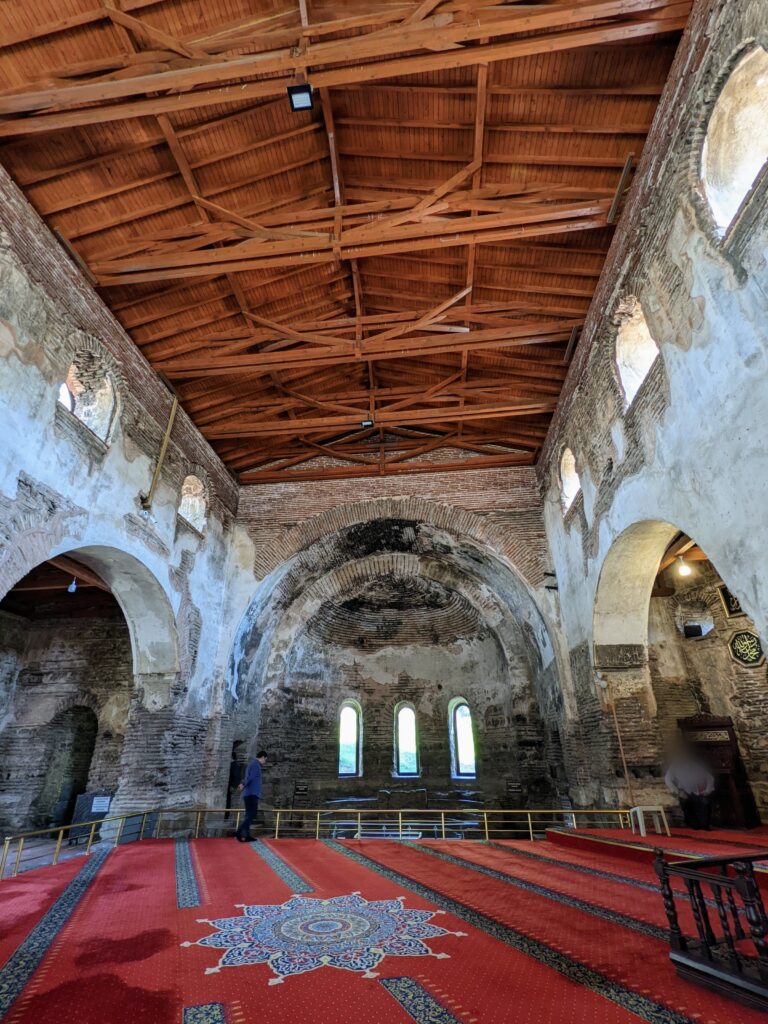
The seventh and last of the great councils met in the same city as the first one, 462 years later. Empress Irene, ruling for her young son Constantine VI, called it. A first attempt in 786, in the Church of the Holy Apostles in Constantinople, was broken up by iconoclast soldiers, so the next year the council moved to Nicaea. It opened on September 24, 787, and about 350 members attended.
The subject was Iconoclasm, the rejection and destruction of religious images, which had been imperial policy for about sixty years. Emperors who were seeing icons as idolatry had churches stripped, and icon painters and monks were persecuted. The council restored the veneration of icons and made a careful distinction that still shapes Eastern Christian art: latreia, worship, belongs to God alone, while the honor shown to icons and saints is veneration.
A second wave of iconoclasm came in the 9th century, but the council’s teaching won in the end in 843. The Orthodox Church still celebrates this as the “Triumph of Orthodoxy” on the first Sunday of Great Lent.
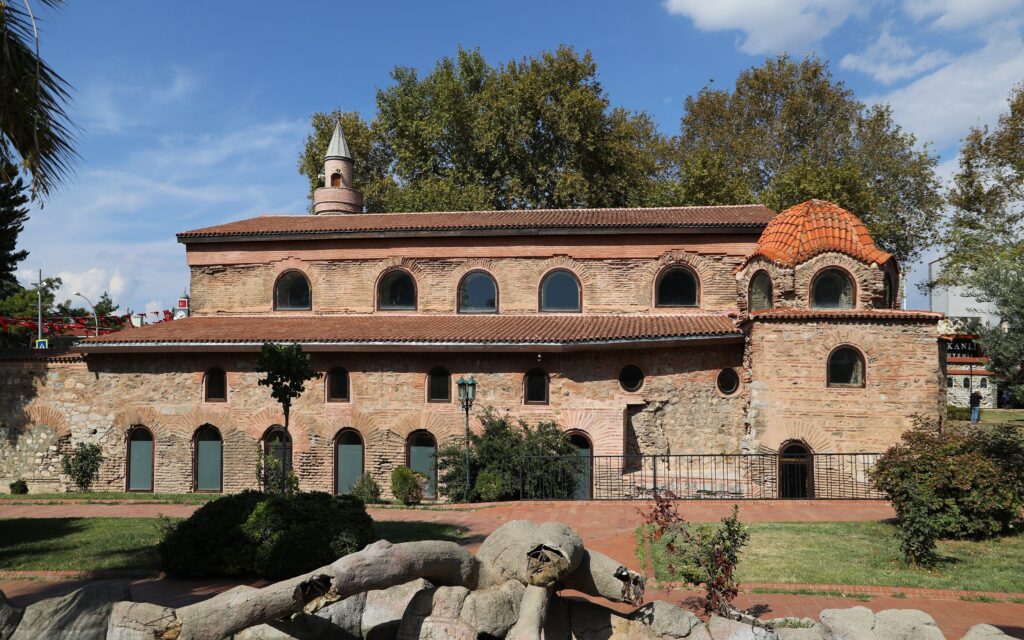
Where it met: the Hagia Sophia of Nicaea, in the middle of İznik. The building you see today was mostly rebuilt around 1065, after an earthquake destroyed the church the bishops used, but it stands on the same spot. It became the Orhan Mosque in 1331, a museum in 1935 and a mosque again in 2011, and visitors are welcome outside prayer times. Look for the pieces of floor mosaic nearby the entrance. Standing inside, you are in the place where the last of the seven great councils of Christianity met, and there are few places like it in the world.
Visiting the Council Sites in Turkey
The full divinity of Christ, the Trinity, Mary as Theotokos, the two natures and two wills of Christ and the honor of icons: all of these were settled in a few cities of my country. Two of them, the first and the last, met in the same small lakeside town 462 years apart. To see all the council sites you need three or four days, because İznik and Istanbul are in the north and Ephesus is in the Aegean coast. İznik is about two to three hours by road from Istanbul, so it makes an easy day trip. Hagia Irene, Hagia Sophia and Kadıköy fit into one day in Istanbul, and Ephesus is less than an hour from İzmir airport.
Frequently Asked Questions
What are the 7 ecumenical councils in order?
Nicaea I (325), Constantinople I (381), Ephesus (431), Chalcedon (451), Constantinople II (553), Constantinople III (680–681) and Nicaea II (787). All seven met in cities that are in modern Turkey, and all seven are accepted by both the Catholic and the Orthodox churches.
Where was the Council of Nicaea held?
The First Council of Nicaea met in 325 in the great hall of the imperial palace at Nicaea, which is the town of İznik in northwest Turkey today, near Bursa. Nothing of that palace survives. The Second Council of Nicaea met in 787 in the Hagia Sophia of Nicaea, and its successor building still stands in the center of İznik.
Did the Council of Nicaea decide which books are in the Bible?
No, this is a popular myth. The Council of Nicaea dealt with Arius, the Creed, the date of Easter and church discipline, and its canons say nothing about which books belong in the Bible. The list of New Testament books took shape over several centuries and through later regional synods, not at Nicaea.
Which churches accept the seven ecumenical councils?
The Catholic and Eastern Orthodox churches accept all seven. The Oriental Orthodox churches, such as the Coptic and Armenian churches, accept the first three, and the Assyrian Church of the East accepts the first two. Many Protestant churches accept the creeds and teachings of the first four councils, although they do not give the councils the same authority.
Hire Biblical Tour Guide in Turkey
If you would like to visit the council sites with a licensed guide, you can write to me. You can see my guiding rates and guiding areas, or reach me through my contact page. For the Istanbul part, my list of the top 12 Christian sites in Istanbul will help, and my guide to Christian Turkey for first-time visitors covers the rest of the journey.
Every one of these councils left its mark on what Christians believe today, and standing in the places where they met is a very different feeling from reading about them in a book. I hope we will visit some of them together. See you soon, Hasan Gülday.