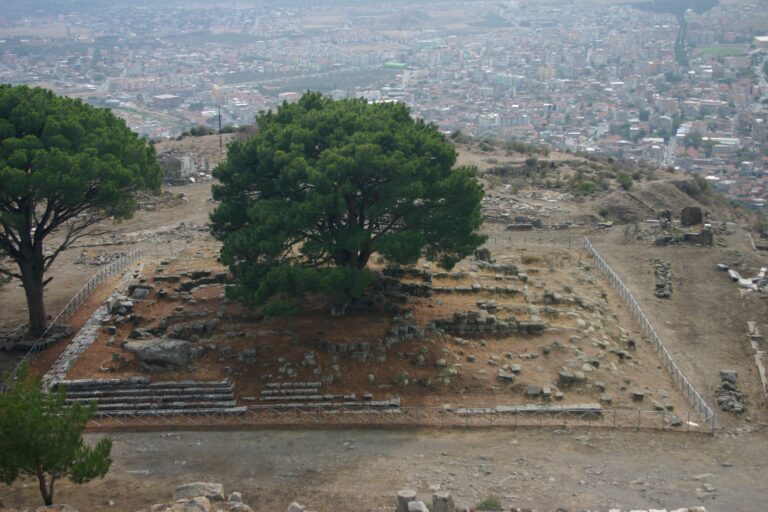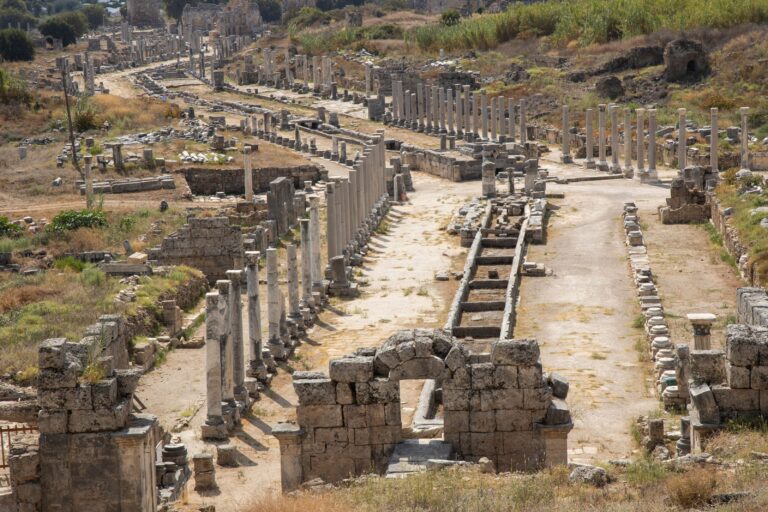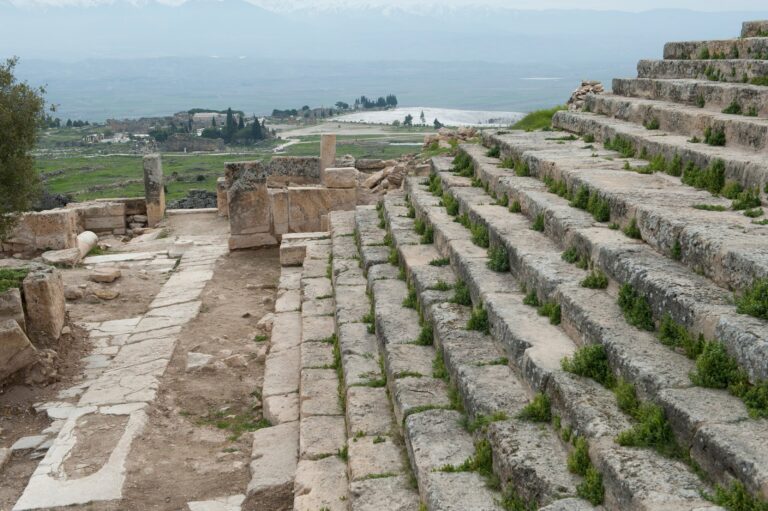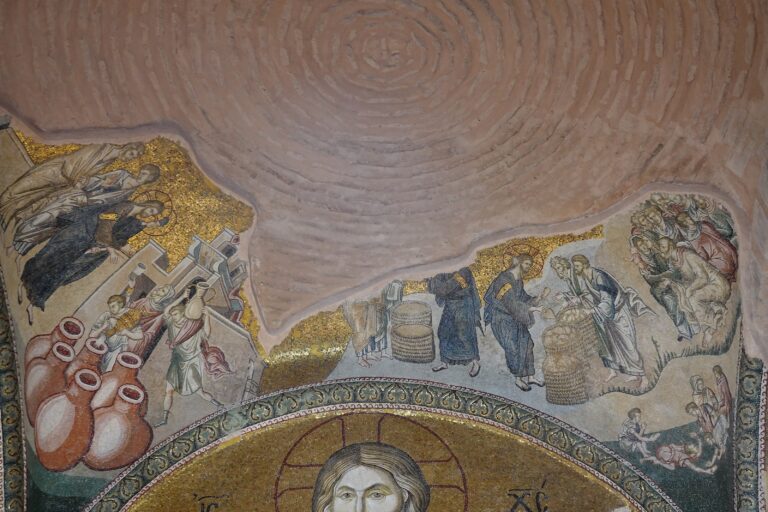
Turkey is full of voices from the Roman world, and one of the clearest belongs to a governor who loved writing letters. Pliny the Younger (61 to about 113 AD) was a Roman lawyer, senator and author. Around 110 AD, Emperor Trajan sent him to govern Bithynia and Pontus, a province in today’s northern Turkey. His letter about the Christians there is the earliest detailed account of Christian worship written by a non-Christian.
Add Tours Around Turkey as a preferred source on Google
As a guide who loves the early Christian story of this land, I find Pliny fascinating. Most of my pilgrim guests know that story from the inside, through Apostle Paul, Saint John and the Gospels. Pliny lets us see it from the outside, through the eyes of a puzzled Roman official who did not know what to do with these stubborn new believers.
Let’s have a look at his life, his famous letters and the places in Turkey he wrote about.
Life of Pliny the Younger
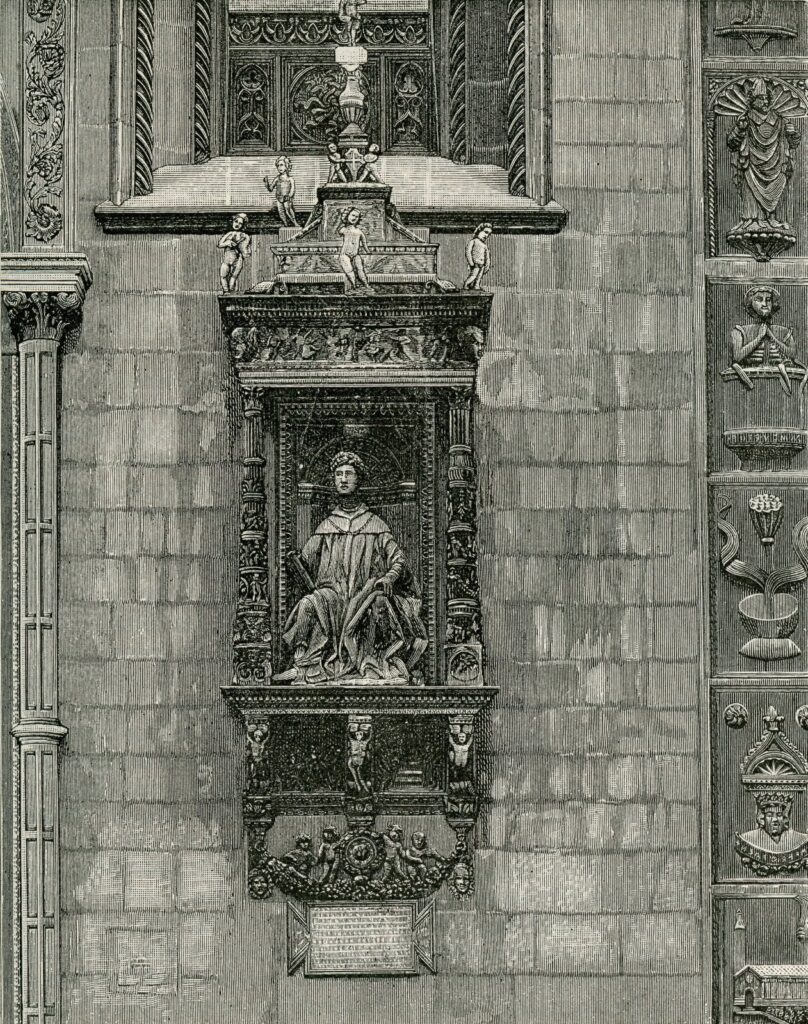
His full name was Gaius Plinius Caecilius Secundus. He was born around 61 AD in Comum, today’s Como in northern Italy. His father died young, and his mother’s brother, Pliny the Elder, helped to raise him. In Rome he studied rhetoric with Quintilian, most famous teacher of his time.
Pliny became a successful lawyer and a senator. In 100 AD, under Emperor Trajan, he served as consul, the highest office a Roman senator could reach. However, what keeps his name alive after nineteen centuries is his writing. He left us ten books of letters. The first nine are letters to his friends, and the tenth holds his official letters to Trajan together with the emperor’s replies.
These letters are one of the best windows we have into daily life at the top of the Roman world. They tell us about trials, dinner parties, country villas and the problems of running a province. Two of them also made him famous for something very different, too.
Pliny the Elder vs Pliny the Younger
Here is something I always have to clear up, because the two men are so easily confused. Even experienced travelers mix them up. There were two famous Plinys, an uncle and his nephew, and both of them have a connection to Turkey.
Pliny the Elder was the uncle. He was a tireless scholar and the commander of Roman fleet at Misenum, near Naples. He wrote the Natural History, an encyclopedia of the ancient world in 37 books. Among many other things, it is one of the main ancient sources for the Temple of Artemis at Ephesus, one of the Seven Wonders of the Ancient World.
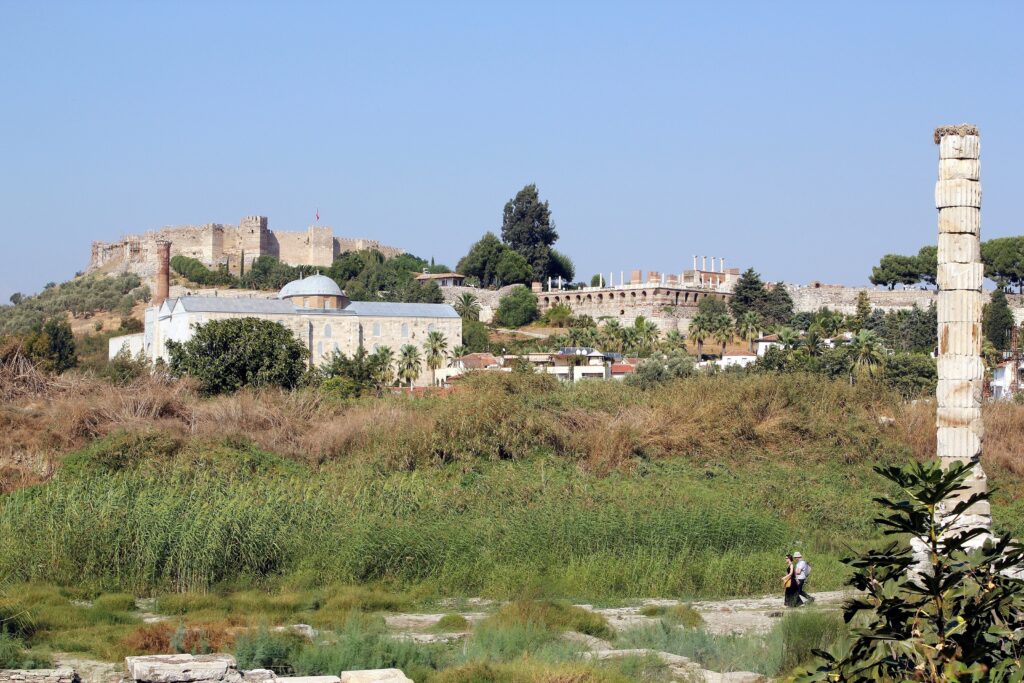
The Elder died in 79 AD during the eruption of Mount Vesuvius. He sailed toward the danger to help the people trapped in the coast. If you have read my article about the Temple of Artemis in Ephesus, you have already met him.
Pliny the Younger was his nephew and, through his uncle’s will, his adopted son. He is the letter writer and governor of this article. So the Elder gave us the encyclopedia and the description of the Temple of Artemis, and the Younger gave us the letters and the first Roman description of the Christians. Two men, one name and two very different legacies.
Pliny the Younger and the Eruption of Vesuvius
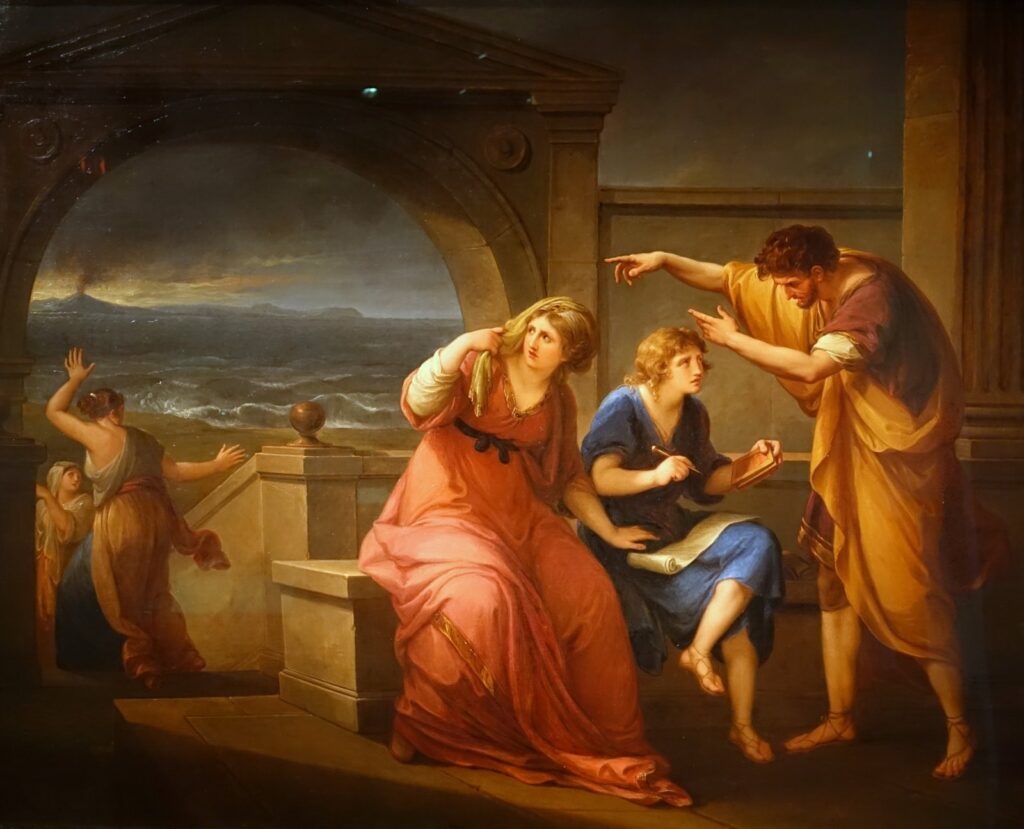
Pliny the Younger has one more claim to fame. In 79 AD he was 17 years old and was staying with his uncle and his mother at Misenum, across the Bay of Naples from Vesuvius. On the day the volcano erupted and buried Pompeii and Herculaneum, he stayed home to study while his uncle sailed off.
About 25 years later, his friend the historian Tacitus asked him what had happened, and Pliny answered in two letters (6.16 and 6.20). He described the giant cloud shaped like an umbrella pine, the falling ash, the panic of the people and his uncle’s death. They are the only detailed eyewitness account of the disaster that survives.
His descriptions are so exact that volcanologists still call this type of eruption “Plinian.”
Pliny the Younger as Governor of Bithynia and Pontus
Now to the part that brings him to my country. Bithynia and Pontus was a Roman province along the Sea of Marmara and the Black Sea coast of northern Turkey. Its capital was Nicomedia, today’s İzmit. Cities of the province were spending public money badly, so around 110 AD Emperor Trajan sent Pliny there as his personal Governor to put things in order.
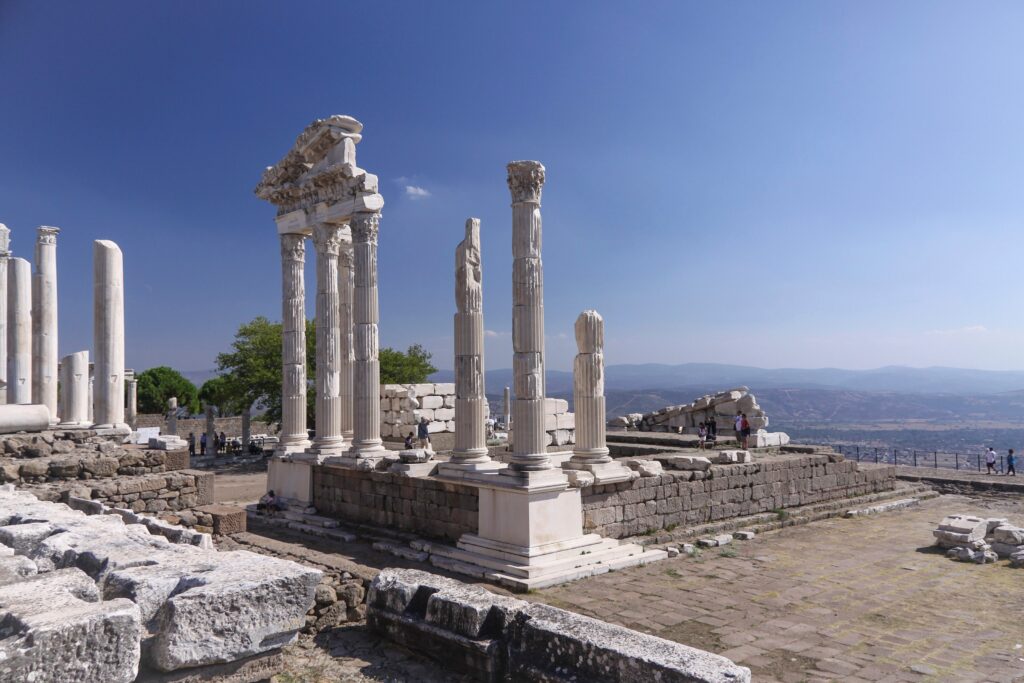
By the way, Pliny passed from our region on his way. In one letter he tells Trajan that he sailed around Cape Malea in Greece and reached Ephesus with all his staff. From Ephesus he traveled by land, caught a light fever in the summer heat and stopped at Pergamon. Then he continued on coastal ships and reached his province on 17 September, just in time to celebrate Trajan’s birthday there.
Pliny worked hard in his province. His letters from these years read like a real governor and a real emperor solving real problems together: unfinished buildings, city debts, aqueducts and whether a city could have a fire brigade. Then his letters suddenly stop, most historians think Pliny died in the province around 113 AD, because nothing in his letters can be dated later.
Places in Pliny’s Letters You Can Visit Today
This is my favorite part as guide. Many cities in Pliny’s letters are still living towns in Turkey, and some of the buildings he wrote about still stand. Here are the most interesting ones, with the number of the letter in his tenth book:
- Nicomedia (İzmit): a great fire burned many houses, a hall for the city’s elders and a temple of Isis, and the city did not have a single fire pump or bucket. Pliny asked for a fire brigade of 150 men. Trajan said no, because he feared it would turn into a political club (10.33 and 10.34).
- Nicaea (İznik): an unfinished theater had already cost more than ten million sesterces and was sinking and cracking, and the new gymnasium was badly built (10.39).
- Prusa (Bursa): the public bath was old and run down, so Pliny suggested to build a new one. Trajan agreed, as long as no new taxes were raised for it (10.23 and 10.24).
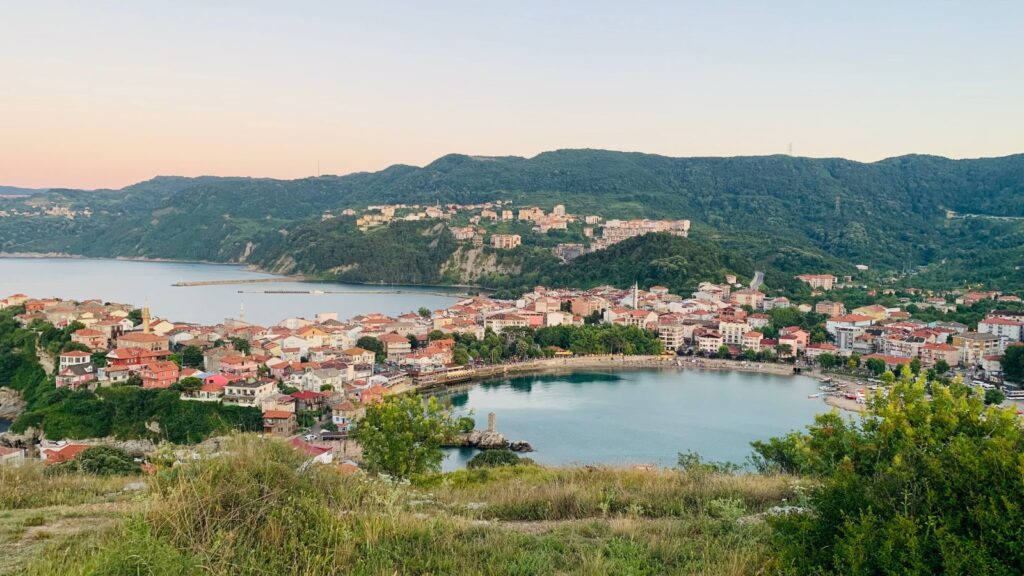
- Amastris (Amasra): a long and beautiful street had an open, stinking sewer running down one side, and Trajan allowed Pliny to cover it (10.98 and 10.99).
- Sinope (Sinop): the city was short of water, and Pliny surveyed the ground for an aqueduct from a source about sixteen miles away (10.90 and 10.91).
- Amisus (Samsun): a free city with its own laws, and Trajan allowed it to keep its collections for the poor (10.92 and 10.93).
The theater of Nicaea is the most favorite one for me. The Roman theater of İznik, which Turkish archaeologists have been excavating since 1980, is usually connected with this letter. Many Turkish sources even say that Pliny built it. However, his own words show that most of it was already built before he arrived. He was the governor who worried about it’s cracks.
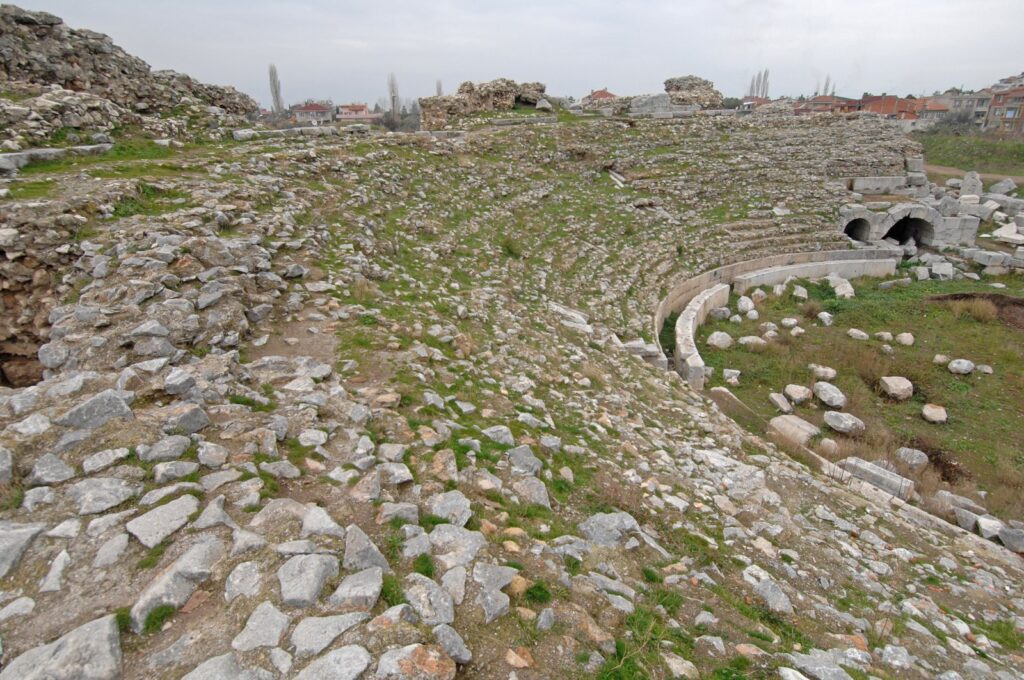
Nicaea is also the city where the first church council met in 325 AD, a little more than two hundred years after Pliny. In addition, Amasra is one of the prettiest harbor towns on our Black Sea coast. When you walk along its old streets, it is fun to remember a Roman governor who once worried about the smell of its sewer.
Pliny the Younger on Christians
Around 110 to 112 AD, in the middle of all this ordinary work, came the letter that made him famous among Christians: Pliny’s letter to Trajan about the Christians (Letter 10.96). People in his province were being accused of being Christians and he honestly did not know what the law required. He told the emperor that he had never been present in a trial of Christians. Some historians think he wrote it at Amisus, today’s Samsun.
So he did what a careful Roman magistrate did. He asked each accused person three times whether they were a Christian, and he warned them about the punishment. Those who kept saying yes, he ordered to be executed. The Roman citizens among them he sent to Rome. Whatever their belief was, he wrote, their stubbornness deserved to be punished.
Soon anonymous pamphlet appeared with many names on it. Pliny let go anyone who prayed to the gods with the words he dictated, offered incense and wine to the statue of the emperor and cursed Christ. He noted that real Christians could not be forced to do any of these things. Some of the accused said they had left the faith years before, a few of them as long as twenty years earlier.
What these former Christians told him is the real treasure. On a fixed day they met before dawn and sang a hymn to Christ “as to a god.” They bound themselves by an oath, not to commit a crime, but never to steal, rob or commit adultery, never to break their word and never to keep money left with them in trust. Later the same day they came together again to eat ordinary, harmless food.
To check this, he had two enslaved women, whom the Christians called deaconesses, tortured. He found nothing but what he called a “depraved and excessive superstition.” Then he asked Trajan his main questions. Should age make a difference? Should those who give up the faith be pardoned? And is the name “Christian” itself a crime, or only the crimes connected with it?
He also gave an important detail about numbers. Many people of every age, every class and both sexes were accused, and the new faith had spread from the cities into the villages and the countryside. The pagan temples had been almost deserted, and fodder for sacrificial animals had hardly found a buyer. Now, he wrote, the temples were busy again. You can read the full English text of the letter online.
Trajan’s Reply to Pliny
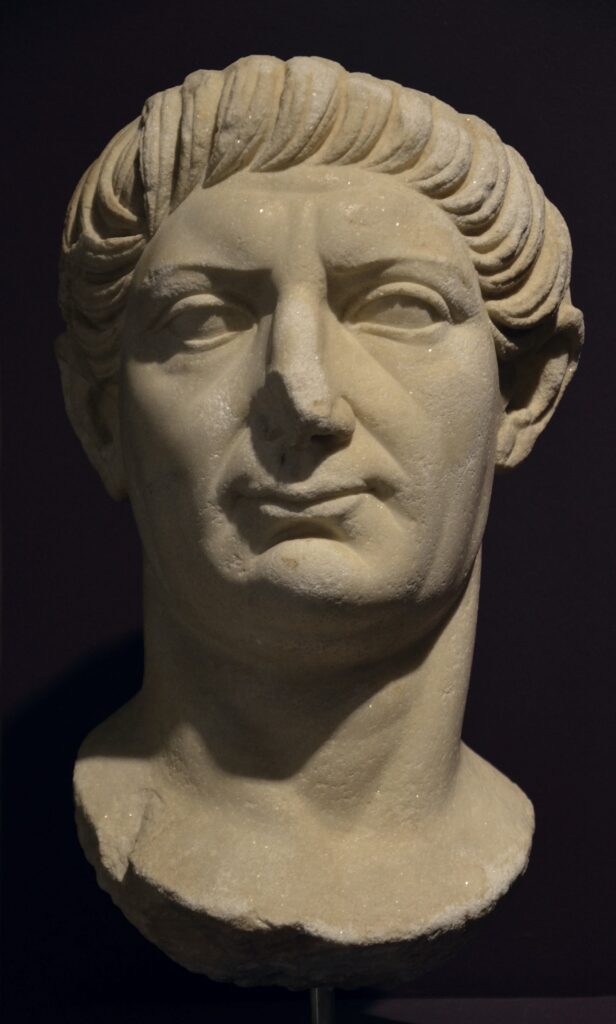
Trajan’s short answer survives too (Letter 10.97). He approved Pliny’s method and wrote that no fixed rule could be set for every case. Christians were not to be hunted down. If they were accused and found guilty, they were to be punished. However, anyone who denied being a Christian and proved it by praying to the Roman gods was to be pardoned, however suspicious his past.
Trajan added one more order. Anonymous accusations must not be accepted in any case, because they set the worst kind of example and did not belong to his age. It was a very restrained reply. His rules shaped the uneasy relationship between Rome and the Christians until the first empire-wide persecution under Emperor Decius, around 250 AD.
Why Pliny’s Letters Matter for Biblical Turkey
For anyone who loves the roots of Christianity, Pliny’s letter is gold. It is the earliest description of Christian worship by a Roman who was not a Christian, written a few years before the historians Tacitus and Suetonius mentioned the Christians. And it was written here, in Anatolia, within living memory of the apostles.
Think of the timing. Most scholars date the Book of Revelation, with its letters to the Seven Churches of Revelation, to around 95 AD, less than twenty years before Pliny’s letter. In the same reign of Trajan, Ignatius of Antioch was taken under guard across Asia Minor to die in Rome. Pliny shows us, from the outside, what it cost to follow Christ in this land.
The Bible knows this region too. In Acts 16:7, Apostle Paul and his companions tried to go into Bithynia, but the Spirit of Jesus did not let them. Later, the First Letter of Peter was addressed to the believers scattered in “Pontus, Galatia, Cappadocia, Asia and Bithynia” (1 Peter 1:1). By Pliny’s time, there were Christians in the cities and villages of this same province.
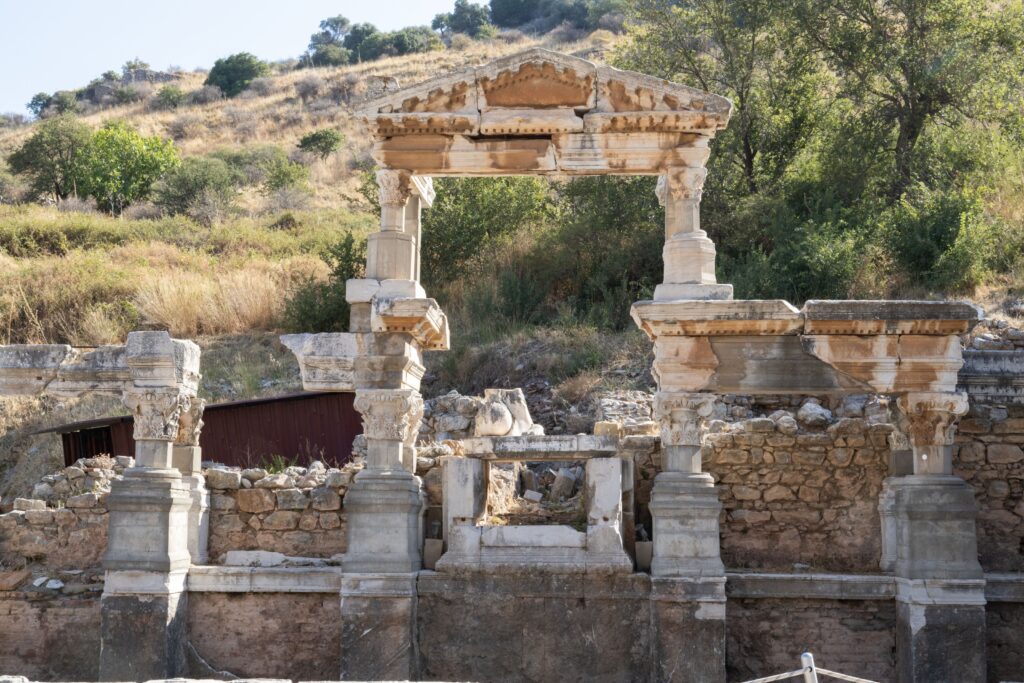
That is the thread I love to follow with my guests: the same Christian story told from every angle. In Ephesus Ancient City we walk past the Fountain of Trajan on Curetes Street, a monument to the same emperor who answered Pliny. I like to stop there and tell my guests about these two letters.
You can read the believers’ side of the story in my articles about the Council of Ephesus of 431 and the persecution of early Christians in Asia Minor. Pliny simply lets us hear the other half of the conversation, in a Roman governor’s own anxious words.
Frequently Asked Questions
Who was Pliny the Younger?
Pliny the Younger (61 to about 113 AD) was a Roman lawyer, senator and author from Como in Italy. He is famous for his ten books of letters, for his eyewitness account of the eruption of Vesuvius in 79 AD and for governing Bithynia and Pontus in northern Turkey, where he wrote to Emperor Trajan about the Christians.
What is the difference between Pliny the Elder and Pliny the Younger?
Pliny the Elder was the uncle. He wrote the Natural History and died during the eruption of Vesuvius in 79 AD. Pliny the Younger was his nephew and adopted son, the letter writer who described that eruption and who later, as a governor in Turkey, wrote the first Roman account of the Christians.
Does Pliny the Younger mention Jesus?
Not by the name Jesus. In his letter to Trajan (10.96), Pliny writes that the Christians sang a hymn to Christ “as to a god” and that the people he released had to curse Christ. He gives no details about the life of Jesus, but his letter shows that Christ was worshipped as divine in northern Turkey by about 110 AD.
When did Pliny write his letter to Trajan about the Christians?
Around 110 to 112 AD, while he was governor of Bithynia and Pontus. The exact year is debated, because historians date his arrival in the province between 109 and 111 AD. It is Letter 96 in the tenth book of his letters, and Trajan’s reply is Letter 97.
Hire Biblical Tour Guide in Turkey
I’m a nationally licensed Turkish tour guide based in Kuşadası, nearby Ephesus. My day guiding is in Ephesus, İzmir and Pamukkale, where the story of the early Christians and the Seven Churches is all around us. My license is valid all over Turkey, so for İznik, Bursa or the Black Sea coast I can join you as your personal guide on a longer, multi-day journey.
You can see my guiding rates and guiding areas, read my guide to Christian Turkey for first-time visitors or write to me through my contact page.
Pliny the Younger reminds us that the history of this land is full of extraordinary voices, Roman and Christian, pagan and pilgrim. I hope we will listen to some of them together, among the ruins where it all happened. You can always write to me with your questions about Pliny, Bithynia or the early Christians of Turkey. See you soon, Hasan Gülday.